The Government of Georgia has suppressed its critics through new laws passed to control public discourse. A prominent example of this is the case of Zurab Chitaia, a business owner who was heavily fined for a critical post on Facebook.
New Laws and Their Consequences
Chitaia was presented to a judge in Tbilisi on September 7 and was fined 3,000 Lari (about 1,100 dollars) for his post, which included explicit criticisms of opposition parties. This comes as authorities initiated investigations against him without any complaints, indicating the government's willingness to control any form of criticism. By amending the Soviet Administrative Offenses Code, the Government of Georgia has gained legal authority to fine insulting statements and vulgar language against political officials and civil servants.
Read more: Controlling Family Access to the Virtual Space is Essential
Expansion of Freedom of Expression Suppression
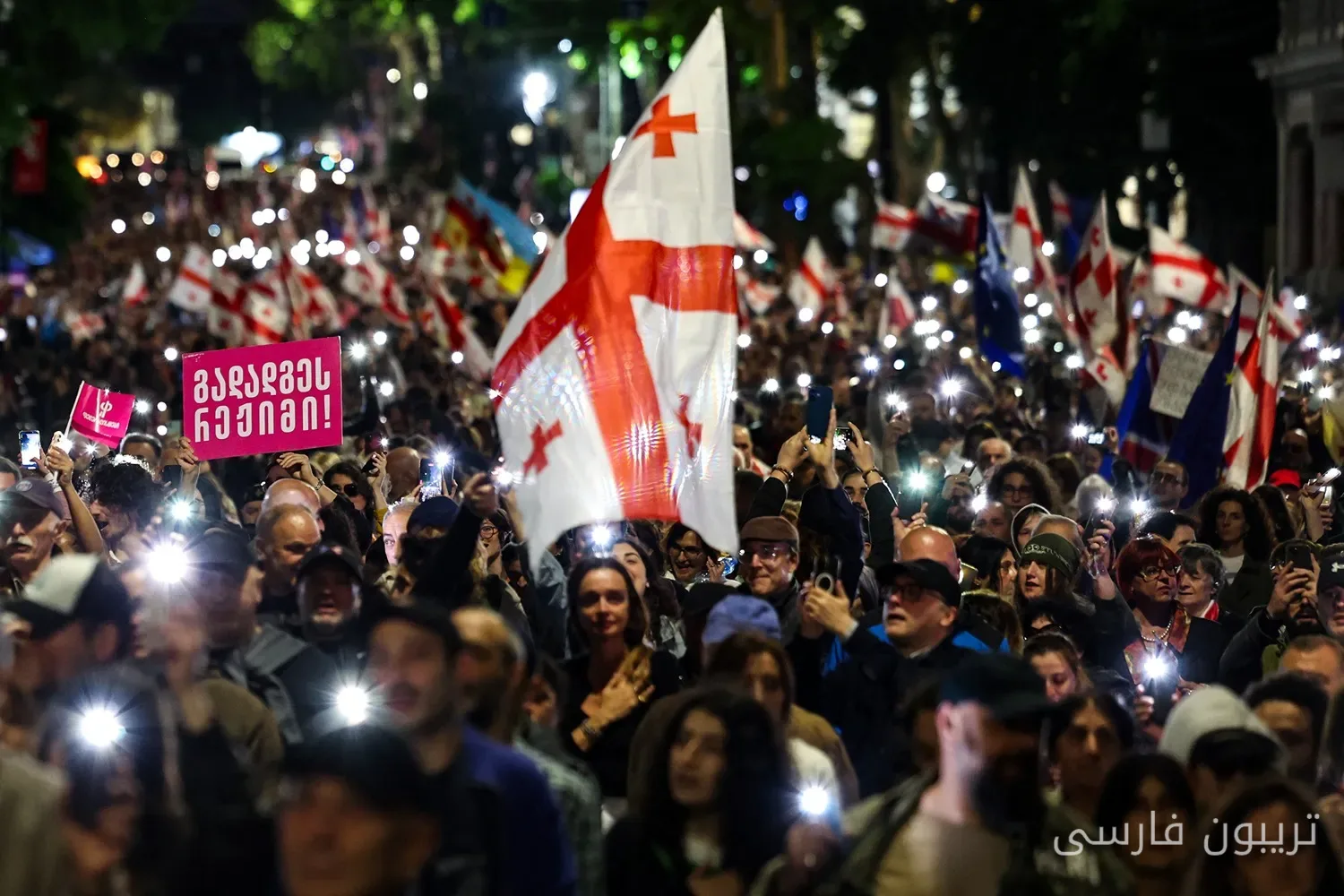
This campaign to suppress freedom of expression in Georgia is part of a larger democratic crisis in the country. Following the controversial parliamentary elections in October 2024 and the suspension of EU accession negotiations, widespread protests have emerged on the streets. In this context, activists, journalists, and politicians face the risk of arrest and fines. Authorities also refer to this suppression as a moral campaign to cleanse the political space.
These efforts have ultimately led to the establishment of an autocratic government that seeks to maintain a democratic facade. Lack of transparency in judicial processes and disregard for legal principles enable officials to easily pressure critics. In another example, Tamar Charkhalishvili, one of the leaders of the Federalist Party, faced a court summons for an unintended insult by a citizen, highlighting the irrational aspects of the new laws.
Ultimately, recent developments in Georgia could be a warning sign for democracy in the country. The suppression of freedom of expression and the government's efforts to control public discourse not only pose a threat to human rights but could also lead to increased public dissatisfaction and heightened social tensions.
Read more: The Necessity of Regulating the Virtual Space with a Jurisprudential and Ethical Perspective · Converting Women's Prisons to Men's: An Inadequate Solution to the Prison Capacity Crisis