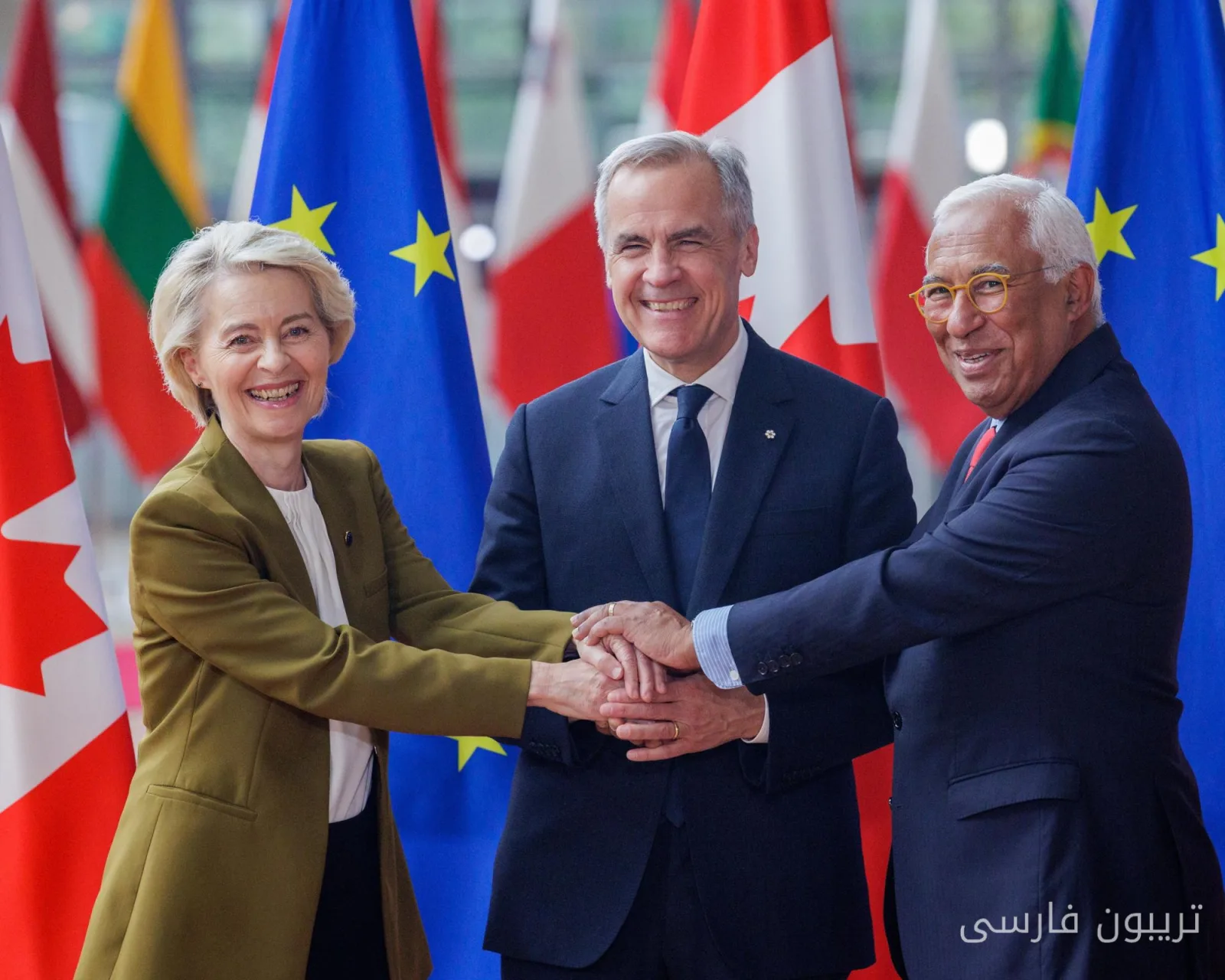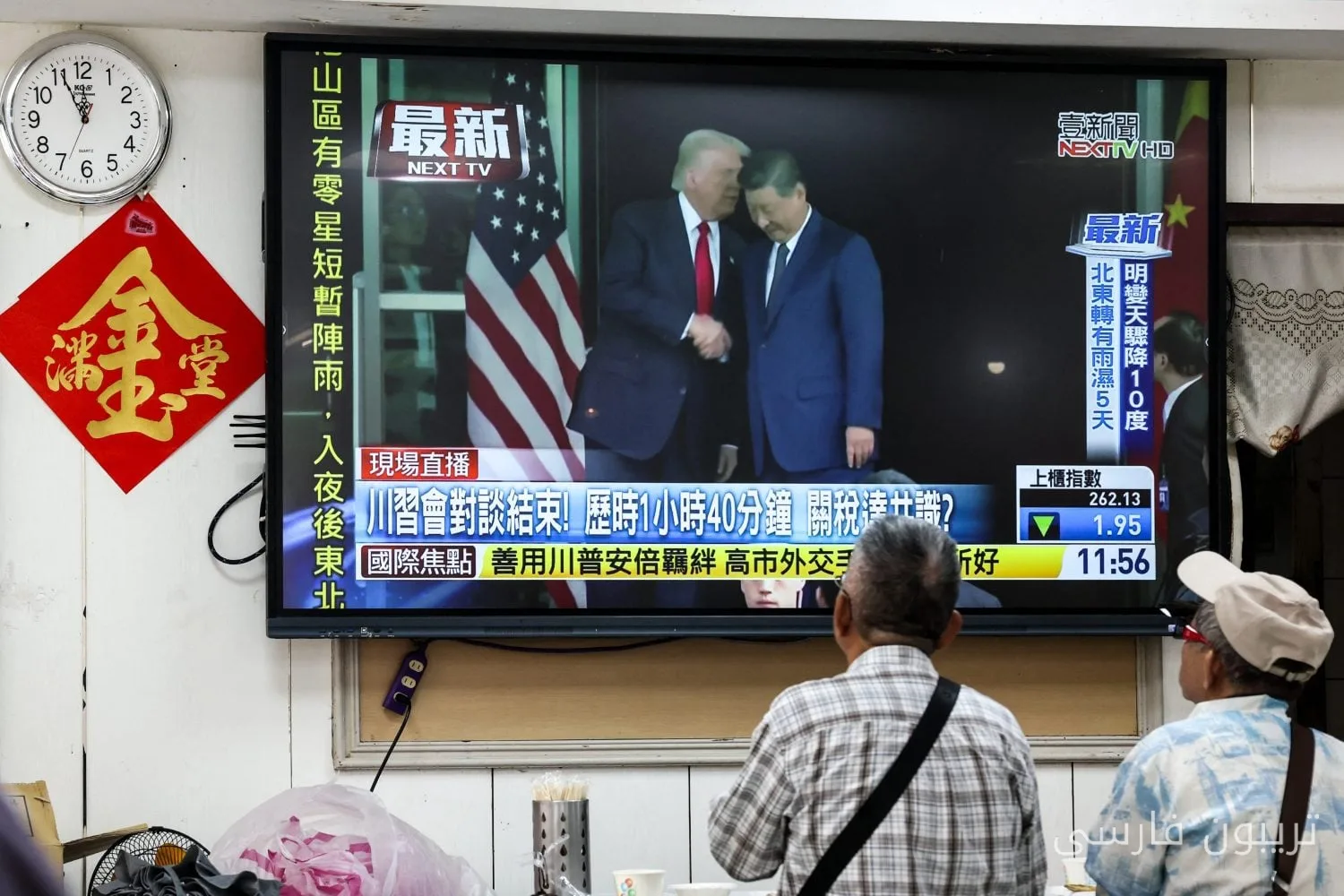
The current era is witnessing significant changes in the approach of great powers towards their rivals. These changes are described as 'strategic exclusion,' referring to policies aimed at reducing global rivals' access to key resources and infrastructures. In this context, military and economic interventions are employed as primary tools to create barriers and limitations.
Notable Examples of Strategic Exclusion
One of the most evident examples is Russia's military invasion of Ukraine. This action was taken not only to prevent further integration of Ukraine with the West but also to limit Western influence in the country. Following this event, the United States is also attempting to restrict China's access to advanced semiconductors and is urging its allies to cooperate in this regard.
Read more: Worrying Changes in Television Comedies: Has Laughter Come to an End?
China, for its part, is trying to secure special positions in strategic infrastructures and economic relations through the 'Belt and Road' initiative. This initiative helps China gain more influence in economic and political arenas and deprives its rivals of access to these resources. Despite differences in goals and methods, these approaches reflect the growing tendency of great powers to limit the access and influence of their rivals.
Consequences of Strategic Exclusion
Strategic exclusion can have widespread implications for the global order. One of these implications is the increase in global tensions and rivalries. These rivalries may lead to military and economic conflicts that not only harm the countries involved but also negatively impact international relations and global trade.
Moreover, this approach can lead to the creation of new blocs and shifts in the global balance of power. As great powers seek to exclude their rivals, smaller countries may find themselves in vulnerable positions and unable to defend their interests. This situation could lead to increased regional and global instabilities.
Ultimately, strategic exclusion, as a new trend in global policies, requires deeper attention and analysis from researchers and international institutions. A precise understanding of this approach and its consequences can help shape more effective policies in addressing global challenges.
Read more: Marie Gadran, a Pioneering Lawyer and Role Model for Women's Rights, Left a Great Legacy · Mysterious Operations of China's Warrior Scientists Around Taiwan