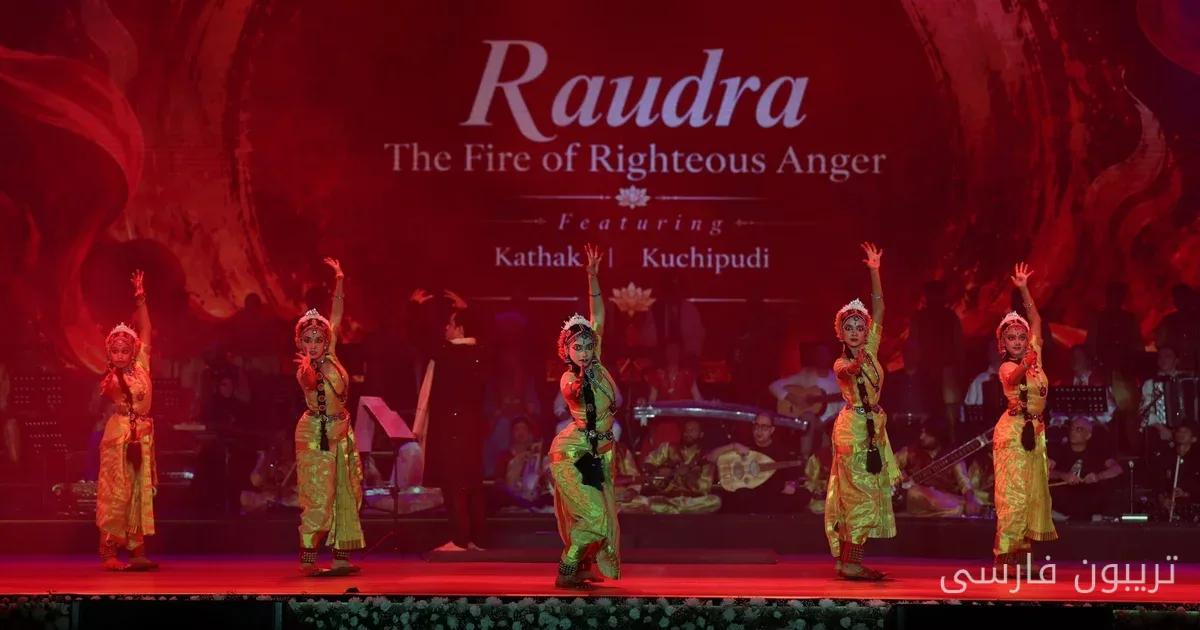
The BRICS Symphony held on September 12, 2026, in New Delhi, was a demonstration of this group's effort to redefine the global order. At this event, around 160 artists performed a program titled "BRICS Symphony - One Rhythm, Multiple Cultures," representing member countries and BRICS partners, embodying international cooperation.
Cultural Symbols and Cooperation Challenges
In this performance, instruments from various countries were employed, including the balalaika and bayan from Russia and the erhu and guzheng from China. This program not only presented an appealing image of international cooperation but also served as a symbol of the challenges of collaboration among countries with different political systems and strategic interests.
Read more: A Dangerous Outlook for Politicians: Increasing Harassment and Threats in Britain
BRICS, as an entity, faces complex challenges. This group includes independent countries that can hardly find a shared history or cultural tradition. However, the symphony, as a symbol of differences, shows how these challenges can be overcome. Each instrument in the orchestra can act independently while contributing to the whole group.
History of the Symphony and Cultural Impacts
Interestingly, the modern orchestra itself is a product of European musical culture. This contradiction does not diminish the impact of the BRICS Symphony as cultural diplomacy. Rather, it demonstrates how cultural power can operate effectively and how old symbols can find new meanings in new hands.
The history of the orchestra is linked to royal courts and theaters, and hiring musicians has not merely been for entertainment. These ceremonies can showcase wealth and power. However, cultural symbols do not necessarily belong to the societies that created them. This trend is clearly observable in the history of Russian music in the 19th century.
In conclusion, the BRICS Symphony emerges not only as a cultural display but also as a symbol of political and cultural changes on an international level. This performance can have different meanings for different audiences and illustrates that cultural cooperation can exist alongside differences.
Read more: Mark Carney and the Effort for Associate Membership in the European Union · BRICS in New Delhi Exciting: Unity Amidst Differences