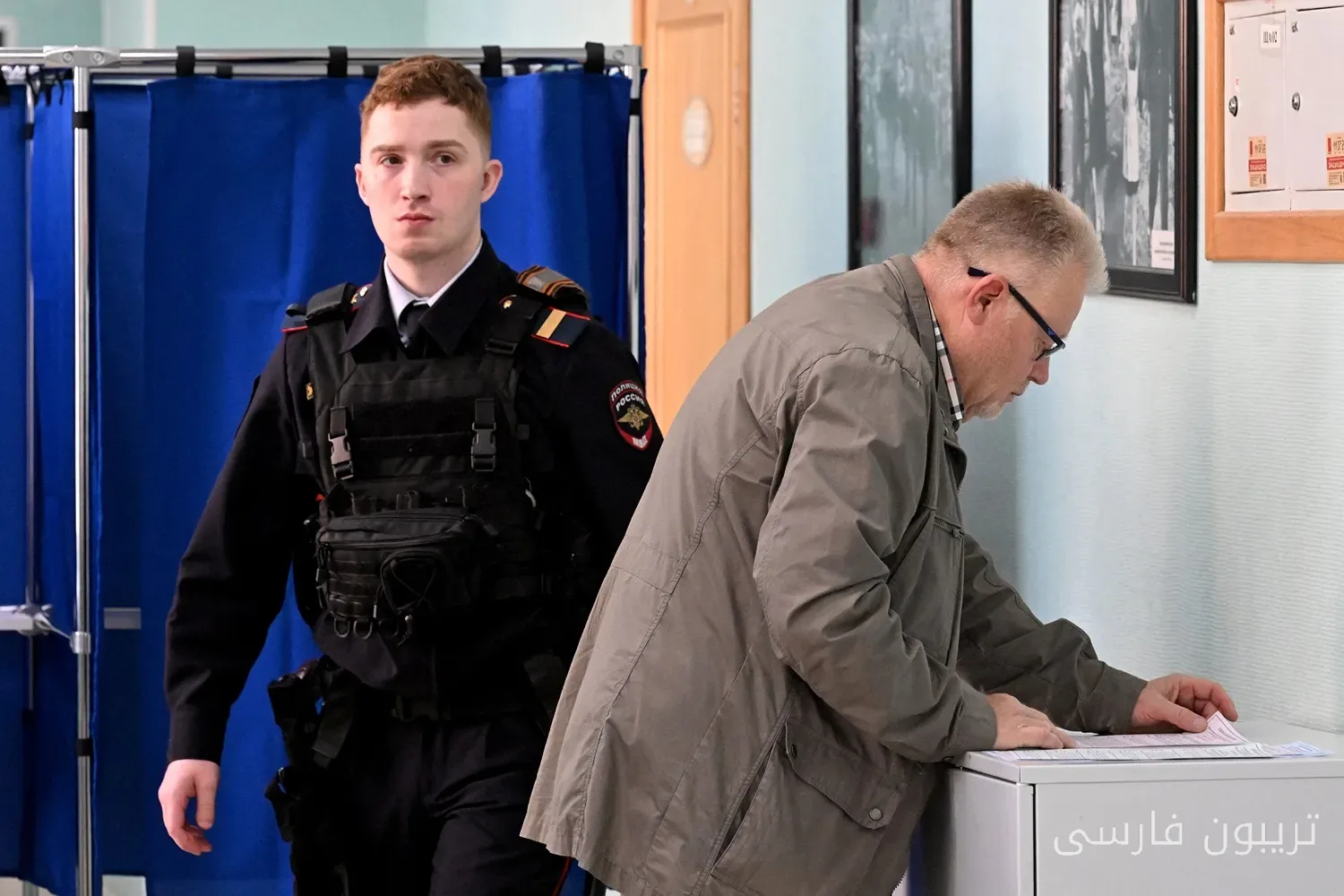
The Russian parliamentary elections, the first since the onset of the Ukraine war in February 2022, serve as a tool to affirm public loyalty to the war and Vladimir Putin's regime. In these elections, the "United Russia" party, closely associated with Putin, has garnered nearly 40 percent public support in polls. However, analysts believe that the actual results hold little significance for the Kremlin, and what matters is the appearance of holding a vote.
Lack of Real Democracy
According to Kremlin officials, these elections provide an opportunity for the Russian people to demonstrate their loyalty to the war efforts. Vladimir Putin stated in a nationwide address: "Your choice and determination will once again show that millions stand behind our fighters." However, the reality is that there is no genuine democratic choice in these elections. Independent opposition groups have been barred from candidacy, and no foreign observers have been invited to monitor the process. The only non-governmental election monitoring group was also shut down last year.
Read more: Saudi Arabia is trapped in the Houthi trap
Among the participating parties, only a few exist outside of "United Russia," all of which have received less than 14 percent of the votes. Even the candidates seem unconcerned about the results; six candidates from district 158 in Russia ignored two days of pre-election televised debates, and only one attended the event in Udmurtia.
Economic and Political Consequences
The Kremlin seeks to create an appearance of legitimacy through these elections. This is particularly important given that public opinion regarding the economic costs of the war has turned sharply negative. According to a survey by the Levada Center, one-third of Russians believe that unemployment will rise in the next 12 months. Fuel shortages in the country have exceeded 30 percent, and ongoing Ukrainian drone strikes on Russian warehouses have caused about $4.74 billion in losses to the country's e-commerce industry.
While Moscow attempts to project an image of a united society, Kyiv has seized the opportunity to strengthen its ties with seven Central and Eastern European countries. Ukrainian President Volodymyr Zelensky noted in a tweet that the "Carpathian Eight" has become one of Ukraine's strongest defense foundations.
Overall, the Russian parliamentary elections resemble more of a political spectacle than a genuine democratic process. These elections will not yield any results for the Russian people, but will serve as a tool to maintain the power of Putin's regime and justify the continuation of the war in Ukraine.
Read more: Trump's economic sanctions against Iran face challenges from China · Consequences of the Russian parliamentary elections in the shadow of the Ukraine war for Vladimir Putin