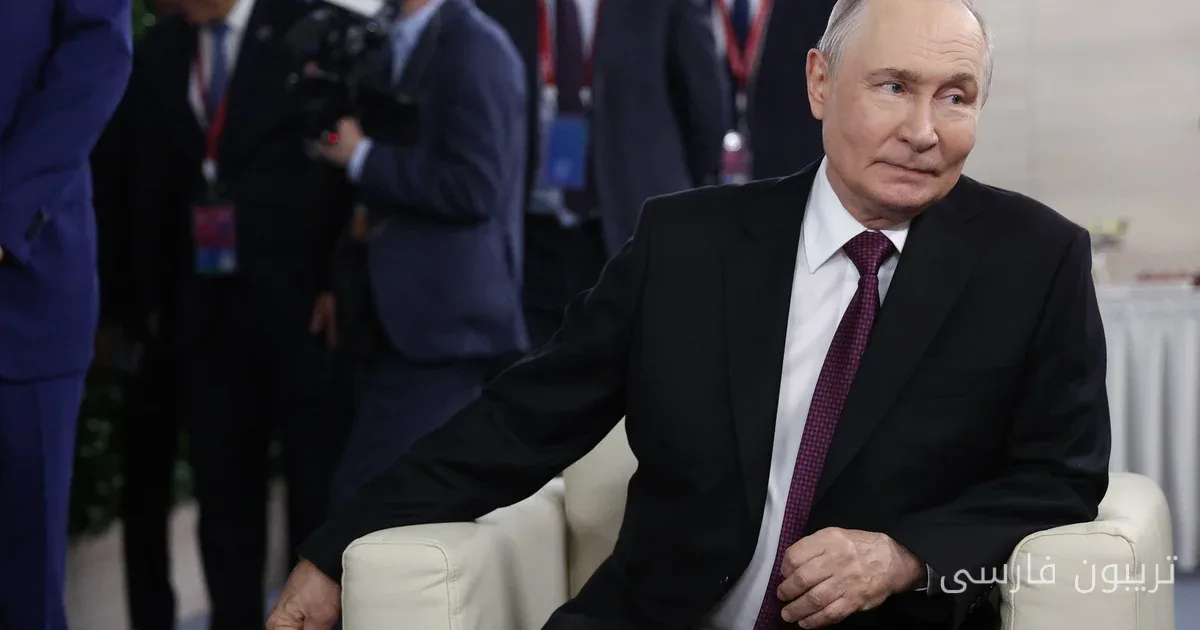
The Russian parliamentary elections will be held from September 18 to 20, 2026, while the country is under the influence of the consequences of the war in Ukraine. Vladimir Putin, the President of Russia, despite being satisfied with the state of government stability, is facing serious public discontent and economic challenges that could affect the results of this election.
Economic Challenges and Public Discontent
Putin had predicted at the last conference of the United Russia party that the upcoming elections would reflect the stability of the country. However, economic realities tell a different story. With rising inflation rates and declining living standards, the people of Russia are significantly affected by the war. In August, about 70 percent of gas stations in the country were out of fuel, and long lines for fuel had formed in Moscow. This situation is a result of Ukraine's long-range attacks on Russian oil facilities.
Read more: Trump's Pressure on America's Asian Allies to Help Iran
On the other hand, the amount of cash withdrawals from banks has significantly increased due to concerns about the potential use of savings to finance the war. Polls show that support for the war in Ukraine has decreased from 78 percent in July 2025 to 66 percent in July 2026. This is a sign of public fatigue from the war and dissatisfaction with the current situation.
Impacts on Election Results
The United Russia party, which currently holds about 70 percent of the Duma seats, seems to have lowered its expectations regarding the number of votes and public participation. According to some sources, Kremlin officials have even discussed delaying or canceling the elections. Polls indicate that this party is facing 46 percent of the votes, reflecting a decrease of 3.8 percent.
Meanwhile, the exclusion of the only anti-war opposition party, Yabloko, from the electoral competition indicates the Kremlin's fear of public discontent and the possibility of protest voting. Yulia Navalnaya, the wife of the slain opposition leader Alexei Navalny, has urged people to vote for any party except United Russia.
The current trend shows that if the election results are disproportionately positive, this could be perceived as a sign of government weakness. Many analysts believe that if public discontent increases, the Kremlin may reconsider its war and economic policies in the future.
Overall, the Russian parliamentary elections amid the Ukraine war and economic challenges could not only affect Putin's political future but also the social and economic status of the country. This election could be a turning point in changing people's attitudes towards current policies and potentially lead to a redefinition of Russia's domestic and foreign relations.
Read more: China and the Different Understanding of Artificial Intelligence Competition · The Impact of the Ukraine Energy War on Gas Prices: Who is the Main Culprit?