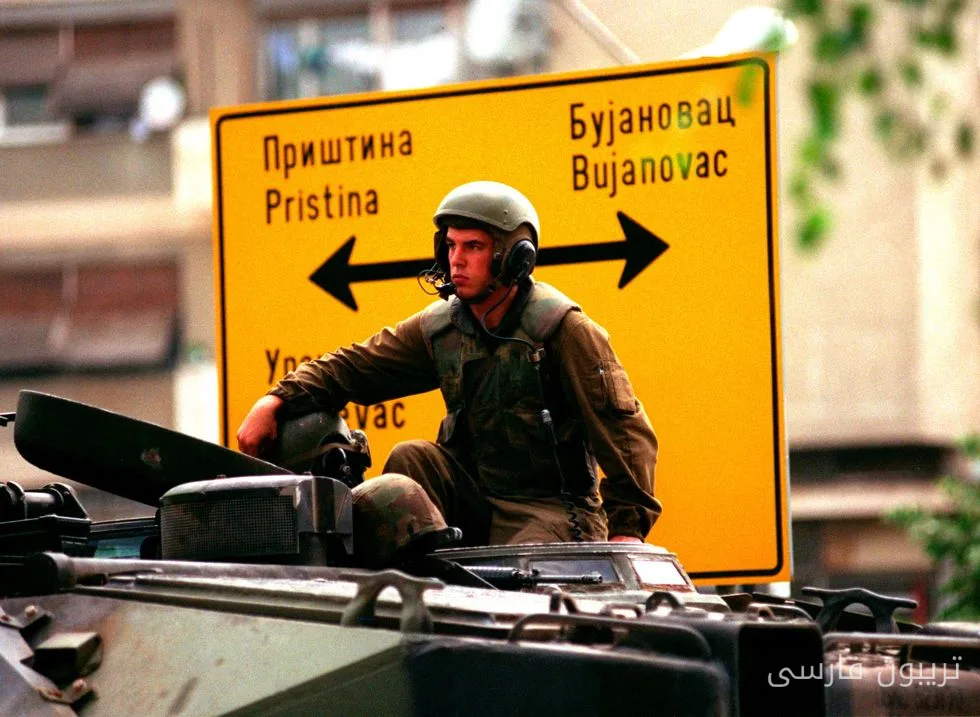
The gradual reduction of NATO forces in Kosovo, which is a result of recent developments in the country, has raised serious concerns about the future security of the region. Last summer, tensions in Kosovo escalated dramatically while NATO's peacekeeping mission is gradually decreasing.
History of Tensions and Reactions
In July, 37 Serbs were arrested at a memorial ceremony in Gazimestan, and a few days later, Kosovo police inspected worshippers at a monastery near Prizren. Additionally, in August, a government-owned tractor demolished 17 houses belonging to Serbs, claiming that these houses were illegal. These actions provoked international reactions, but the European Union remained silent in the face of these concerning actions.
NATO's Withdrawal and Its Consequences
In this context, the KFOR mission announced that it would gradually withdraw from the Mitrovica Bridge, a symbol of ethnic division in Kosovo. This decision has been attributed to improving the country's security situation, but Serbs protested this action, and Belgrade called it premature. After nearly three decades of international management, the question arises: what is NATO leaving behind?
Kosovo has been one of the largest state-building projects internationally, with over $2 billion spent in its first decade. However, history shows that in the years following NATO's intervention in 1999, the country has witnessed severe ethnic violence, and many Serbs have been driven from their homes.
In recent years, fully parallel institutions have emerged in northern Kosovo that resisted the new governmental structures. These institutions informally provided services to the local population, while on the other hand, the European Union attempted to dismantle these structures and move towards a single government in Kosovo.
Given the current conditions and the lack of a stable political agreement between Belgrade and Pristina, NATO's withdrawal may lead to an escalation of ethnic and security tensions in Kosovo. In fact, this decision will impact not only the situation of Serbs but the entire Balkan region.
Read more: Getting Rid of the Burden of Vegetables: The Experience of Riehenon Lucy Caslet · Have the Terrorists Won?