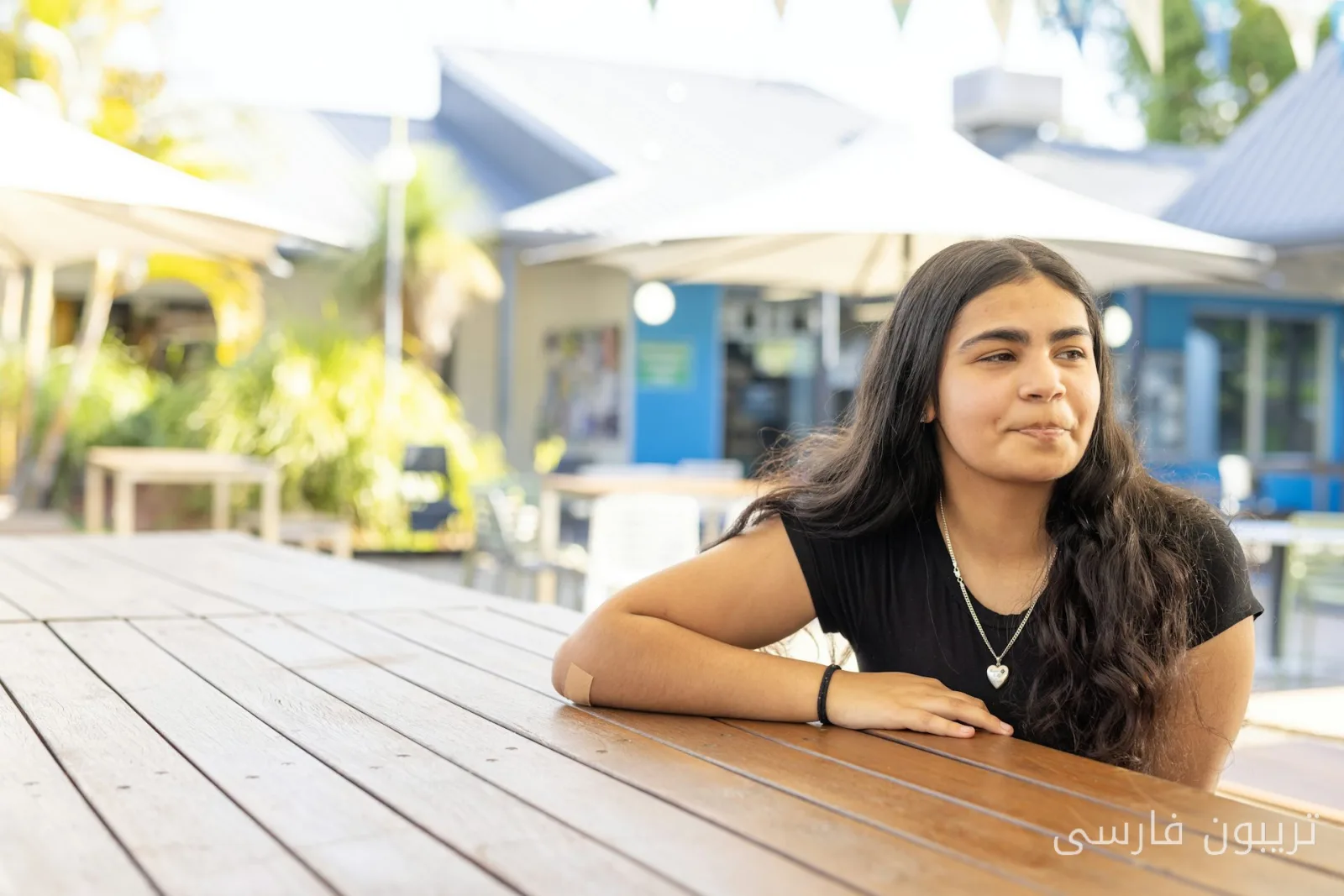
The international PISA test results, which assess the scientific, mathematical, and reading skills of 15-year-old students, indicate that Indigenous students in Australia are, on average, 72 points behind in science, 76 points behind in reading, and 74 points behind in mathematics compared to non-Indigenous students. While these numbers are accurate, they do not provide a complete picture of the educational status of Indigenous students.
Structural Inequalities and Overlooked Achievements
According to PISA data, the science scores of Indigenous students have increased by 16 points since 2022, while the scores of their non-Indigenous peers have remained unchanged. Additionally, the scores of Indigenous students in reading and mathematics have also remained stable, whereas the scores of non-Indigenous students have decreased. This data clearly indicates that educational inequalities are not solely related to the performance of Indigenous students, but that educational institutions also play a role in this regard.
Read more: Experience of Tropeophobia: Psychological Reactions to Hole Patterns
Challenges of the Education System and Indigenous Rights
Research shows that 80 percent of Indigenous students who participated in the PISA test come from the lowest two socio-economic strata. This reality clearly illustrates the vast differences in access to educational resources and facilities. Reports tend to emphasize the performance of Indigenous students rather than focusing on structural inequalities, which distorts reality and overlooks the problems of the education system.
A collection of 51 studies in 2022 revealed that the Australian education system is not well-prepared to provide education to Indigenous students. These inadequacies are evident in various areas such as teacher preparedness, curriculum readiness, and school culture. Additionally, in 2007, the United Nations General Assembly adopted the Declaration on the Rights of Indigenous Peoples, which explicitly refers to the right of Indigenous peoples to establish and control their own educational systems.
Ultimately, to improve the educational situation of Indigenous students, the Australian education system needs to pay attention to Indigenous rights and seek to create conditions where Indigenous students can be educated in their own languages and Indigenous knowledge is incorporated into the curriculum. This approach can serve as a rights-based framework to improve educational conditions and reduce inequalities.
Read more: Rapid Advances of Houthis in Yemen Pose a Serious Threat to Saudi Arabia · Ukrainian Children Terrified by Increasing Bombardments from Russia