Indonesia faced serious challenges in crisis management following the eruption of Mount Anak Krakatau on September 15. This eruption, which sent volcanic ash up to 15,000 meters high and was heard 700 kilometers away, led to the closure of 8 airports and disrupted thousands of flights, putting over 270,000 passengers in a critical situation.
Domestic and International Impacts
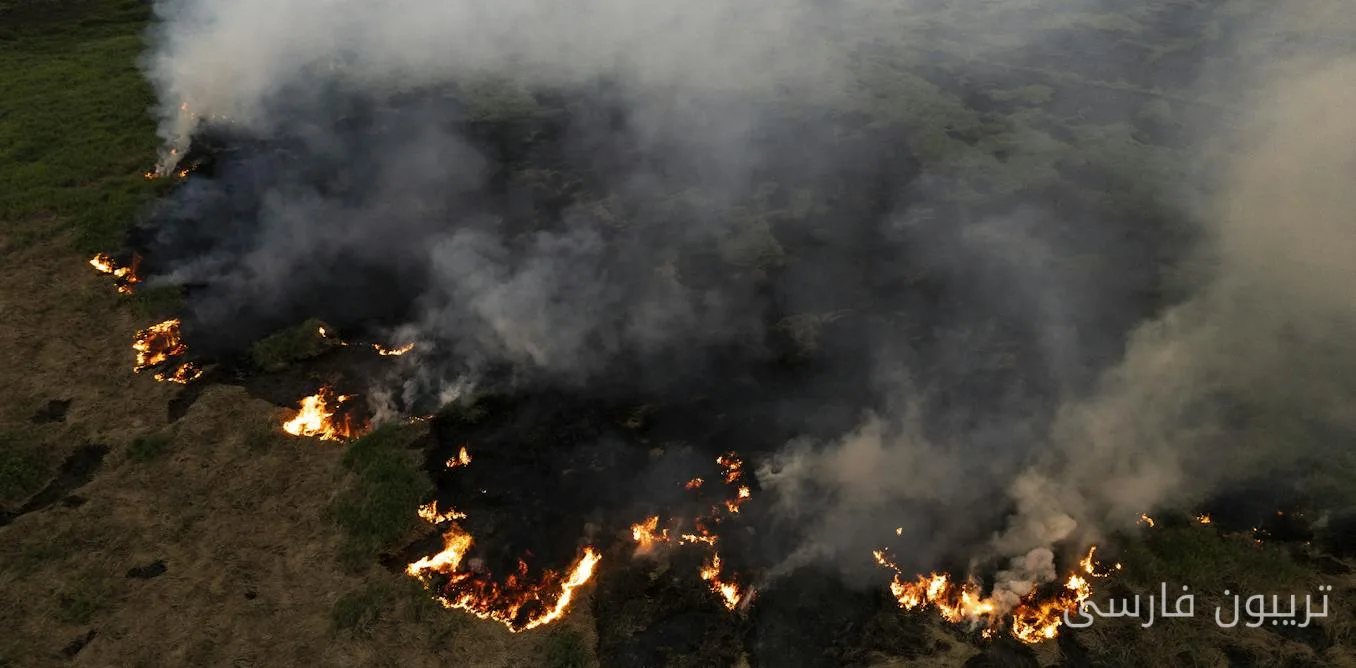
At the same time, smoke from forest fires in Indonesian Borneo infiltrated national borders and severely reduced air quality in Sarawak. This situation caused a 259% increase in asthma cases, and in Manila, pollution levels reached more than four times the World Health Organization's permissible limits. These instances highlight greater challenges for Indonesia: when a domestic crisis becomes an international concern, its impacts are not limited to physical damages and can affect diplomatic relations and regional trust.
Read more: The Appeal of Dark Personalities Among Right-Wing Party Members in Britain
Crisis Management and International Credibility
Indonesia's response and communication during these crises are important not only for crisis management but also for its global credibility. Volcanoes and forest fires, as two different types of crises, require different approaches to communication. In the case of the volcano, Indonesia does not need to explain its responsibility, but regarding forest fires, which are primarily caused by human activities and negligence of environmental laws, it must be held accountable.
In this regard, Indonesia must be able to demonstrate leadership in crisis communications in the region and respond to questions about its capability to manage risks that have consequences beyond its borders. This issue is particularly important within the framework of ASEAN, which emphasizes the significance of timely and accurate information sharing.
Ultimately, Indonesia must focus not only on physical and psychological information in its crisis communications but also on restoring its credibility. This could include enforcing environmental laws, investigating those responsible for the fires, and strengthening fire prevention measures. Otherwise, recurring crises could fuel negative perceptions about Indonesia and its neighbors involved in economic activities in the country.
Read more: India's Role in Betting on BRICS in Southeast Asia · Competition for the Position of UN Secretary-General and Upcoming Challenges