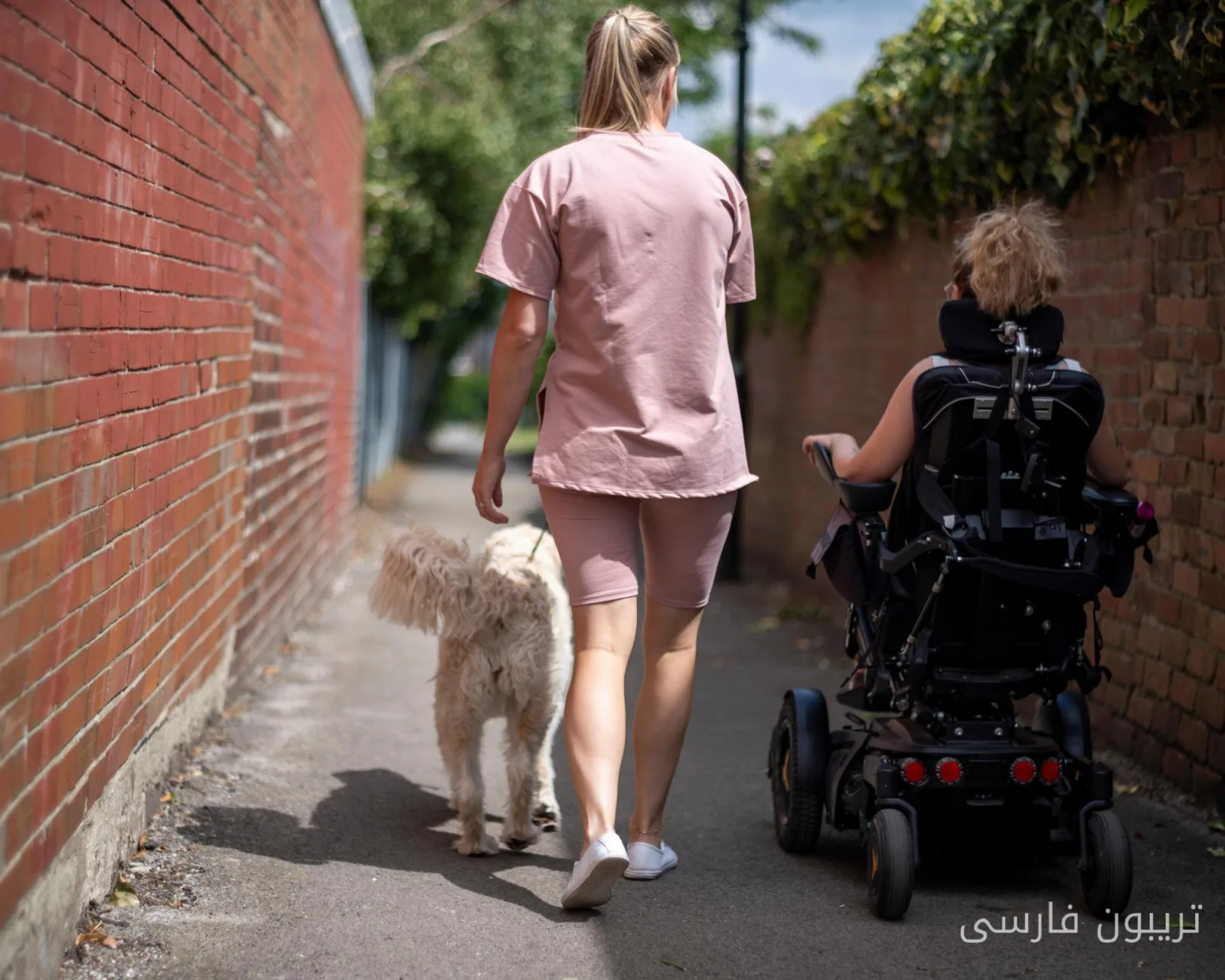
The travel ban for people with disabilities in the UK has become a serious crisis that highlights the deficiencies in the social services system and the patriarchal attitudes towards this segment of society. People with disabilities in the UK are increasingly facing restrictions that prevent them from traveling abroad. These restrictions are imposed while many of these individuals rely on social support due to their specific needs.
Painful Experiences of People with Disabilities
In the past six months, several people with disabilities, including Lucy, 38, from Oxfordshire and Chelsea, 25, from Lancashire, have shared their painful experiences regarding the travel ban. Lucy, as the president of the European Spinal Cord Injury Federation, needs to travel to attend conferences but faces serious obstacles. Chelsea also wishes to swim again in Spain, but this dream is unfulfilled due to existing restrictions. Joey, 40, who has been unable to leave the UK due to muscular weakness, clearly shows how these issues affect the lives of people with disabilities.
Read more: The Appeal of Dark Personalities Among Members of Right-Wing Parties in the UK
Discrepancies in Social Services and Travel Rights
Local organizations informally decide whether people with disabilities are allowed to travel or not. This situation has turned into a sort of regional lottery, with some areas allowing individuals to travel while others face bans. In some cases, individuals can travel but must pay additional costs themselves, which effectively prevents them from traveling.
These discrepancies and the lack of national guidelines have led people with disabilities to feel that their right to travel has been seriously violated. This issue is particularly concerning when we remember that many of these individuals are currently under financial support due to their specific needs and are paying for travel costs themselves.
In this regard, parliament representatives, including Debbie Abrahams, chair of the Work and Pensions Committee, have called for the establishment of national guidelines to end this injustice. They emphasize that the government must guarantee the rights of people with disabilities so they can travel freely and receive the necessary support.
This issue is not just a financial matter but also relates to a kind of cultural and social attitude towards people with disabilities. These attitudes are clearly observed in social service practices and the media. While many people with disabilities seek an independent and active life, they still face serious problems and restrictions that require fundamental changes in the social services system and human rights.
Read more: The Decline of Democracy Indicators in the United States to the Lowest Level in 50 Years · Is It Time for the World of Gardening in the UK to Return to Its Complex Realities?