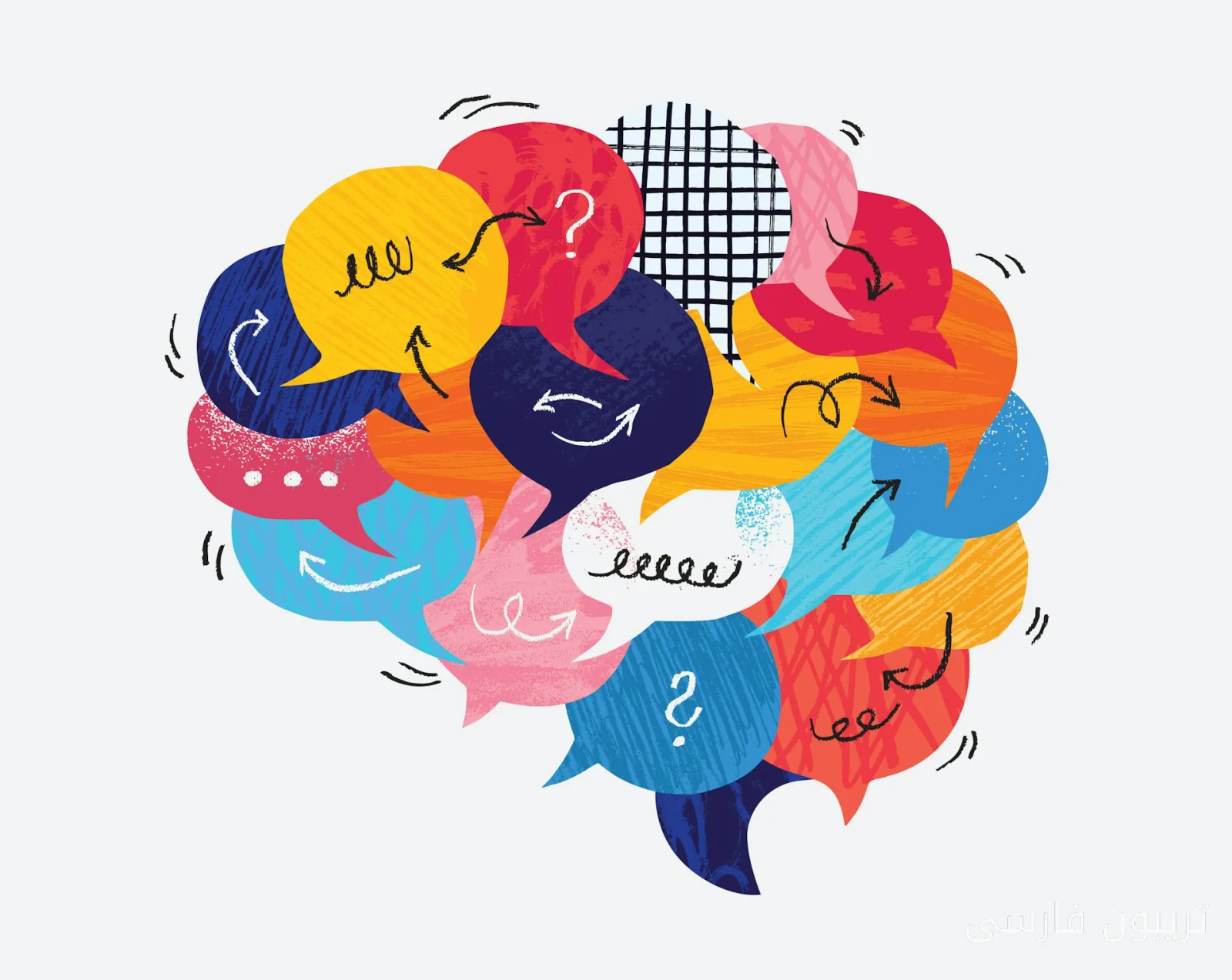
Learning a second language is a complex mental activity that requires individuals to memorize words, recognize unfamiliar sounds, identify patterns, and understand grammatical rules. This process occurs while individuals are listening, interpreting, and preparing responses. Research shows that these mental activities can help maintain brain health in older age.
Benefits of Language Learning for the Brain in Older Age
Concerns about memory and dementia lead older adults to seek ways to exercise their brains and maintain cognitive function, whether through solving crossword puzzles or playing a musical instrument. Learning a language may not seem like a type of brain exercise, but it is actually a complex activity that engages several mental processes simultaneously.
Read more: Decline in Vaccination Rates in Pittsburgh Increases Risk of Measles Outbreak
Research increasingly shows that learning a language and being bilingual can offer cognitive benefits, especially for adults. This activity can create opportunities for social connection and bonding. The human brain has the ability to change throughout life, a capacity known as "neuroplasticity."
Cognitive Reserve and Bilingualism
Learning unfamiliar sounds, vocabulary, and grammatical patterns requires the brain to form and strengthen connections. Bilingualism has been proposed as a potential factor in helping the brain cope with the effects of aging, as managing two languages places ongoing demands on individuals' attention and cognitive control. This ultimately helps strengthen cognitive reserve.
Some studies have shown that individuals who are bilingual and develop dementia exhibit symptoms at an older age compared to those who speak only one language. This suggests that bilingualism may protect against the effects of brain aging, although it does not definitively prevent dementia or related brain changes.
Learning a language in older age may also lead to cognitive benefits. Although findings are mixed, the advantage may arise not only from achieving proficiency but also from the learning process itself. Language learning is a continuous challenge that compels individuals to learn, practice, and adapt.
Ultimately, learning a language is not only a rich mental activity but can also enhance deeper cultural understanding and interpersonal communication. This process can connect individuals with others from diverse linguistic and cultural backgrounds, creating opportunities for dialogue and friendship.
Read more: Academic Calendar for the First Semester of the 1406-1405 Academic Year for Medical Sciences Universities Announced · The Future of Communication: What Are the Languages of Artificial Intelligence?