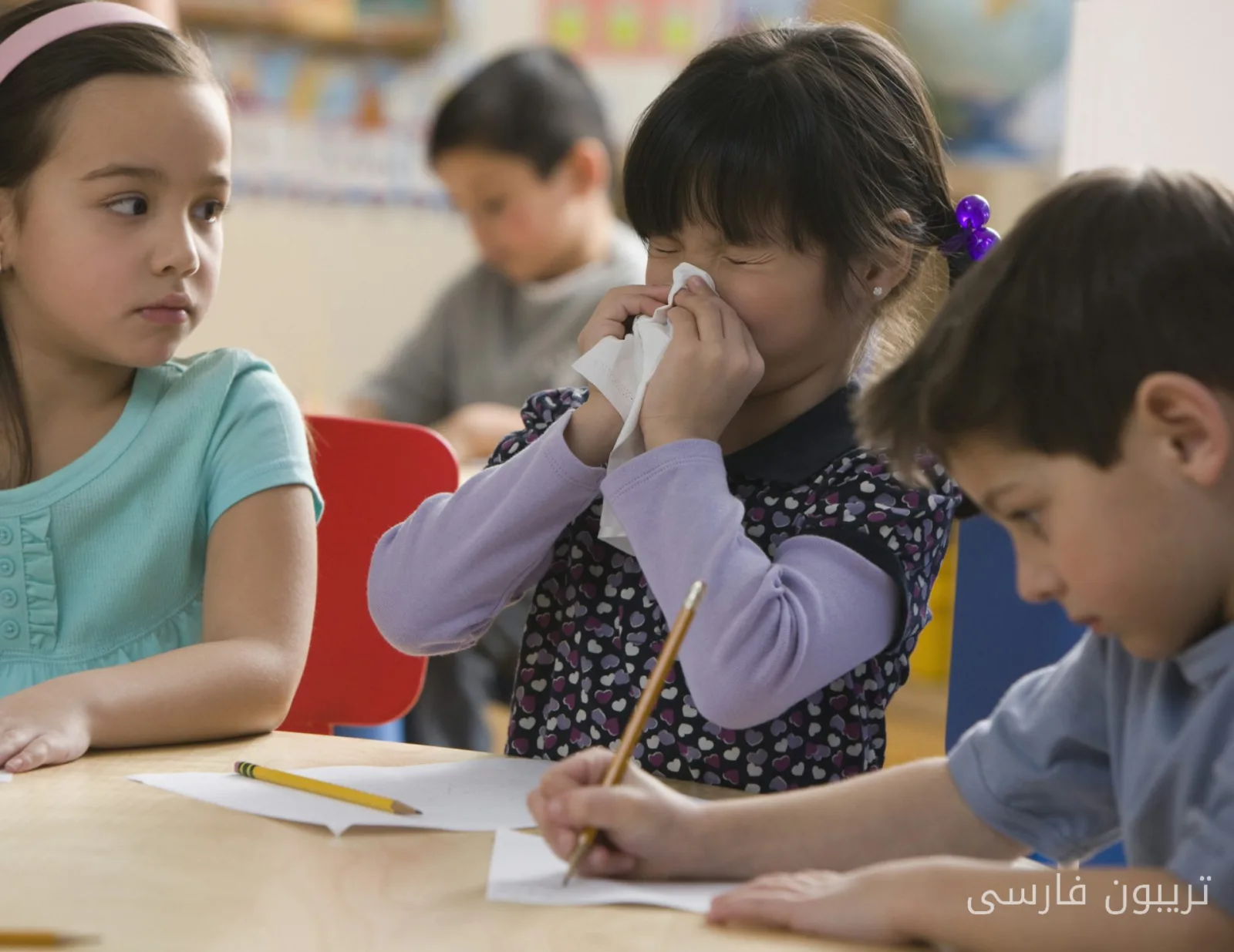
Autumn and winter are known as peak seasons for respiratory illnesses such as COVID-19, respiratory syncytial virus (RSV), influenza, and the common cold. These illnesses typically begin with similar symptoms, making them difficult to distinguish. In these situations, parents need to know whether to send their child to school or not.
The Importance of Accurate Diagnosis
Sending a sick child to school can not only prolong the recovery process but also increases the risk of disease spread among classmates and school staff. These illnesses can have serious consequences for some members of the school community and their families who have underlying health conditions. Therefore, determining whether your child has COVID-19, influenza, RSV, or a cold is very important.
Read more: Legionnaires' disease outbreak in the Bronx: one victim and several ill
COVID-19 is associated with a high risk of severe or long-term complications, while influenza and RSV can also lead to serious complications. For example, influenza can result in hospitalization, and RSV can be particularly dangerous for infants and young children.
Identifying Symptoms and Necessary Actions
The common cold is usually caused by various types of viruses and is accompanied by symptoms such as cough, sneezing, sore throat, and runny nose. These symptoms are typically mild and usually improve within 7 to 10 days. In contrast, COVID-19 is caused by a virus called SARS-CoV-2, and its symptoms usually last between 7 to 14 days and can include body aches, shortness of breath, headache, fatigue, and fever.
A prominent symptom of COVID-19 can be gastrointestinal symptoms such as stomach pain, vomiting, and diarrhea. These symptoms are not typically observed in the common cold. Additionally, flu symptoms usually appear quickly and include fever, chills, and body aches, but do not include loss of taste and smell.
If your child has symptoms that could be caused by one of these viruses, keeping them at home is very important. This helps protect other children and school staff. A general rule for decision-making is whether your child can comfortably participate in class activities. If the answer is yes, they can likely be sent to school. However, if the child has a fever, vomiting, or diarrhea, it is better for them to stay home and rest.
The American Academy of Pediatrics recommends that all children over 6 months be vaccinated against COVID-19 and influenza unless there is a medical reason not to receive the vaccine. Additionally, vaccination of infants against RSV is also recommended based on specific criteria.
Remember that even after receiving the vaccine, children may still contract these viruses. However, the vaccine helps the immune system better recognize and combat the virus. This not only reduces the risk of severe illness and hospitalization but also decreases the number of school absence days.
In general, the symptoms of most of these infections can usually be managed at home, and there is no need to see a doctor for every cough and runny nose. However, if more serious symptoms such as persistent fever, difficulty eating and drinking, or shortness of breath occur, a doctor should be consulted.
Read more: How bacteria use viruses to move their DNA · The costs of the vaccine compensation plan are significantly higher than payments to victims