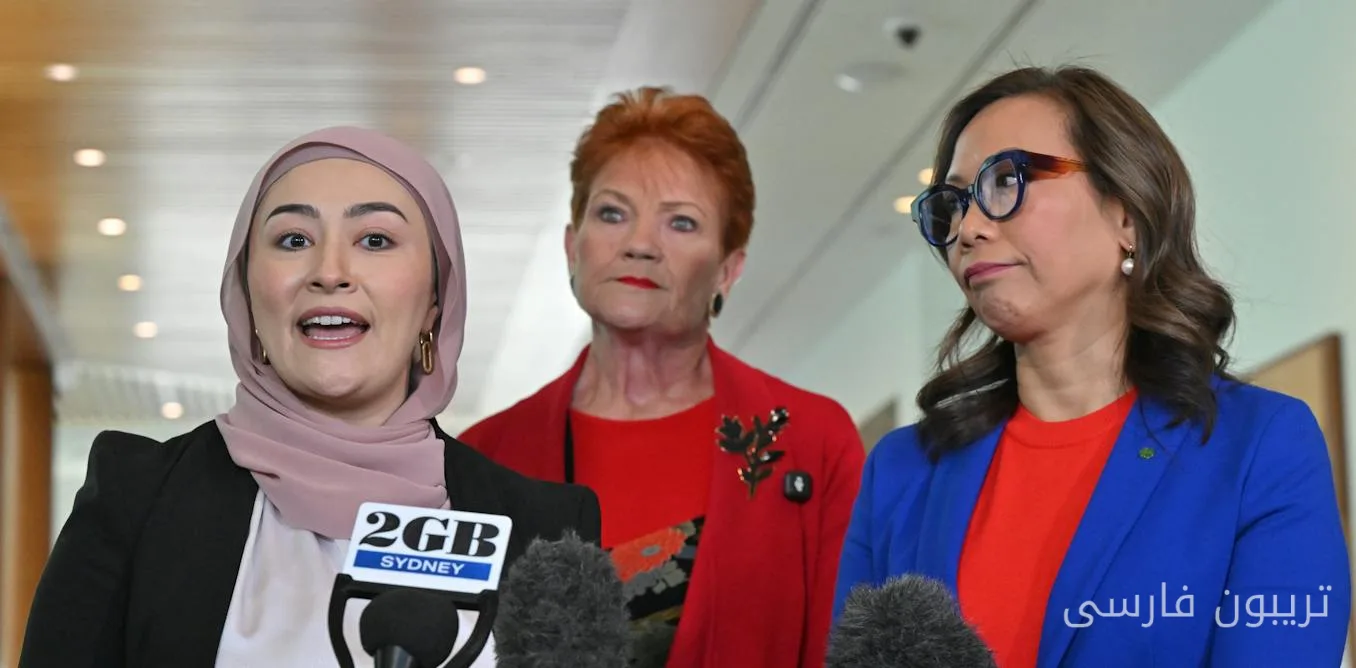
Senator Payman, an independent politician who separated from the Labor Party in the previous term and joined the crossbench, has strongly criticized the inequality in the allocation of parliamentary staff resources. He believes that Prime Minister Albanese acts arbitrarily and unfairly in his decisions regarding the number of personal staff for representatives. Payman referenced his comparison with two other independents, David Pocock and Lydia Thorpe, expressing dissatisfaction that he has no staff compared to them.
Criticism of the Prime Minister's Decisions
Senator Payman emphasized that while other independent politicians have two staff members, he has been deprived of these resources due to his political views. This inequality in resource allocation not only negatively impacts his representation efficiency but also has deeper implications for the democratic process in Australia. He noted, "The Prime Minister must not allow personal interests to influence administrative decisions, and there should be independent processes for allocating resources to representatives."
Read more: Victory of Leftist Parties in Sweden Elections: An Opportunity to Redefine Social Policies
Consequences of Inequality in Resource Allocation
The One Nation Party, which increased its Senate representation from two to four in the 2025 elections, has also strongly criticized the lack of additional resource allocation. Despite gaining more support in recent elections, this party still faces staff shortages. This issue could lead to a decline in the quality of services that representatives provide to their constituents. Senator Pauline Hanson, one of the representatives of this party, stated: "I have been asking the Prime Minister for a year to listen to the problems of my office and provide the necessary resources to fulfill my duties."
While Prime Minister Albanese prides himself on his performance regarding women's rights and equality in Parliament, he must consider that these rights only apply to representatives who agree with him. This approach could lead to public distrust in the government and diminish its credibility. Senator Hanson asserted: "You said you would be transparent and accountable, but the reality is that you have done everything the opposite, and people clearly see this."
Ultimately, the inequality in staff resource allocation not only harms independent representatives but also threatens the entire democratic process and public trust in government institutions. Representatives must have adequate access to resources to properly advocate for their constituents' interests and voice them in Parliament.
Read more: PISA Test Results Indicate Educational Inequalities Between Indigenous and Non-Indigenous Students · Murder in the Subway and Its Social Consequences in America