The U.S. must develop a new policy for transitioning countries between NATO and Russia to achieve its strategic goals in these areas. This new policy should be based on past experiences and a deeper understanding of current realities.
Current Tensions and Historical Background
Recent tensions in Moldova, Armenia, and Belarus indicate a regional crisis that has deep-rooted origins and the war in Ukraine has only exacerbated it. In particular, the entry of a Russian drone into Moldovan airspace during the flight of Volodymyr Zelensky, the President of Ukraine, illustrates that tensions in this region cannot be easily overlooked.
Read more: The Houthis' Control of the Bab al-Mandab Strait and Its Deep Implications for BRICS
The U.S.'s dual policy towards post-Soviet countries, which includes efforts to integrate Russia as a minor partner in the Western liberal order and NATO's expansion towards Russia's western borders, has not only failed but has also led to increased tensions and skepticism in the Kremlin. The perception that the main goal of the U.S. is to weaken Russia's power has made Russian officials more serious in their efforts to regain their strength.
The Need for a New Policy
Now that the unipolar era following the Cold War has ended, the U.S. must design a new policy for transitioning countries aimed at preventing the escalation of the Ukraine war and establishing balance in transatlantic relations. This policy should include economic projects and political normalization efforts that strengthen regional stability in Eurasia and guide transitioning countries towards establishing positive relations with all their neighbors.
Furthermore, U.S. engagement with Russia should include confidence-building measures to reduce risks arising from misunderstandings and security cycles. This requires ongoing dialogues with Moscow regarding what Washington is doing and about the extent of its presence in transitioning countries.
Ultimately, the U.S. should avoid NATO's expansion towards the former Soviet republics, as this action not only undermines the foundations of stability between Russia and the West but also leads to further instability in transitioning countries.
New Opportunities and Challenges
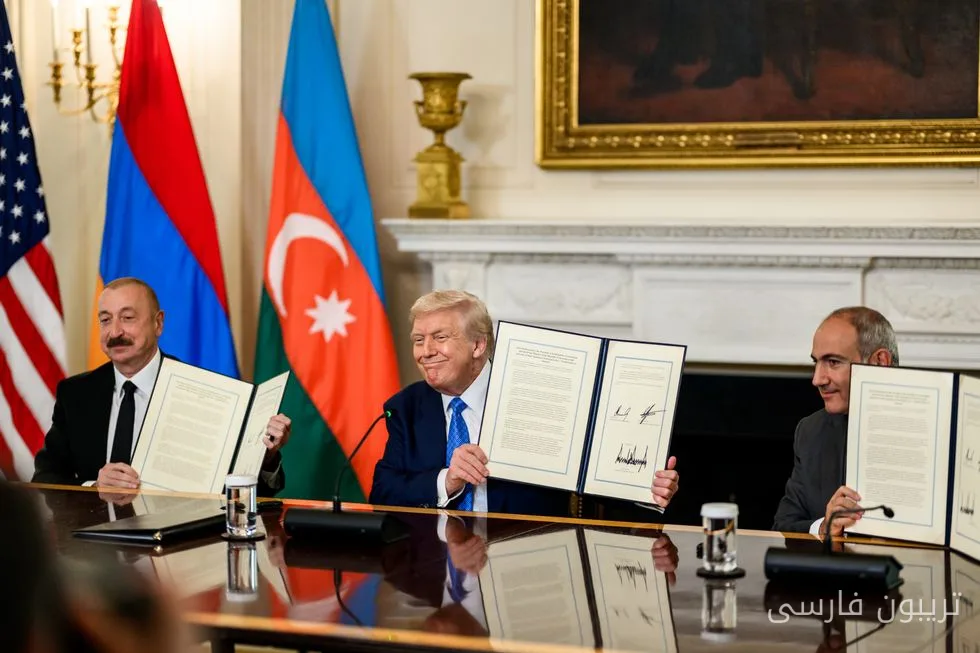
One of the significant successes for the U.S. in this regard is the announcement of the "International Path to Peace and Prosperity" in August 2025, attended by the Prime Minister of Armenia and the President of Azerbaijan. This initiative could help create a key supply chain in the middle corridor and enhance U.S. access to critical minerals.
The U.S. should assist Armenia and Azerbaijan in implementing the peace agreement and facilitate Armenia's relations with Turkey. This approach will not only contribute to security and economic development in the South Caucasus but could also lead to stability across the entire Eurasian region.
Read more: The Era of Strategic Elimination of Great Powers · Ukraine's Unique Experience in Russia's Cyber War and Its Lessons