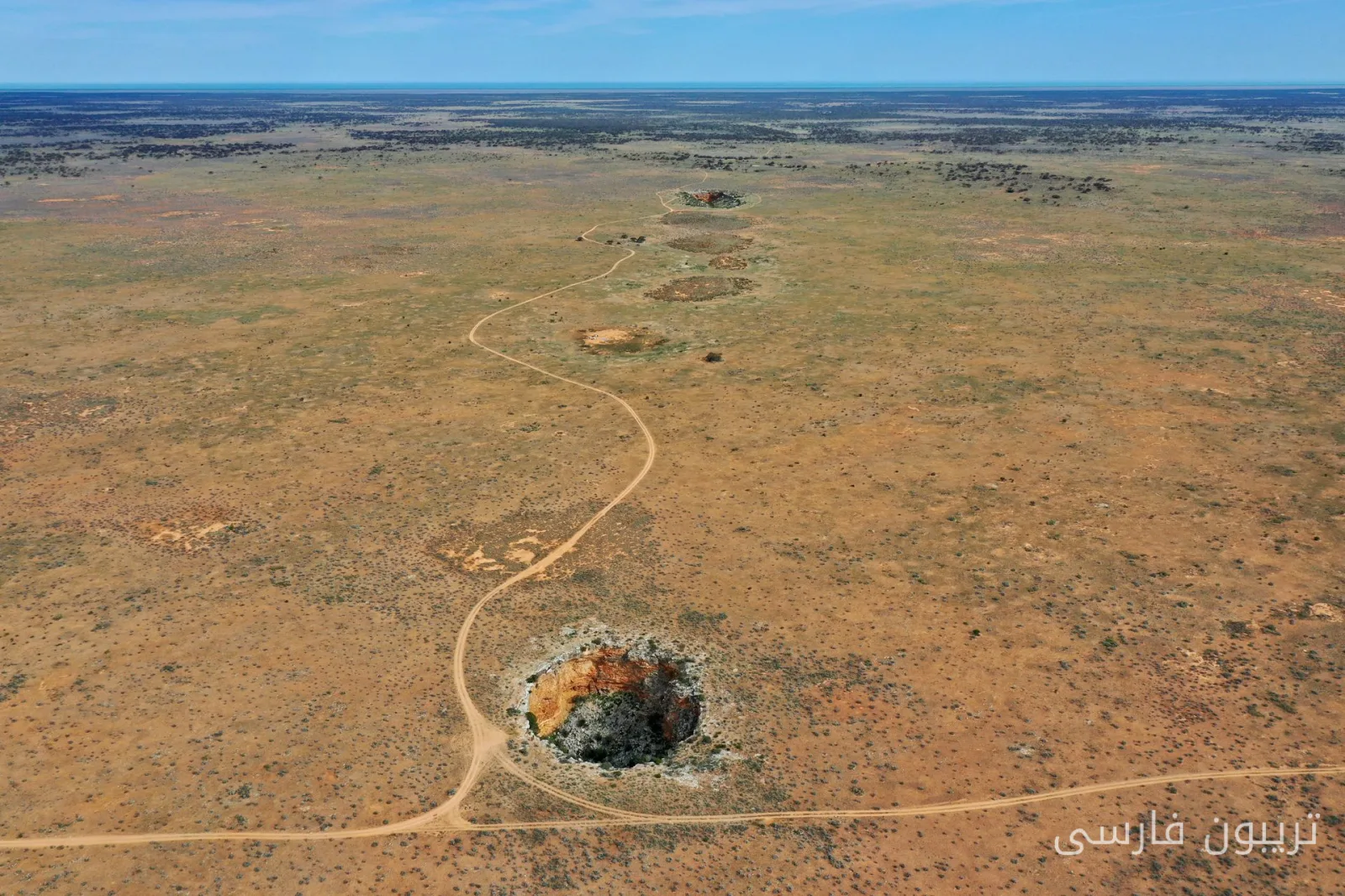
The Nullarbor Plain, covering over 200,000 square kilometers in southern Australia, showcases one of the largest carbonate rock areas in the world. This plain formed after the retreat of an ancient lake around 14 million years ago and has become one of the natural barriers for plants and animals. However, the Mirning people, the Indigenous inhabitants of this area, have lived in this region for thousands of years and have closely observed environmental changes.
Discovery of Hidden Caves and Underground Systems
New research published in the journal Communications Earth & Environment presents innovative methods for identifying underground cave systems in the Nullarbor Plain. This study shows that despite its simple appearance, this plain has a complex underground world that has been less understood for years due to limited access and specific geographical conditions.
Read more: Experiencing Trophophobia: Psychological Reactions to Hole Patterns
Marked points in the plain, including small cave entrances and surface depressions, indicate its vulnerability to erosion. However, new features have also been identified in this area that were previously unknown: shallow, long trenches that are invisibly located at the surface and connect to cave systems and sinkholes.
Implications of New Discoveries
This research indicates that shallow trenches are merely a glimpse of deeper underground cave systems that have been slowly reaching the surface over millions of years. The results of this study could change the way cave landscapes are interpreted globally and help better understand geological hazards and manage groundwater resources.
Additionally, these findings could assist in identifying potential locations for life on other planets. Given the stable environment of caves and protection against harmful space radiation, these locations could be suitable points for exploring life on other planets. In particular, the Nullarbor Plain could serve as a model for identifying cave systems on planets like Mars, which lack a dynamic water cycle.
Read more: Language Changes in Referring to Individuals with Mental Disorders and Disabilities