Ulf Kristersson, the Prime Minister of Sweden, officially resigned following the defeat of his right-wing coalition in the parliamentary elections on Sunday. This defeat not only marks the end of the right-wing governance era in Sweden but is also seen as a warning sign for far-right parties in Europe. In this election, Kristersson's coalition secured only 173 seats out of 349 in Parliament, while leftist parties led by the Social Democratic Party managed to gain 176 seats.
Political and Social Consequences
This defeat is particularly significant for Kristersson and his coalition as he entered the elections with hopes of an easy victory. He was attempting to unite right-wing parties in Sweden, but his decision to ally with the Sweden Democrats, known for their neo-Nazi roots and white supremacy, seems to have backfired. This issue indicates that Swedish society is increasingly returning to social welfare and social justice.
Read more: The Need for Protective Layers in Artificial Intelligence Systems
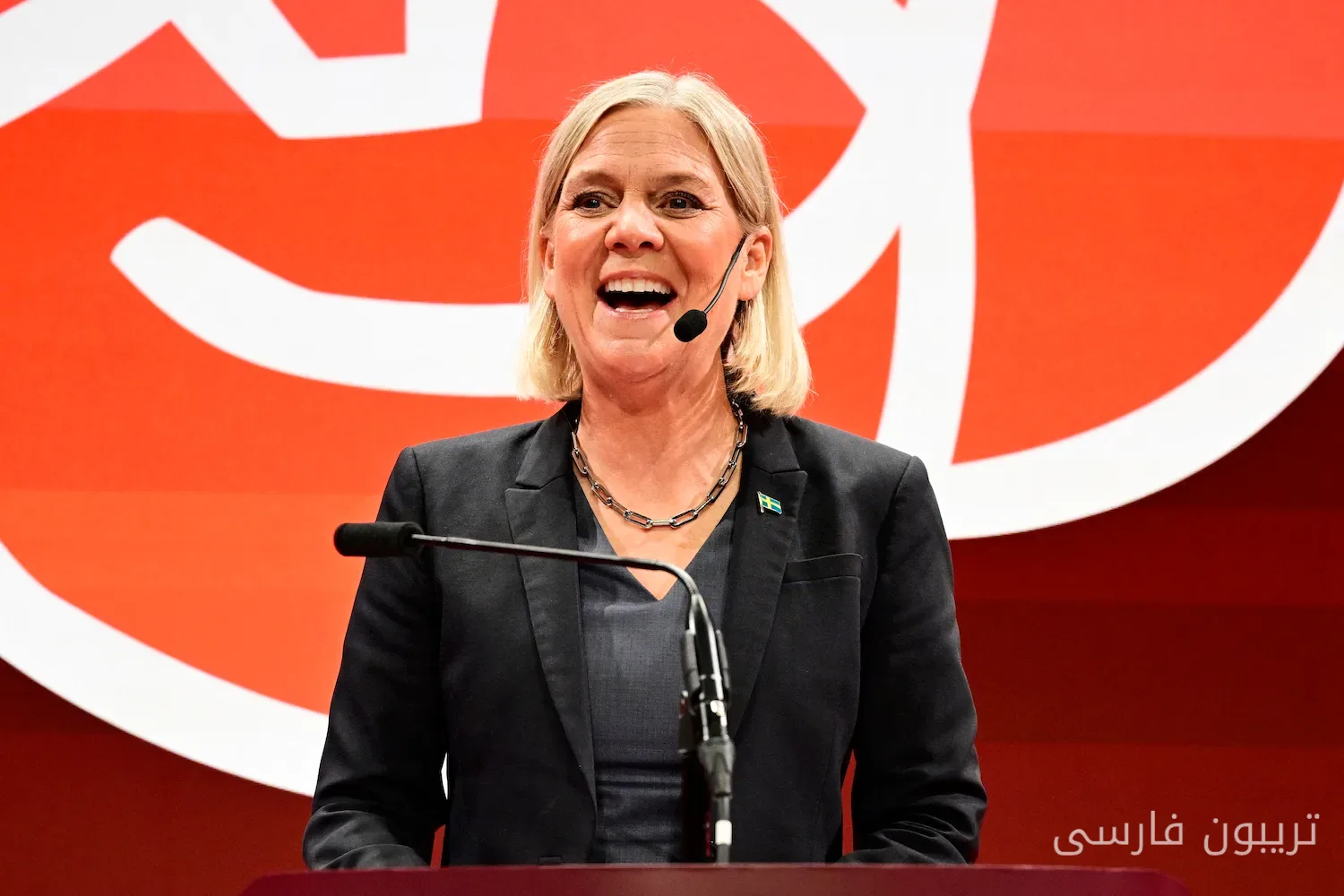
Magdalena Andersson, the leader of the Social Democratic Party, stated in her speech after the elections: "The people of Sweden have voted for a new direction for the country, for unity and not division." She has quickly sent out invitations to begin coalition negotiations with three other leftist parties. However, forming a stable coalition may face challenges, as the leftist parties each have different views on financial and social policies.
Challenges in Forming a New Government
The differing policies of the leftist parties could delay negotiations. For example, the Centre Party is calling for tax cuts, while the other three parties are seeking to raise taxes to fund public services. Meanwhile, the Green Party is strongly opposed to nuclear energy, which could exacerbate disagreements. Past experiences in Sweden show that forming a new government can be time-consuming. In 2018, it took 134 days to form a government, and in 2022 it took 37 days.
Overall, this election is seen not only as a turning point in Sweden's political history but also as a sign for other European countries. Many analysts believe that this outcome could help reduce the influence of far-right parties across the continent and motivate leftist parties in other countries to strive more for social justice and public welfare.
Read more: Educational Challenges for Children of Military Families in Britain · Brazil's Elections and Inability to Solve Fundamental National Issues