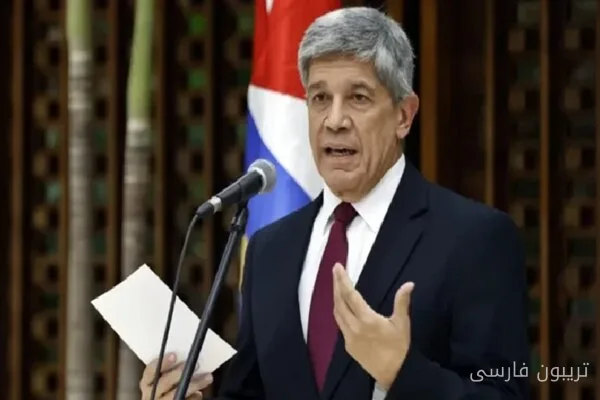
Carlos Fernández de Cossío, Deputy Minister of Foreign Affairs of Cuba, stated that the United States' plans to impose a change of sovereignty in Havana will severely fail. He described these actions as efforts to create a humanitarian crisis and provoke fabricated discontent against the Cuban government.
Evidence and Economic Realities
Fernández de Cossío further emphasized that the U.S. economic blockade directly affects the daily lives of the Cuban people. He pointed to serious problems in providing electricity, water, transportation, and hospital services, stating that many Cubans receive electricity for only 2 or 3 hours a day. This situation clearly demonstrates the negative impacts of economic pressures on people's lives, and the real goal of Washington with these pressures is to push people towards discontent and humanitarian crises.
Read more: Gordon Brown: The Need for Financial Restrictions in British Policy
Economic Reforms in Cuba
The Deputy Minister of Foreign Affairs of Cuba also referred to economic reforms in the country, stating that the government is expanding the role of the market, the private sector, and investment opportunities. He described these reforms as the deepest economic changes in Cuba since the 1960s. These actions reflect Cuba's efforts to improve economic conditions and become more resilient against external pressures.
Overall, Fernández de Cossío's statements reflect Cuba's strong will to confront external challenges and improve internal conditions. While the United States seeks political changes in Havana, Cuba is pursuing new economic strategies to maintain stability and enhance the quality of life for its people. This approach can be seen as a strategic response to external pressures and can increase the country's internal capabilities against economic crises.
Read more: Consequences of the Russian Parliamentary Elections in the Shadow of the Ukraine War for Vladimir Putin · Challenges for Saudi Arabia to Achieve a Nuclear Agreement with America