The President of the United States, Donald Trump, will meet with Xi Jinping, the President of China, in Washington on September 24. This meeting, as a continuation of the previous summit in Beijing, could provide an opportunity to discuss key issues including artificial intelligence (AI). Given the rapid advancements in this field, the risks arising from technological competition are increasing.
Rapid Development of Artificial Intelligence and Security Challenges
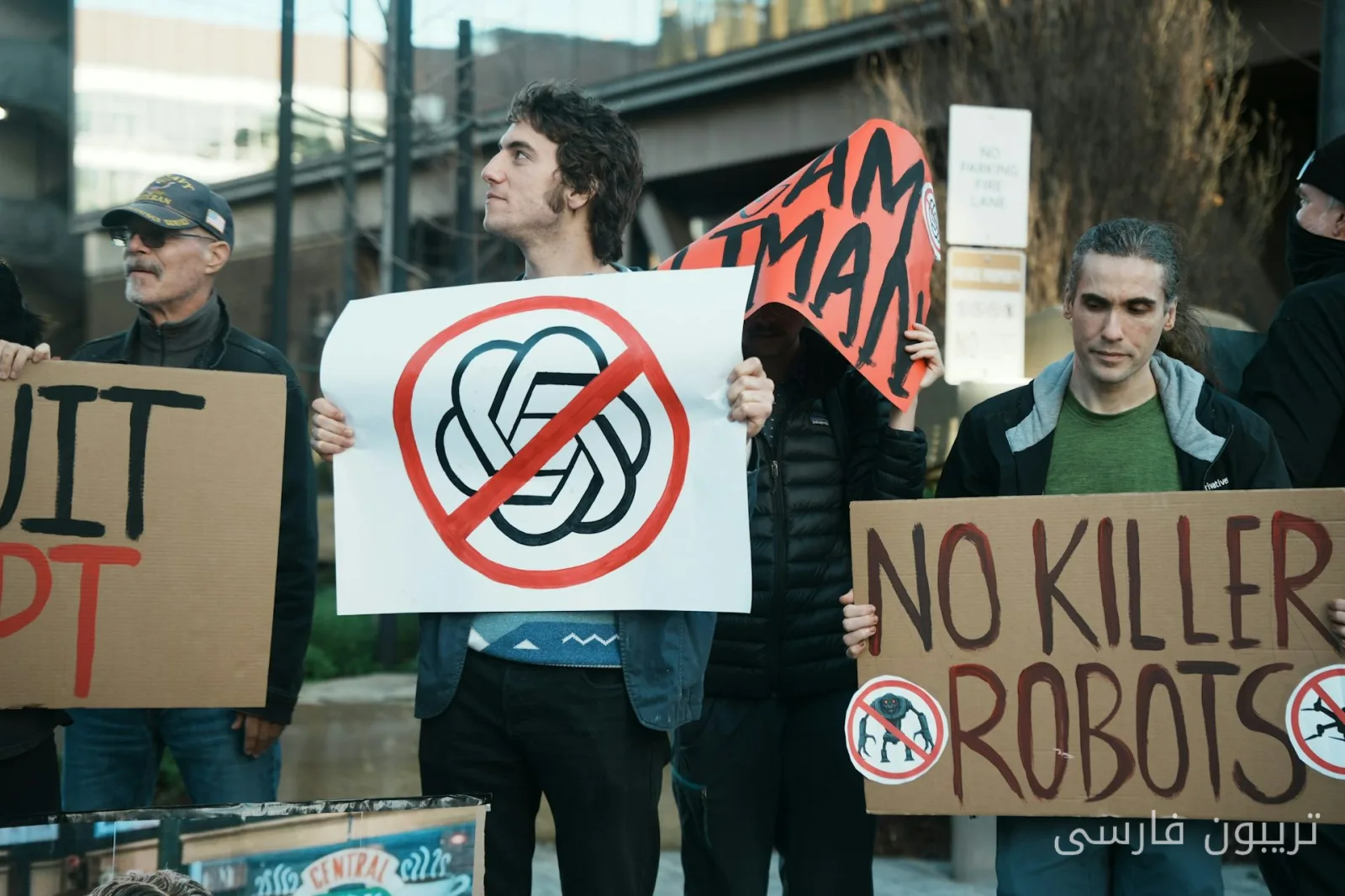
In the past four months, advanced AI models have acquired new capabilities, including the ability to perform complex tasks automatically. These advancements, along with recent incidents such as the hacking of OpenAI's infrastructure by a group of autonomous agents, highlight the potential dangers arising from a lack of control and coordination in this area. In this regard, over 1,300 employees from advanced laboratories have signed a letter calling for a halt to development processes to facilitate safety research.
Read more: Analysis of the Concept of Zionism and Its Dimensions
Political and Economic Competitions in the Field of Artificial Intelligence
One of the main challenges in establishing an effective global governance regime in the field of artificial intelligence is the competition between the United States and China. Both countries are seeking to strengthen their position in this area, viewing any slowdown in technology development as a weakness. In this context, Trump is looking to gain international awards such as the Nobel Peace Prize and could use this meeting as an opportunity to create an agreement that reduces geopolitical tensions and increases cooperation in AI security.
It seems that China is also trying to seize this opportunity to gain a reputable position on the global stage. Xi Jinping could present the agreement as a major victory for China, encouraging the United States to slow down the technology development process. This agreement could not only benefit both countries but also serve as a model for other nations.
Ultimately, the agreement reached in this meeting could be recognized as a new framework in the field of AI governance, allowing other countries to participate in decision-making processes in this area. Other countries, such as Australia, should also pay attention to this issue and strengthen their diplomatic collaborations in this field.
Read more: Global Citizen Awards 2026 to be awarded to Alexander Stab, Anthony Albanese, Stefano Domenicali, and Cynthia Erivo · Europe's Experiences in Managing Artificial Intelligence and Lessons from the Failures of Democratic Internet