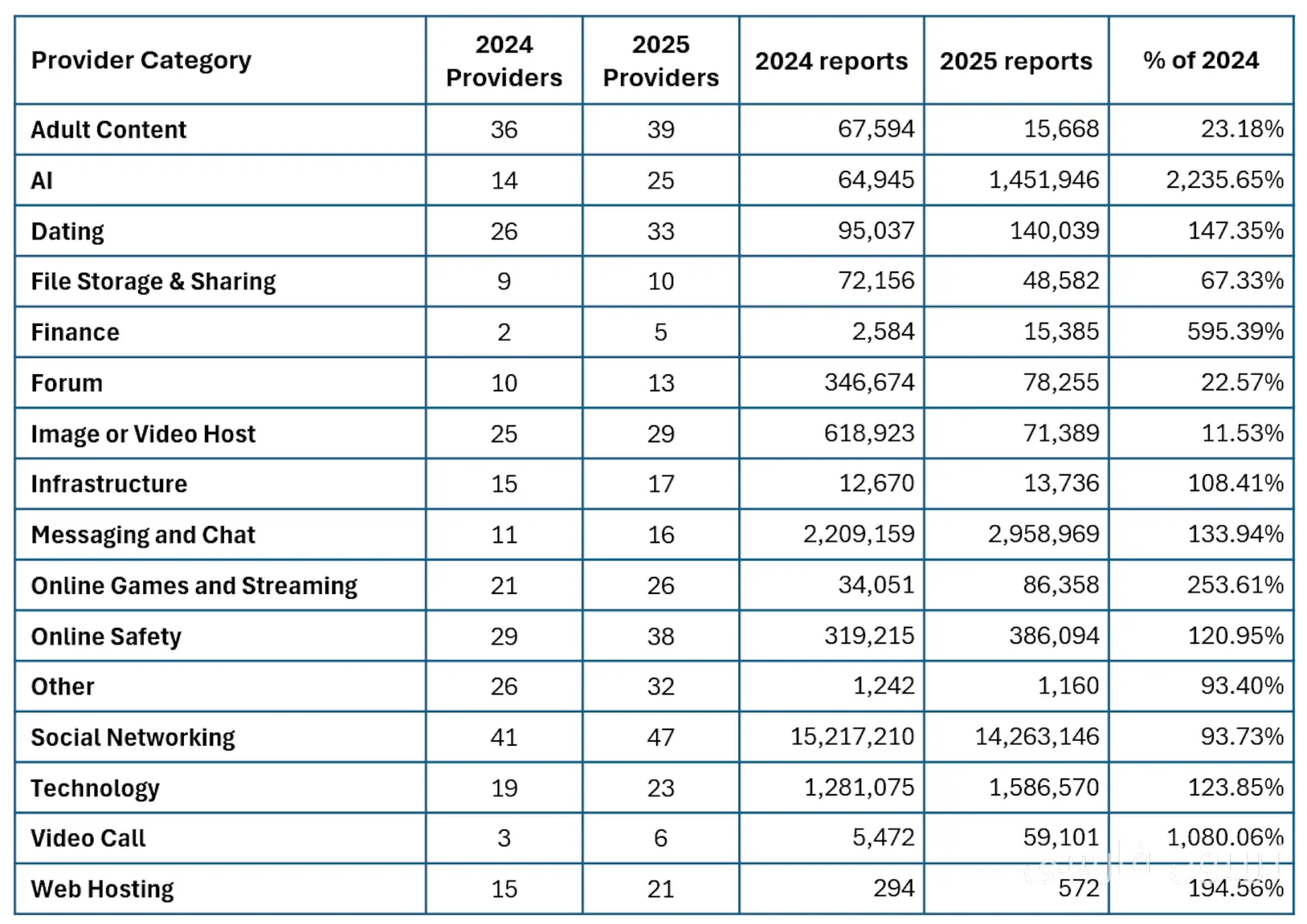
Australia has recently released an alarming report from the country's federal police, indicating that the Australian Centre to Counter Child Abuse received over 100,000 reports of online sexual abuse of children in 2025-2026. This figure translates to an average of 275 reports per day and a 21 percent increase compared to the previous year. However, these numbers do not solely represent the level of online harm but are primarily attributed to reports from companies seeking to identify harms on their platforms.
Legal Challenges and Need for Changes
Two days before this report, the Australian federal government introduced a draft law requiring platforms to create a "safe online environment." However, if this proposal is approved in its current form, there will be no obligation to identify online harms or report them to Australian authorities. Most reports of online sexual abuse of children actually come from the National Center for Missing and Exploited Children in the United States, where this center received over 21.3 million reports in 2025.
Research shows that large tech companies like Facebook and Google relatively engage in identifying and reporting these harms, but these activities are done voluntarily. For example, changes in these companies' privacy and security policies can quickly affect the number of reports. For instance, in December 2023, Facebook made changes to its messaging system that resulted in a significant decrease in reports of online sexual abuse.
Consequences of Not Changing Laws
The existing laws in Australia, particularly Section 474.25 of the Criminal Code, are limited to reporting by internet service providers and hosting services and inadequately respond to current needs. In fact, this law allows large tech companies to act voluntarily in identifying harms, and as a result, the annual number of reports to the federal police directly depends on these companies' efforts.
Considering that next year, the current laws requiring platforms to actively identify abusive materials will be repealed, it is necessary to implement changes to the digital care draft law. Establishing legal requirements for identifying and reporting online abuses could help improve the situation and enable platforms to take more proactive measures against these issues.
In summary, the digital care legal framework in Australia requires fundamental changes to effectively address online abuses against children. These changes should include mandating platforms to identify harms and report them to relevant authorities. Without these changes, annual statistics will only reflect the voluntary efforts of American companies and cannot accurately represent existing realities.
Read more: The Rise of Islamophobia in Britain and the Dangerous Neglect of Politicians · Australia and the Forgetting of Its History in the Pacific