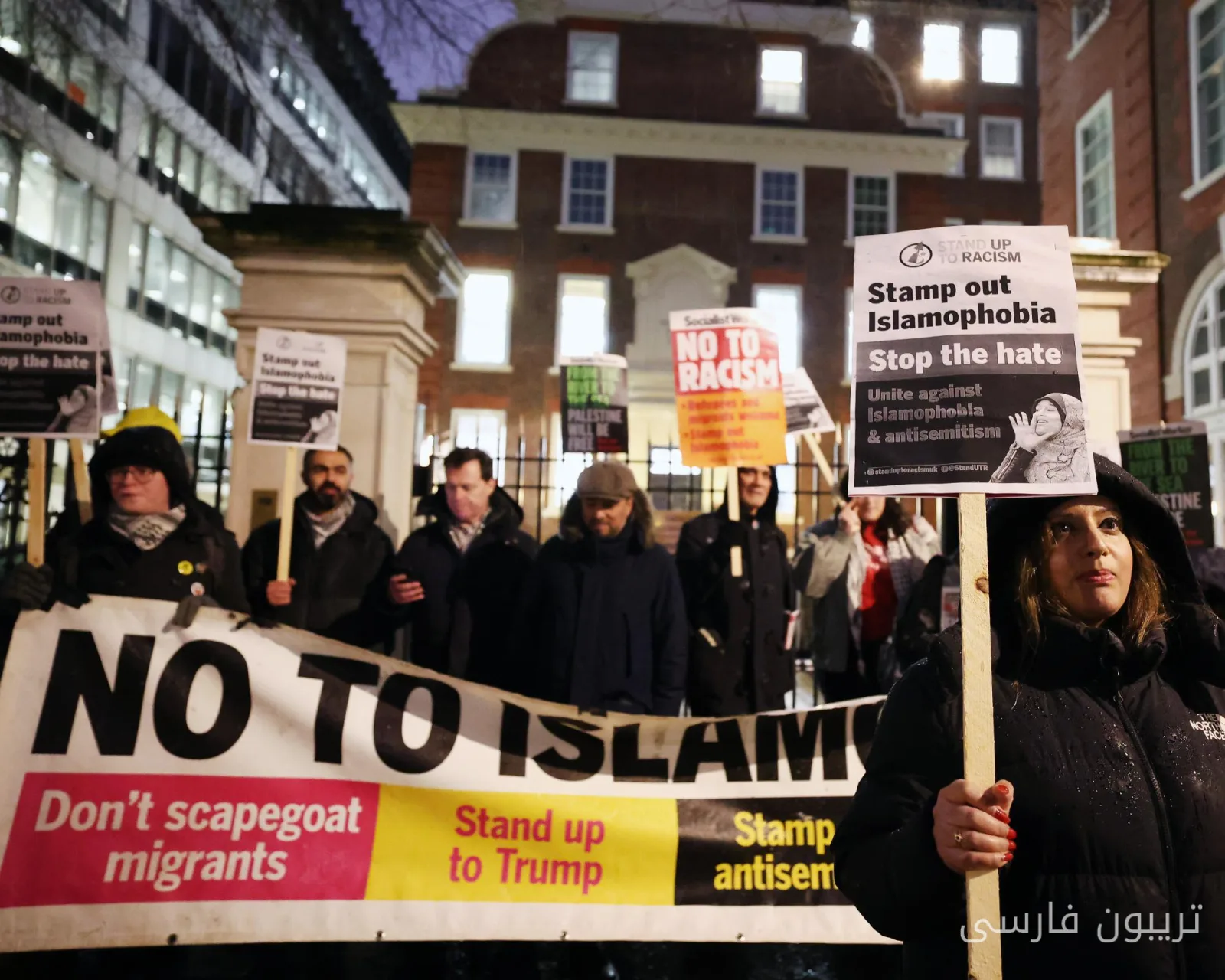
Islamophobia in Britain is significantly on the rise, and politicians in this country have dangerously neglected to address this phenomenon. Five years ago, many Muslims in Britain hoped that prejudices against them would gradually decrease. However, over time, the situation has not only failed to improve but has worsened significantly.
Evidence of Increasing Islamophobia
A survey published in July revealed that two-thirds of Britons believe that Muslims cannot fully integrate into British society. Additionally, a report released last summer indicated that more than half of Muslims in Britain have personally experienced anti-Islamic discrimination in the past year, with one-quarter of them facing such discrimination in public places.
Read more: Intelligence tests for assessing dog capabilities need to be revised
This evidence indicates a dangerous shift in the social atmosphere of Britain. Two years ago, during a time of racial unrest across the country, we witnessed how different communities turned towards racist violence against Muslims and refugees, who were presumably Muslim. Videos of these events show that even parents brought their young children to watch these riots, while angry groups attempted to break down the doors of mosques and refugee shelters.
Social and Political Consequences
This situation poses a threat not only to the Muslim community in Britain but also creates a conducive environment for the growth of far-right parties. Given that many politicians in Britain do not take this phenomenon seriously, there is a possibility that Islamophobia could become part of public policy. Politicians must be aware that failing to act against such tensions can have dire consequences and lead to further violence.
Ultimately, neglecting the issue of Islamophobia can lead to a decrease in public trust among Muslims and other minorities, causing these groups to feel isolated and insecure. This trend not only undermines social cohesion but can also exacerbate more serious political and social crises in the future.
Read more: The impact of large language models on language and human experience · Gender constraints at the Eiffel Tower: reopening after the strike