The new general amnesty law in Lebanon, passed on August 12, is the first of its kind since 1991. The main objective of this law is to reduce the prison population and promote the human rights of prisoners. However, behind this goal, there are also sectarian and political changes that indicate the increasing power of the Sunnis in Lebanon.
Consequences of the General Amnesty
This law will directly lead to the reduction of sentences or the release of thousands of prisoners. Lebanon is facing a problem of overcrowded prisons, and many prisoners have been awaiting trial for years. According to this law, the death penalty will be converted to life imprisonment, and life sentences will be reduced to 17 years. Additionally, prisoners who have been held without charges for more than 12 years will be automatically released.
Read more: The Australian government may restrict the work rights of refugees
Changes in the Balance of Power
Given Lebanon's political history, each religious group seeks to support its own criminals. While the Shia group Hezbollah has called for amnesty for specific crimes such as car theft and drug offenses, Christian parties are also seeking amnesty for those who collaborated with the Israeli occupation. However, interestingly, Sunni politicians have lobbied strongly to include Sunni Islamist prisoners in this amnesty. This reflects a shift in the political and social power of the Sunnis in Lebanon.
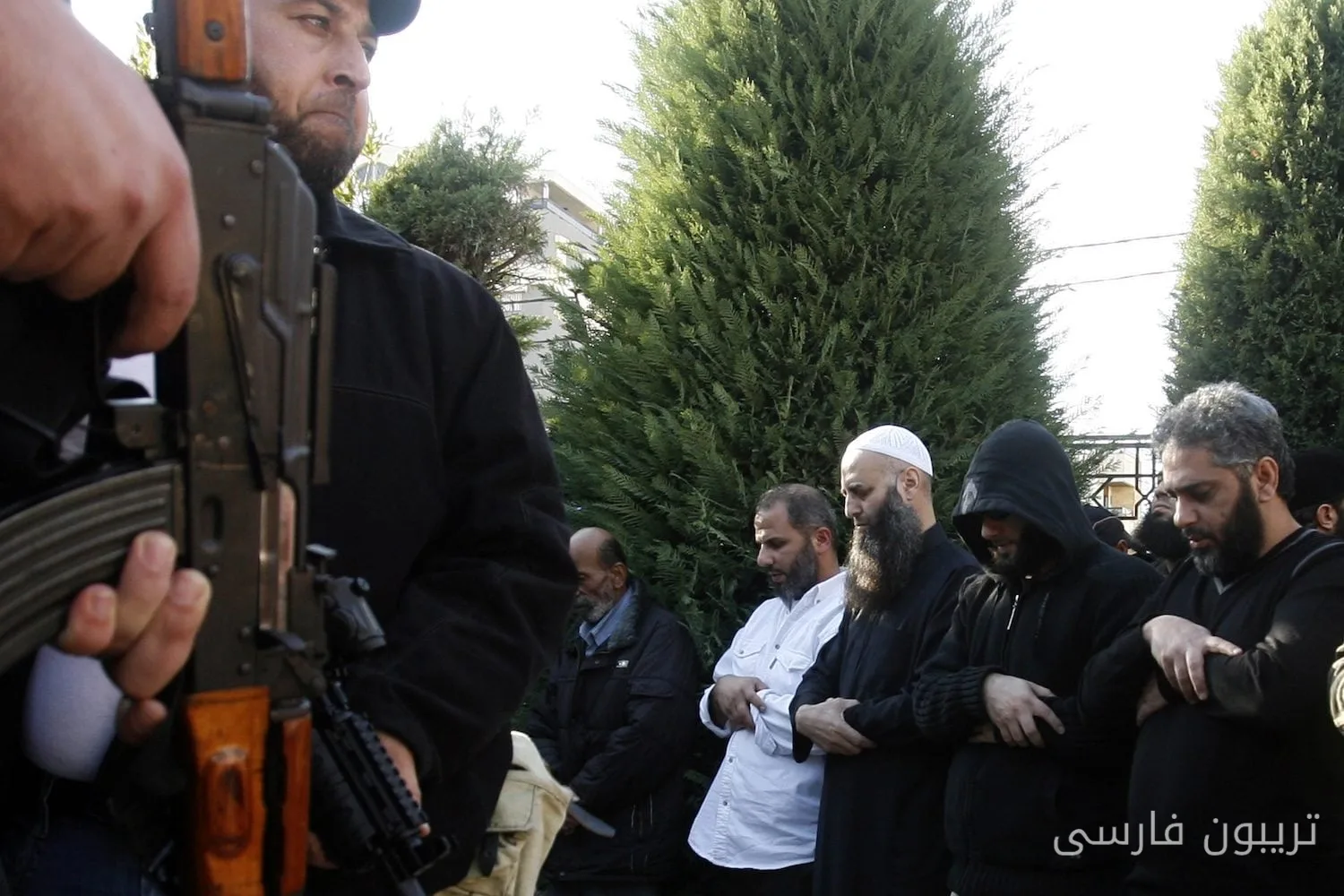
Ahmad al-Assir, a symbol of Sunni prisoners, has been sentenced to death due to his criticisms of Hezbollah and his conflicts with the Lebanese army. With the passage of this law, there is a possibility of his release in the next two years, raising concerns among Sunni elites.
The regional and political conditions in Lebanon have also fueled these changes. With the decline of Hezbollah's power and changes in Syrian leadership, the conditions have become favorable for increasing the political influence of the Sunnis. These developments could lead to the emergence of new and radical leadership within the Sunni community in Lebanon, especially in the context of the economic crisis that many Sunnis are facing.
In light of these developments, it remains to be seen whether this shift in the balance of power can lead to transformations in Lebanon's politics and what impact it will have on the country's political future.
Read more: Huaiao Wang: China could play a vital role in ending the Iran-U.S. war · Criticism of the political polling industry in the UK following Reform allegations