As twenty-five years have passed since the September 11 terrorist attacks, America has yet to uncover the main reasons for the hatred some countries and groups hold against it. This issue is presented not only as a social challenge but also as a political and security dilemma. During this time, the United States has attempted to overcome these hatreds through military and diplomatic interventions, but it seems these approaches have not led to positive results.
Analysis of the Roots of Hatred
Analysts believe that the roots of this hatred depend on various factors, including U.S. foreign policies, military interventions in Muslim countries, and support for non-democratic regimes. Additionally, the negative image that the media portrays of other cultures also plays a role in shaping these hatreds. For this reason, many experts emphasize that without a deep understanding of these factors, efforts to reduce hatreds will not yield results.
Endless Wars and Their Impacts
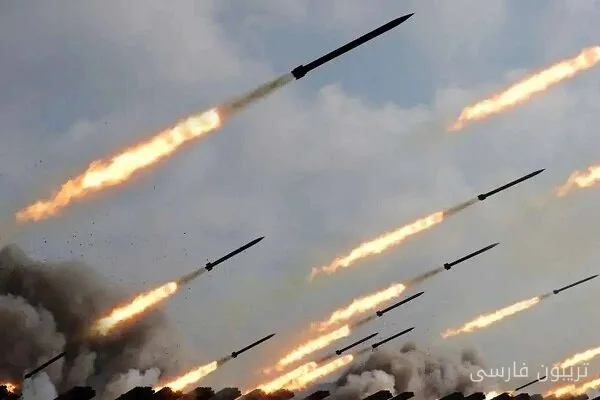
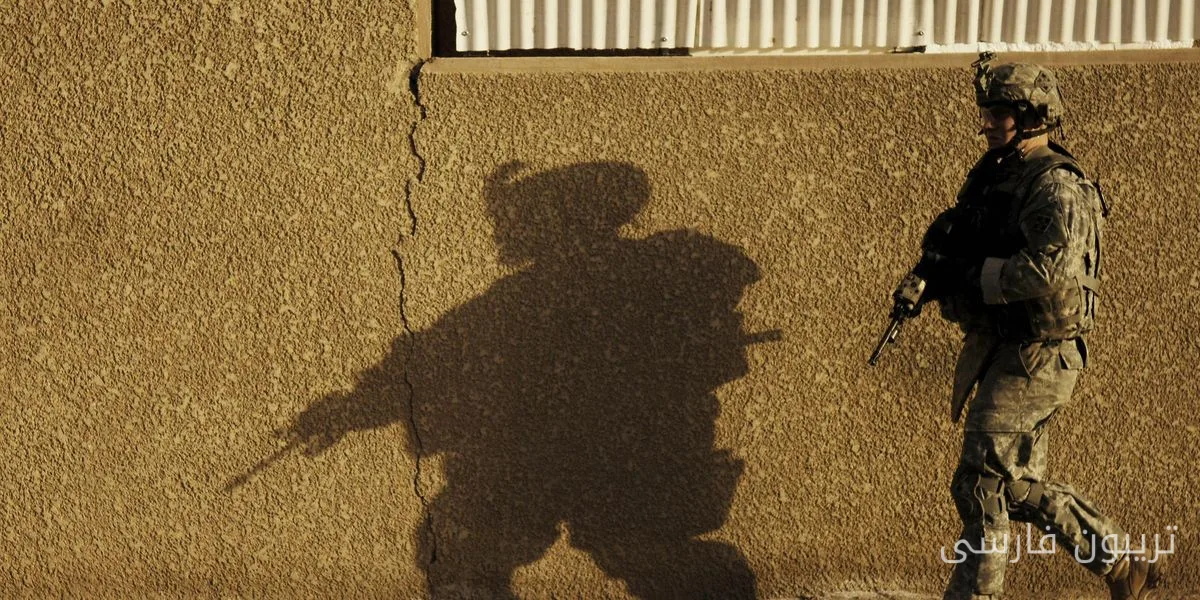
One of the most important dimensions of this issue is the endless wars that America has waged around the world. Wars that have not only affected the lives of millions but have also strengthened anti-American sentiments in many parts of the world. These sentiments, in many cases, have contributed to the formation of extremist and terrorist groups and have become a serious challenge for global security.
On the other hand, many people around the world believe that America is pursuing its own interests and, in this pursuit, ignores human rights and human values. This perspective, in turn, exacerbates hatreds and negative sentiments. Therefore, the question that remains unanswered is when will America reach a proper understanding of these hatreds and what actions will it take to address this dilemma?