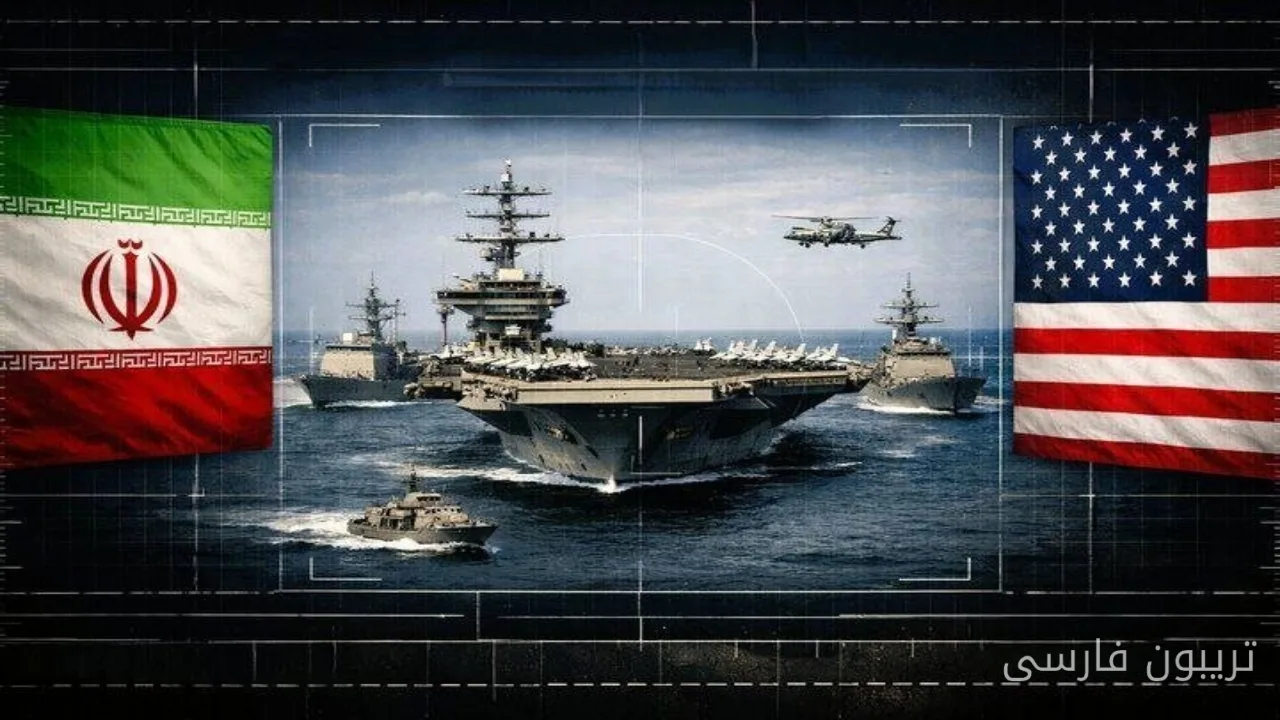
More than six months after the U.S. attacks on Iran, many analysts and media outlets have examined the gap between Washington's stated goals and the actual outcomes of the war. These failures are not only directly related to Iran's military and economic power but are also linked to internal and external challenges facing the U.S.
Internal and External Challenges
Politicians and political observers believe that the failure to achieve U.S. goals in Iran stems from a lack of accurate forecasting of conditions and potential reactions from Tehran. Moreover, the continuation of sanctions and economic pressures on the Iranian people has, instead of weakening the regime, led to greater solidarity and increased nationalism among the people.
Many experts believe that the U.S., instead of focusing on military objectives, should pay more attention to diplomacy and political dialogue. Especially considering that history has shown wars typically do not create sustainable solutions, but rather lead to increased tensions and problems.
Conclusion
It seems that the U.S. faces serious challenges in its efforts to achieve its goals in Iran. These failures are viewed not only as a military defeat but also as a warning sign for U.S. foreign policies worldwide. In a situation where diplomacy and political dialogue could be presented as effective solutions, will Washington move towards dialogue and negotiation instead of continuing military conflicts?