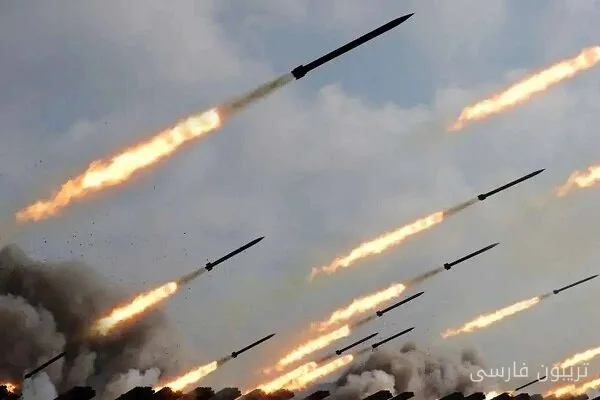
As tensions in the Middle East have reached their highest point, the transfer of U.S. military resources from the Indo-Pacific region to the Middle East has drawn significant attention. This situation has not only added to Washington's military complexities but has also created a deep gap in the overall strategy of the country in Asia.
Consequences of the War on U.S. Priorities
The United States, which once emphasized the strategic importance of the Indo-Pacific region, is now compelled to reassess its priorities due to the war with Iran. This diversion in military resource allocation reflects the challenges that Washington is facing. It seems that these changes will not only lead to a reduction in U.S. military power in Asia but may also increase the influence of regional rivals.
Future Outlook
Given the current conditions, the question arises whether the United States will be able to quickly return to the pre-war status. Although Tehran is recognized as a key player in the Middle East, the consequences of this conflict on the balance of power in Asia and the Middle East are expected. Therefore, Washington's diplomatic and military efforts will be significantly influenced by these developments.
Ultimately, analysts believe that the war against Iran will not only lead to changes in U.S. military policies but will also create new requirements for the national security strategy of the country. In this context, America's allies in Asia must also prepare to face this new reality.