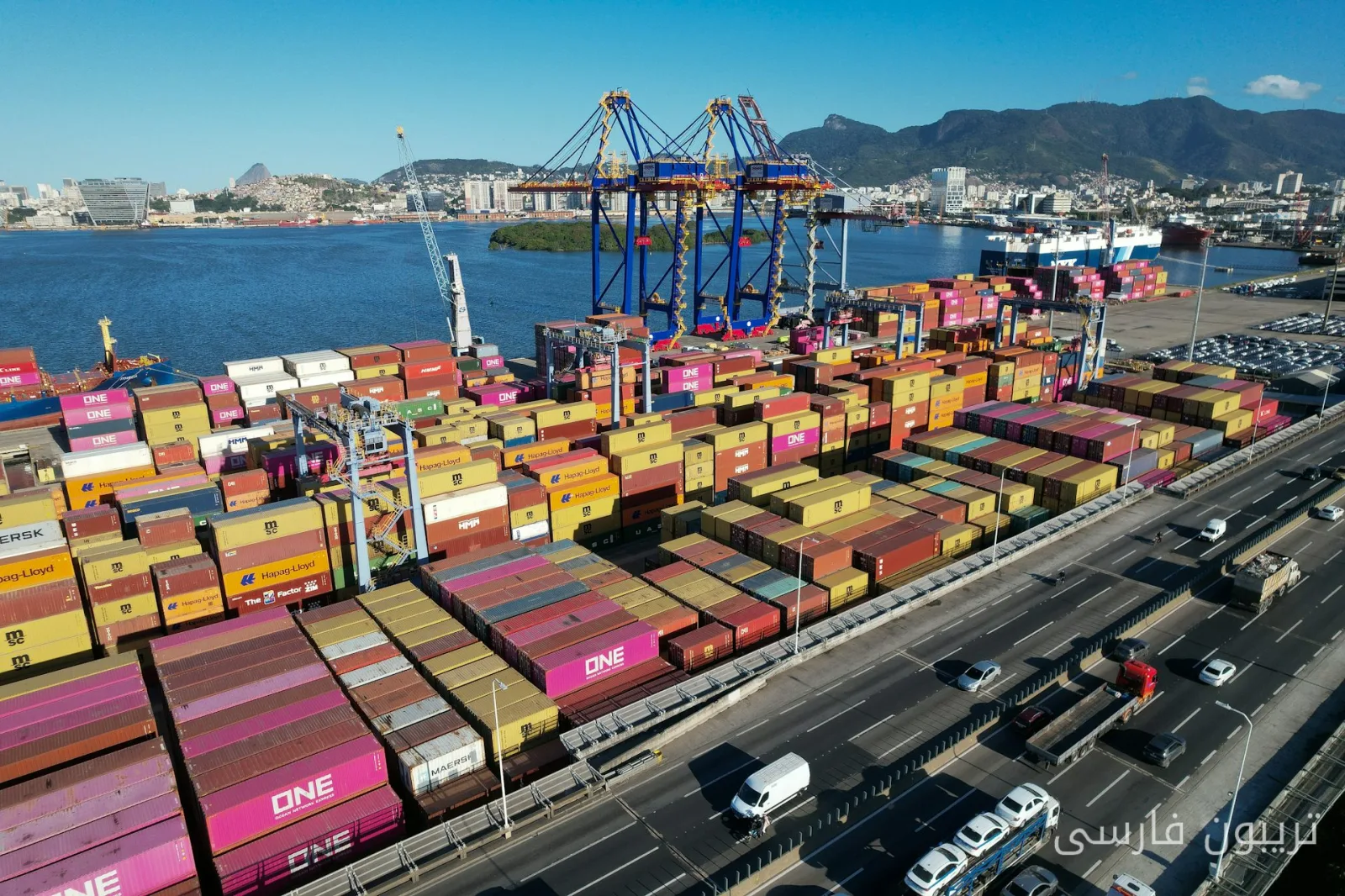
The Donald Trump administration took another step to pressure Brazil by announcing a 25% tariff on Brazilian goods on July 15, 2026. This action, along with an additional 12.5% tariff, raised the total tariffs to 37.5%. Meanwhile, the United States has been recognized as the largest exporter of goods to Brazil for years, with American exports to Brazil estimated at around $54 billion in 2025.
Trade Imbalance and Political Pressures
Despite the United States having a $14 billion trade surplus with Brazil, Trump continues to reduce Brazilian imports. These actions seem to be driven more by political reasons than economic ones. In fact, these efforts are linked to Trump's protests against the legal cases against former Brazilian President Jair Bolsonaro, who is considered his political ally. Ahead of the Brazilian presidential elections, this issue could become a successful argument for Luiz Inácio Lula da Silva, the current President of Brazil.
Read more: Andy Burnham and the Need to Pay Attention to Families' Experiences in the Cost of Living Crisis
Consequences of the New Tariffs and Brazil's Response
The U.S. government has also exempted 471 Brazilian products from tariffs, including essential goods and industrial inputs. However, the remaining goods mainly consist of manufactured products such as shoes, clothing, and machinery, which could negatively impact the U.S. market. These tariffs primarily exert pressure on American companies, as they must pay higher costs at the border.
Research shows that Trump's power to use tariffs to change Brazil's policies has been limited. Since 2009, China has replaced the United States as Brazil's largest trading partner, leading to a decrease in Brazil's dependence on the U.S. market. This allows Brazilian exporters to sell their goods to other markets.
Moreover, Trump's pressures may be self-defeating. By limiting Brazil's access to the U.S. market, China appears to be a more attractive buyer for Brazilian goods. Additionally, Trump's criticisms of the legal cases against Bolsonaro are raised as a significant factor in Brazil's economic decision-making.
Ultimately, the issue of Trump's tariffs on Brazil is not only related to trade policies but also connects to Brazil's domestic and electoral policies. As the elections approach, increasing pressures could work in Lula's favor in his efforts to maintain power.
Read more: The Costs of the U.S. and Israel's War Against Iran on Europe's Economy · The Philippines Must Turn Rapid Growth into Productive Growth