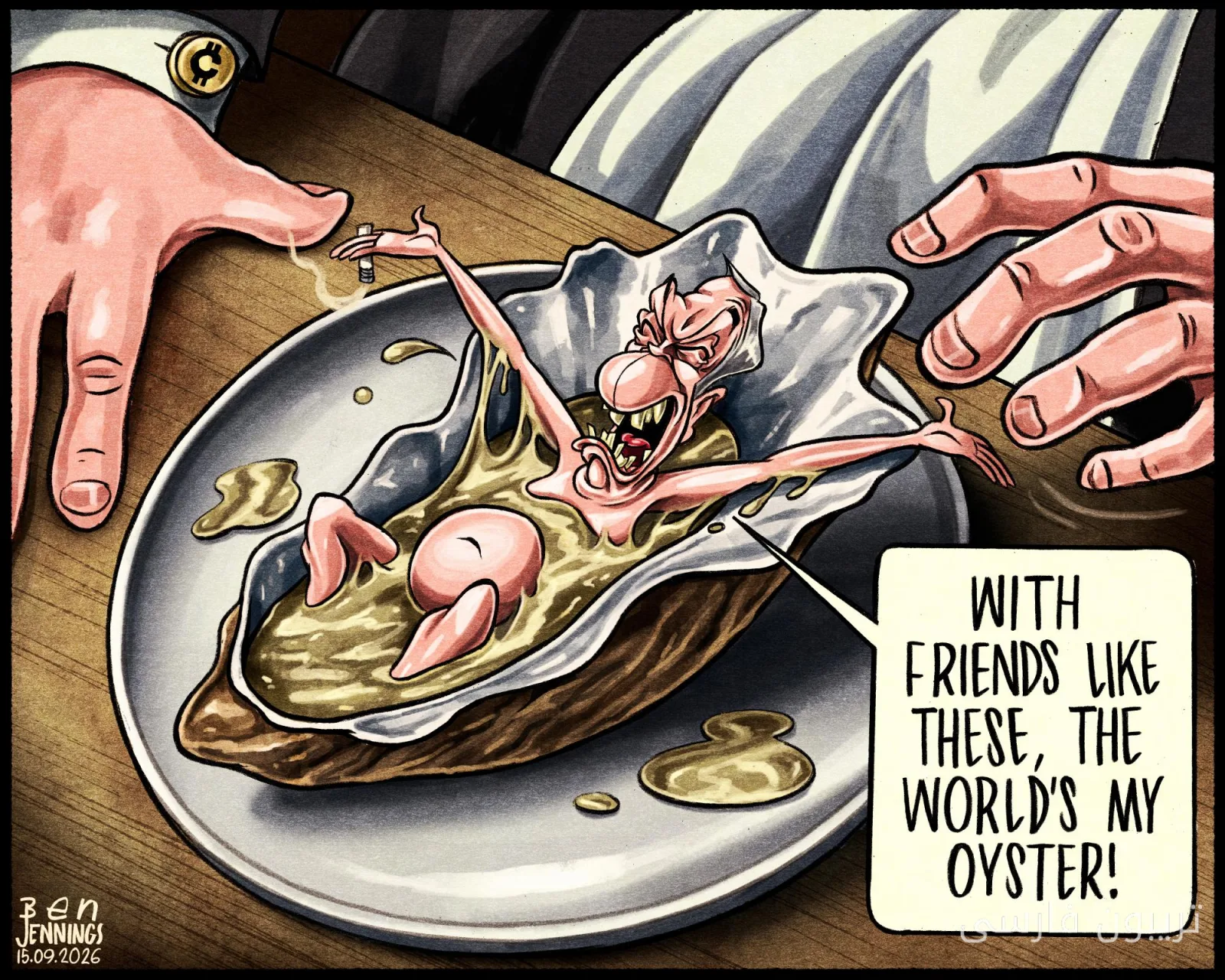
Trita Parsi, Executive Vice President of the Quincy Institute, in response to the recent attack on the Saudi pipeline, described this action as a result of a "fatal mistake" in Donald Trump's policies. He highlighted the importance of the Strait of Hormuz in global energy security, analyzing the dimensions of this event and referring to the state of regional tensions.
Analysis of Trump's Strategic Mistakes
Parsi believes that Trump's policies towards Iran, especially the withdrawal from the nuclear agreement and the imposition of severe sanctions, created an environment in which Iran sought to increase its influence in the region. These policies directly led to the creation of tensions and military conflicts in the Persian Gulf. Parsi emphasizes that such interpretations of the situation in Iran, which assume that the country has no option for escalating tensions, are a major and dangerous mistake.
Read more: Leadership in Technology Industry Determines the Future of Online Life
Consequences of the Attack and Global Energy Security
The attack on the Saudi pipeline has not only impacted the oil market but has also fueled security concerns globally. The Strait of Hormuz, as one of the most important oil transit routes in the world, means that any disruption there could lead to rising prices and instability in the global energy market. Parsi emphasizes that such attacks will have serious consequences for regional and global stability, and the international community must respond appropriately to these actions.
As tensions in the Persian Gulf have increased, officials must carefully monitor the situation and prevent similar wrong decisions. Parsi emphasizes that only by having a correct understanding of the situation and the history of tensions in the region can sustainable solutions be achieved and new crises be prevented.
Read more: Analysis of the History of Collage: From 12th Century Japan to a Trip to Sydney and Our Homes · U.S. Economic Sanctions: A Battle Beyond the Persian Gulf