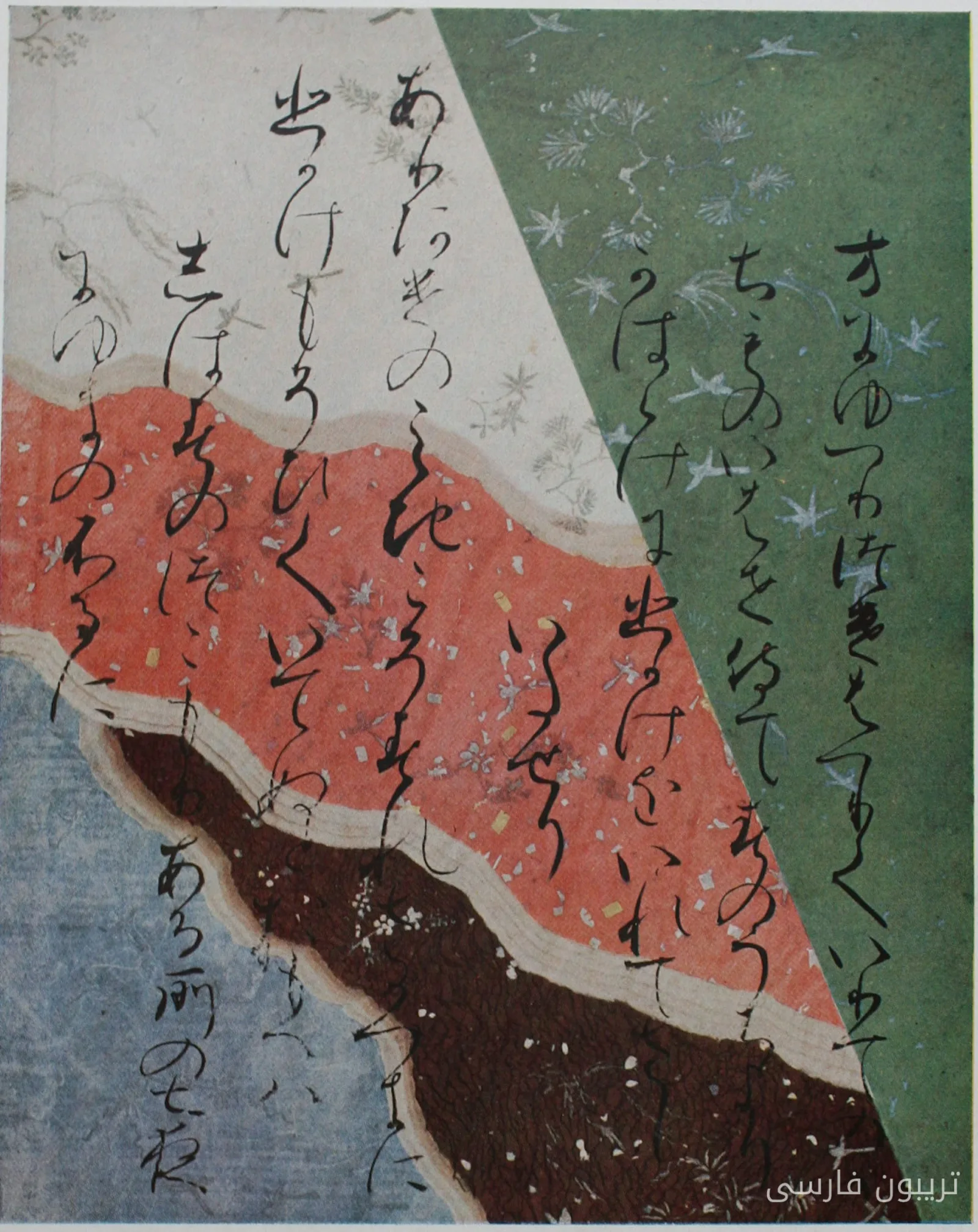
Collage, as an artistic technique in which various images and materials are glued together, has a long and meaningful history. This art, with roots dating back to the 12th century in Japan, has gradually become one of the main components of modern art. By examining the history of collage, one can gain a better understanding of its cultural and social influences.
History and Development of Collage
In the 12th century, collage was used in Japan as an artistic method for creating religious and cultural works. Over time, this technique was introduced to the rest of the world, and in the 20th century, modern artists such as Pablo Picasso and Georges Braque used it to create innovative works. These artists, by combining different elements, created diverse works and expressed complex emotions.
Today, collage is used not only in visual arts but also in graphic design and digital media. This technique allows artists to present a new and personal expression of themselves using images from the world around them. From digital collages to handmade works, this art has become one of the most popular methods for expressing creativity.
Cultural and Social Implications of Collage
As a mixed media art form, collage enables us to pay attention to the cultural and social diversity of our world. This art, by combining different elements, can reflect human experiences and the contemporary world. In Sydney and other major cities, collage is used as a tool to express social and cultural issues, allowing artists to speak on topics such as identity, migration, and social change.
Ultimately, collage is not only an artistic technique but also a tool for cultural and social communication. This art reminds us that every piece of information and experience we have can be combined in new ways to create a new story.