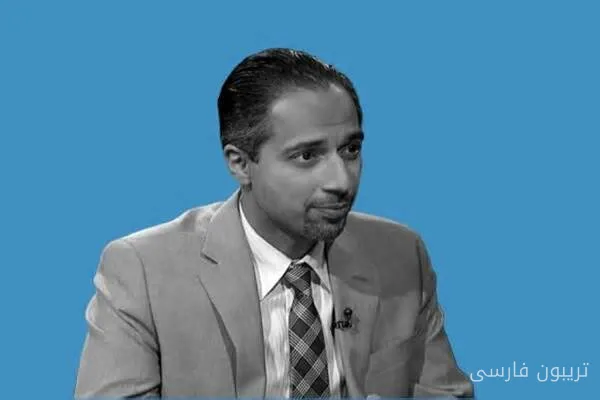
Trita Parsi, Vice President of the Quincy Institute, has conducted a new assessment analyzing the situation of U.S. military personnel stationed in the region and stated that only 2% of these forces support war with Iran. This statistic clearly indicates a deep divide among U.S. military personnel regarding their views on the likelihood of military conflict with Iran.
Widespread Opposition Among Military Personnel to War
According to the assessments made, the vast majority of U.S. military personnel in the region, especially in the Middle East, oppose war with Iran. In fact, based on Parsi's statements, 60% of these military personnel have explicitly expressed that they have no desire for military engagement. This statistic could be seen as a warning sign for political and military decision-makers in the United States, indicating a lack of necessary support from military forces for any military action against Iran.
Read more: Employers are looking for resilient employees but leaving them behind
Possible Consequences of This Situation
This situation could have wide-ranging implications for U.S. foreign policy in the Middle East. The lack of military support for war could increase internal pressures on the U.S. government and lead officials to seek more diplomatic solutions. Additionally, this conclusion may have a direct impact on U.S. military and economic strategies in the region, potentially leading to a reduction in tensions and an increase in diplomatic cooperation with Iran.
Moreover, military dissatisfaction could negatively affect troop morale and impact their operational capabilities in the event of actual conflict. If military personnel feel they are engaged in a war they do not support, their effectiveness on the battlefield is likely to decrease.
Ultimately, these statistics and the analyses conducted in this regard could be seen as a sign of a shift in U.S. military and diplomatic approaches towards Iran and other regional challenges. As tensions in the Middle East have significantly escalated, understanding the views and sentiments of military personnel could lead to better and more effective decision-making.
Read more: Europe's experiences in managing artificial intelligence and lessons from the failures of democratic internet · Why did the goals of the U.S. attack on Iran not materialize?