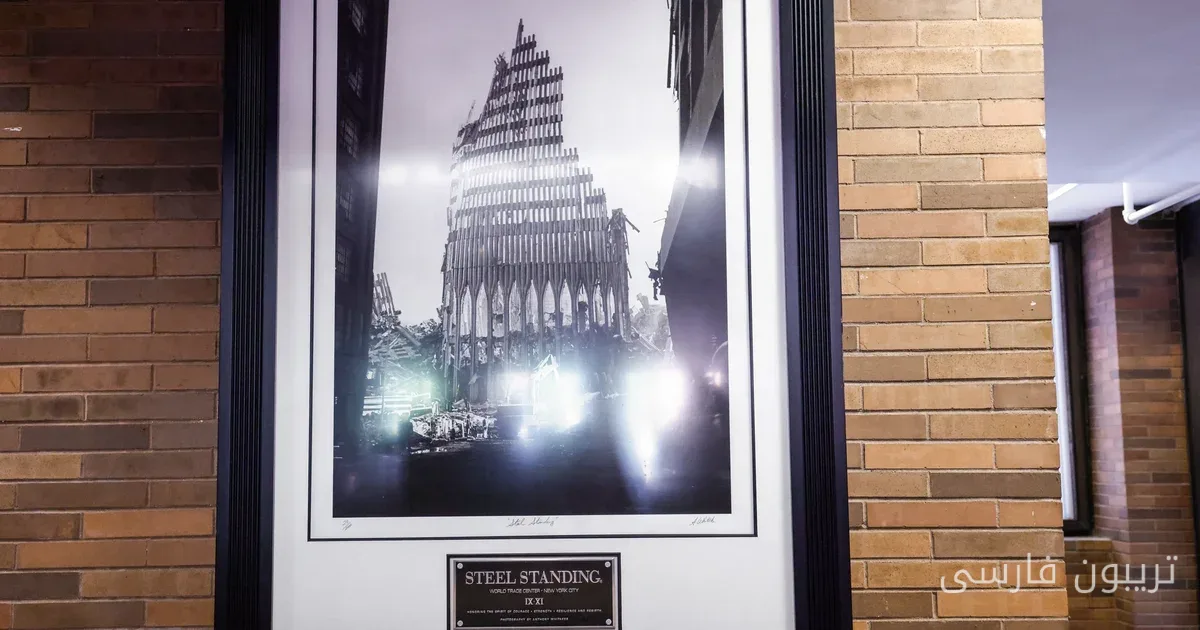
Twenty-five years have passed since September 11, 2001, and as the world recalls that bitter day, the Taliban have once again risen to power in Kabul. This return means that many questions about the changes this event brought to the global community remain unanswered.
Deep or Superficial Changes?
When we think of 2001, we remember the terrorist attacks in the United States and their consequences. This event led to the formation of endless wars in the Middle East and changes in global policies. But were these changes truly deep and lasting? With the return of the Taliban, it seems that many of the achievements gained after 9/11 are collapsing.
Global Policies and Their Consequences
The world has been divided into two groups: those who are concerned about the power of the Taliban and those who view it as a new reality. Are global policies designed to cope with this new reality? Or should we return to past strategies? It is a big question that still has no answer.
The return of the Taliban has impacted not only Afghanistan but all levels globally. Political and social observers are closely examining whether these changes signify a return to darker times or if we must adapt to this new reality.
Ultimately, 9/11 is a turning point in contemporary history that still affects the lives of millions. With the return of the Taliban, unanswered questions remain, and there is a need for deeper analysis and examination.