In today's world, millions of vulnerable people face serious shortages in terms of democracy and therefore lack access to ways to negotiate collectively about their interests. This global dilemma highlights the need for a new and creative approach.
The Role of Religious Institutions in Strengthening Democracy
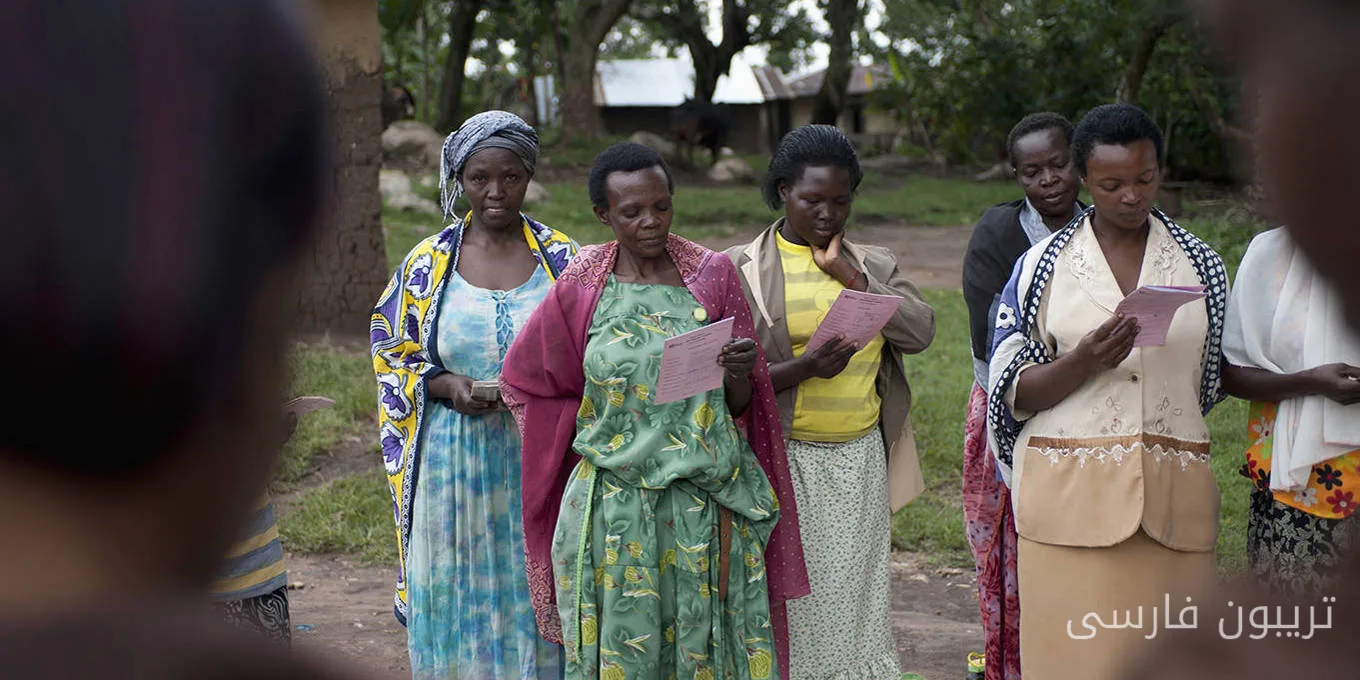
In this context, religious institutions committed to human dignity and pluralism can play a very important role in creating the necessary infrastructure for grassroots organizations. With their ability to create local connections and attract individuals towards social activities, these institutions can act as catalysts for positive change.
Given the serious challenges facing democracy globally, these institutions can support human rights and promote democratic values, paving the way for the formation of active and participatory communities. This is especially important in countries where democracy is under severe pressure.
Grassroots Organizations and the Future of Democracy
Creating local networks under the guidance of religious institutions can help amplify the voices of vulnerable communities. These voices can be influential not only at the local level but also globally. By creating a space for dialogue and exchange of ideas, these institutions can act as a bridge between governments and people, ultimately helping to improve the living conditions of individuals.
Overall, religious institutions, with their unique abilities to attract and organize people, can serve as an effective force in realizing democracy and human rights. Can these institutions emerge as a solution to democratic problems on a global scale? This is a question that needs to be answered.