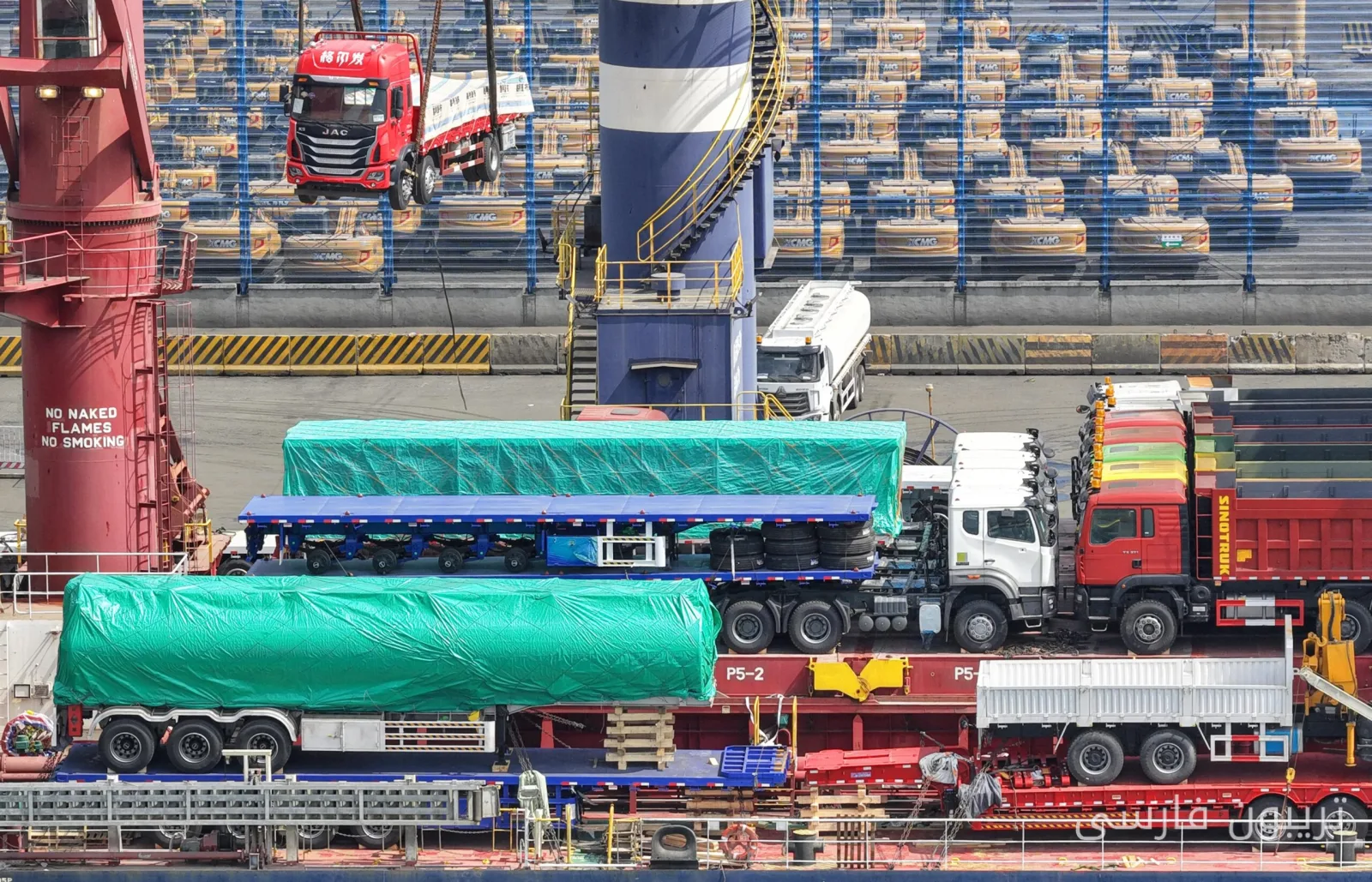
China's economic recession, recognized as the second-largest economy in the world, has significant impacts on developing economies, especially in the African continent. This recession not only affects international trade but also influences the economic and trade patterns of countries. Three African countries, including Kenya, Zambia, and Nigeria, have been particularly affected by this recession.
The Impact of China's Recession on Kenya
Kenya, as one of the advanced countries in East Africa, is heavily dependent on imports from China. With the slowdown in China's economic growth, the demand for Kenyan goods and services has sharply declined. For example, imports of Kenyan tea and coffee to China, which is one of the main markets for these countries, have decreased. This situation could lead to job losses and increased poverty in Kenya.
Read more: Why does the Bank of England subsidize profitable banks with £24 billion annually?
Zambia and Economic Challenges
Zambia has also faced similar problems. As one of the largest copper producers in the world, this country has been affected by the decline in China's demand for copper. China, as one of the largest importers of Zambian copper, has challenged Zambia's economy with reduced demand for this mineral. This decrease in demand could lead to reduced government revenues and serious financial issues.
Nigeria and Changes in Trade Patterns
Nigeria, the largest economy in Africa, is also significantly impacted by China's recession. This country relies on oil exports to China, and a decrease in China's demand for Nigerian oil could lead to reduced foreign exchange revenues and financial problems for the government. In this situation, Nigeria must seek new markets and diversify its economy.
Overall, China's economic recession has not only affected the economies of these three countries but also indicates broader changes in the trade and economic patterns of the African continent. These countries need to adopt new strategies to cope with these challenges and seek to find new markets and diversify their economies. The consequences of these changes could redefine the economic relationships of the African continent with China and also with other countries.
Read more: Continuation of Iranian banks' activities in Dubai despite U.S. pressures · Iceland, the first British brand in the Falkland Islands