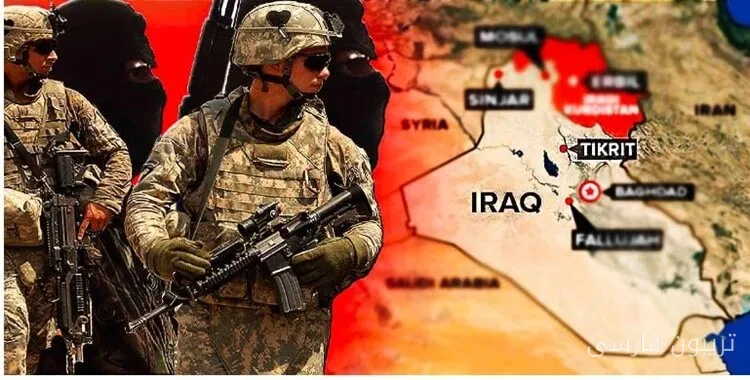
The operation known as "Resolute Resolve" will soon come to an end, and the last American forces will leave Iraq by September 30. This withdrawal, occurring after two decades of military presence in Iraq, is not only seen as a milestone in U.S. military history but also a major achievement for Iran and the resistance front.
Strategic Consequences of the U.S. Withdrawal
The withdrawal of American forces from Iraq could have profound strategic consequences for the region. This action signifies a weakening of U.S. influence in the Middle East and an increase in the power of local actors, particularly Iran. With the departure of American forces, Iran and resistance groups can continue their activities with greater freedom and expand their influence in Iraq.
On the other hand, this withdrawal also represents a failure for the United States in achieving its goals in Iraq. After two decades of war and enormous costs, it now seems that this country is forced to leave a region it has never been able to fully control.
The Future of Iraq in the Shadow of Foreign Troop Withdrawal
With the withdrawal of American forces, Iraq's future is shrouded in uncertainty. Can this country achieve stability and peace, or will it face increased tensions and conflicts? Additionally, this issue could impact Iran-Iraq relations and lead to new developments in the country.
Overall, the end of the U.S. military presence in Iraq can be viewed as a major victory for Iran and the resistance front. Now it remains to be seen what effects these changes will have on the political and military equations in the region and whether Iraq can become an independent and stable country.