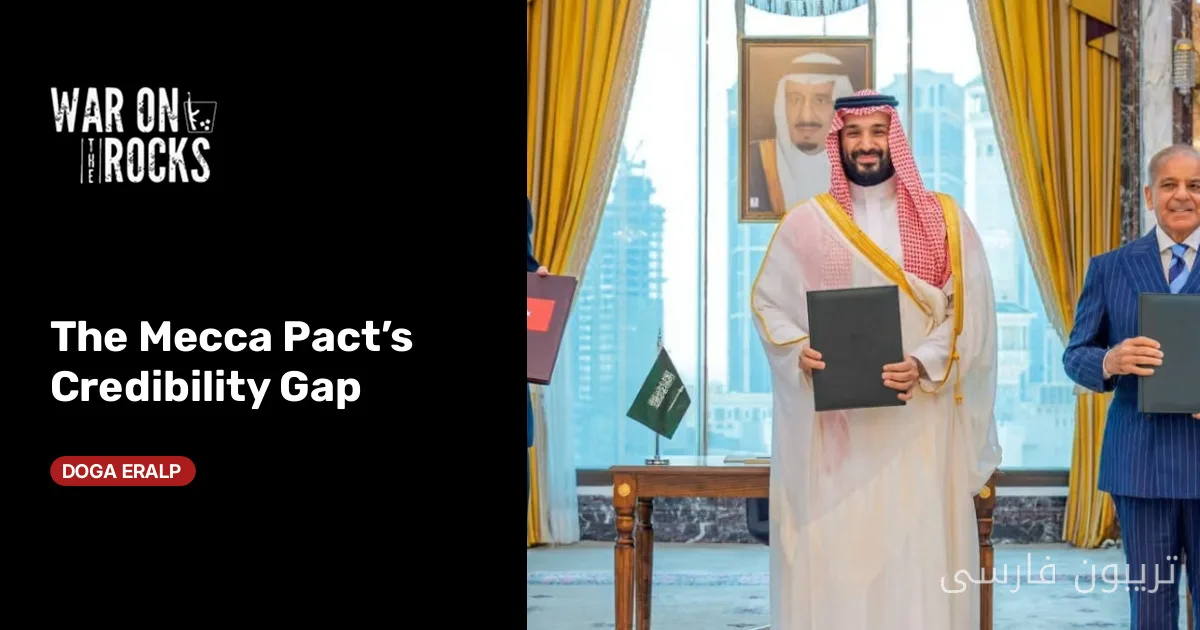
The Mecca Agreement, recognized as a historic event aimed at improving relations among Muslim countries, is currently facing serious challenges. While many view this agreement as an opportunity to create stability in the Middle East, its credibility gap is clearly visible.
Challenges Facing the Mecca Agreement
The Mecca Agreement was initiated to strengthen cooperation among Islamic countries and reduce regional tensions. However, over time, many questions have arisen regarding the implementation of this agreement and its outcomes. Criticism of this agreement largely stems from a lack of transparency and the incomplete fulfillment of promises related to key issues such as security and economic development.
In fact, many countries have refrained from joining this agreement due to a lack of trust in one another. This issue has created rifts in relations among Islamic countries and makes it difficult for the ambitious goals of the Mecca Agreement to be realized.
The Future of the Mecca Agreement and Its Impact on the Middle East
If the Mecca Agreement fails to deliver on its promises, its consequences could affect regional stability. A failure in this agreement could lead to a loss of trust among Islamic countries and ultimately result in increased tensions and instability in the Middle East.
Therefore, for the Mecca Agreement to become an effective reality, serious and genuine actions are needed to improve relations among Islamic countries. Otherwise, this agreement will merely be a piece of paper that remains in history without having a real impact on the stability and progress of the region.