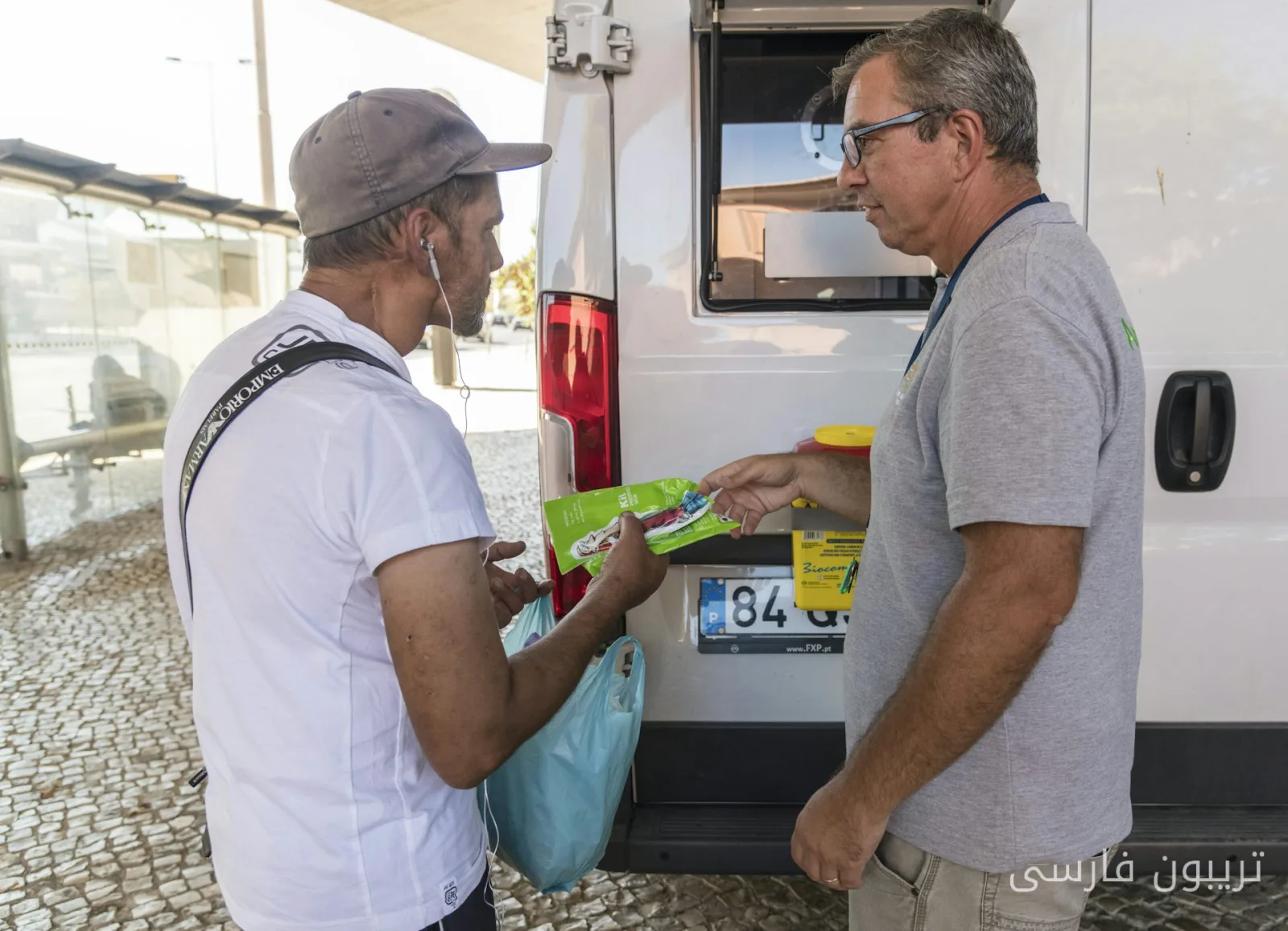
Portugal decided to decriminalize drugs in 1999, and this action not only sparked significant controversy but also emerged as a successful model on a global scale. While many countries sought stricter approaches to combat addiction, Portugal concluded that a more humane and public health-based approach was necessary.
Historical and Social Background
In the late 1990s, Portugal faced a drug addiction crisis. The addiction rate in the country had risen to such an extent that it compelled the government to take urgent measures. In response to this crisis, the Portuguese government decided to create a new policy that considered drug use as a health and social issue rather than punishing and imprisoning individuals with addiction.
Read more: Continuation of Global Climate Change Negotiations Focusing on Key Challenges
Benefits of Decriminalization Policy
One of the main benefits of this policy was the reduction in drug-related mortality rates. By providing health and treatment services to addicted individuals, Portugal was able to significantly decrease the number of deaths. Additionally, this approach led to a reduction in drug-related crime, as addicted individuals were encouraged to seek treatment and rehabilitation instead of imprisonment.
Furthermore, educational and awareness programs about the harms of drugs were provided to the community, which helped reduce drug use among young people. This policy also allowed individuals with addiction to access treatment services with minimal barriers.
Social and Economic Consequences
The social and economic impacts of this policy have been widely recognized. The reduction in addiction rates has meant an increase in the workforce and a decrease in costs related to treatment and crime. This not only helped improve the quality of life for individuals with addiction but also significantly contributed to the country's economic growth.
Some analysts believe that this model can be used as a template for other countries. In a world where many countries still rely on strict methods to combat addiction, Portugal's experience can serve as a successful example of policies based on humanity and public health.
Conclusion
By deciding to decriminalize drugs 25 years ago, Portugal not only implemented an innovative policy at the national level but also became a model for other countries. This experience shows that humane and public health-based actions can help reduce the social and economic harms caused by addiction. As a result, this policy is recognized as a successful model globally and can pave the way for positive changes in addiction policies in other countries.
Read more: Increase in Islamophobia in Britain and Dangerous Negligence of Politicians · Nile Gold: Food Crisis in Sudan and Destruction of Fertile Lands