Pimple patches, which have recently gained significant popularity, are introduced as a quick solution for improving the appearance of pimples. These patches are primarily developed based on hydrocolloid dressing technology, which was previously used in wound care. But are these products really effective?
Pimple Patches and How They Work
Pimple patches are specifically designed to absorb fluids from pimples. These patches use a substance called hydrocolloid to absorb moisture and aid in wound healing. When you press the patch onto a pimple with a visible head, this substance absorbs fluids such as pus, oil, and dead skin cells from the pores and retains them within itself.
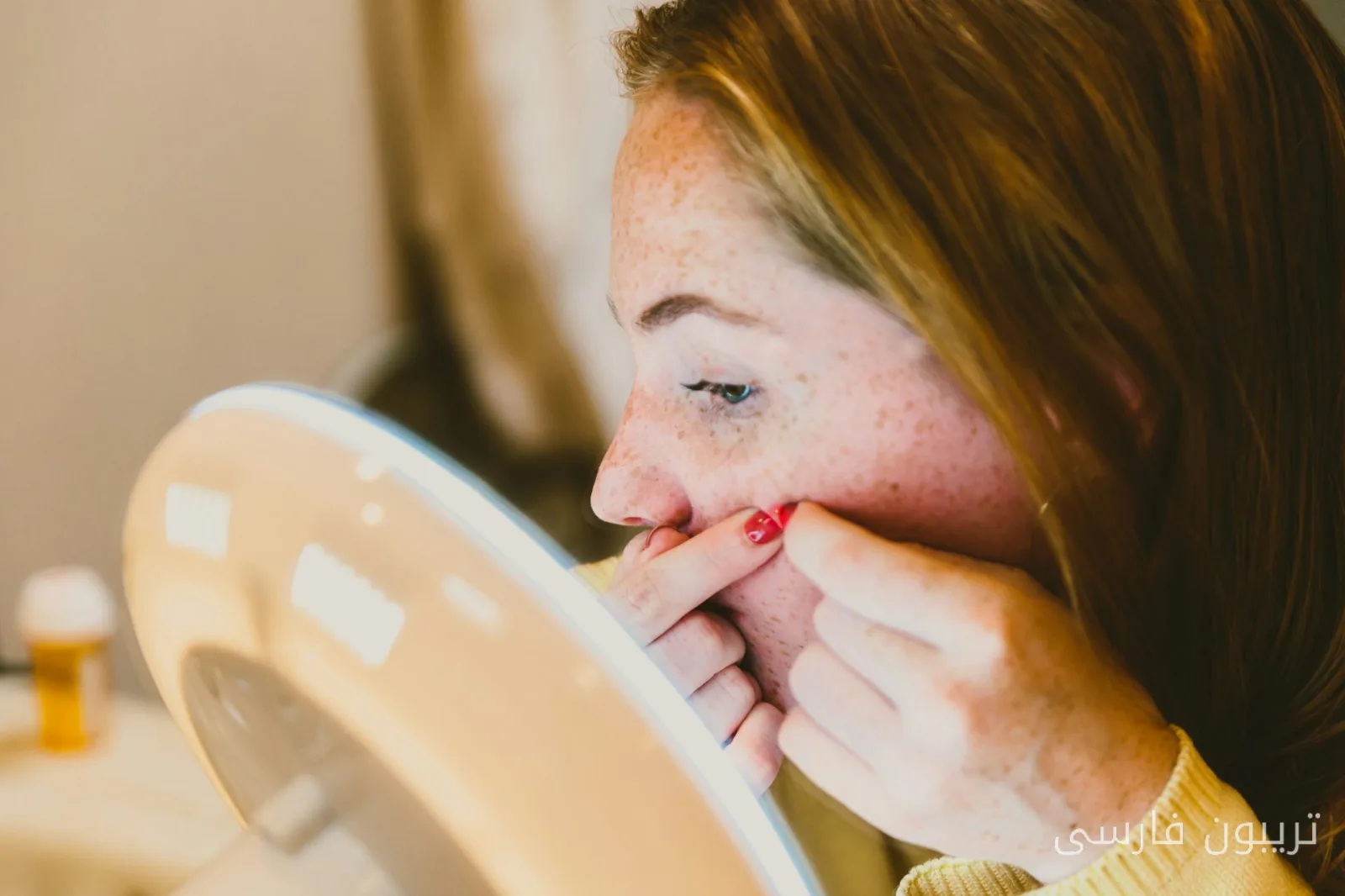
Pimple patches also act as a physical barrier. These patches cover the pimple and prevent manipulation, which can lead to increased infection and inflammation. Some of these patches contain medicinal ingredients like salicylic acid that help reduce inflammation and control acne-causing bacteria.
Limitations and Scientific Evidence
Despite the popularity of pimple patches, scientific evidence regarding their effectiveness is still limited. A systematic review in 2025 showed that most evidence related to hydrocolloid patches pertains more to wound care rather than acne treatment. Among the few studies on pimples, many were small and industry-sponsored, which may affect the results.
Research has shown that patches are generally more effective on pimples with a visible head. While for deep and painful pimples, these patches cannot penetrate deeply into the skin and address inflammation. Additionally, individuals with darker skin should exercise caution, as irritation can lead to the formation of darker spots after the pimple heals.
Although pimple patches can be useful for treating mild and superficial pimples, if the pimples are deep and painful or do not improve after a few weeks of treatment, it is better to consult a doctor. The doctor can suggest more appropriate treatment options and refer to a dermatologist if necessary.