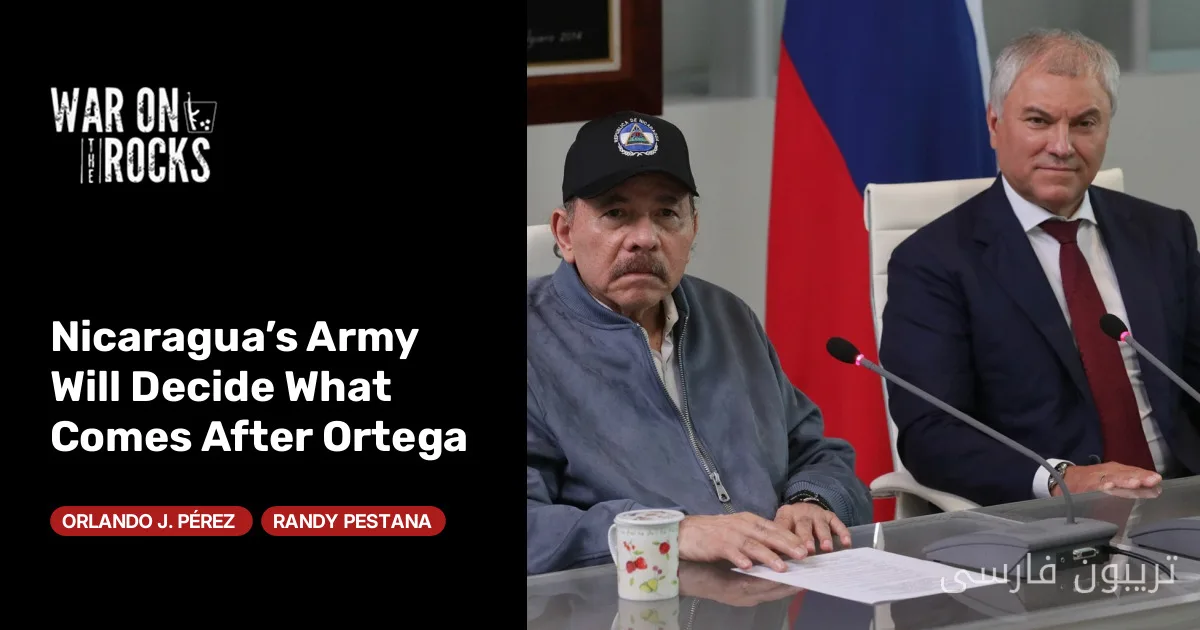
Nicaragua is rapidly moving towards a profound transformation in its political structure; a transformation in which the army of this country is recognized as a key player. Recently, General Julio Cesar Aviles, the commander of the Nicaraguan army, announced the army's firm support for legal reforms during a special session with the special constitutional commission, which will directly lead to the end of competitive elections and the strengthening of military power.
Army's Support for Legal Reforms
In this session held on July 29, 2026, Aviles, representing the General Command, the Military Council, and all ground, naval, and air forces under his command, elaborated on this support. This action clearly indicates the changes that are taking shape in Nicaragua and could lead to the consolidation of military power against civil institutions.
Five years ago, Aviles committed to deploying 15,000 military personnel to maintain security and order during the 2021 elections at a ceremony held for distributing ballots. Now, with fundamental changes in the constitution, it seems that the army will act not only to protect elections but as a decision-making entity in the political process.
Nicaragua's Future in the Hands of the Army
These changes not only steer Nicaragua towards a non-competitive political system but also raise the question of whether the army can act as an independent and impartial entity in future changes. Given Nicaragua's military history, these concerns seem justified.
Considering these developments, it appears that Nicaragua is on the brink of a political revolution in which the army will not only be a supporter but also an active player in determining the political fate of the country. These developments will undoubtedly impact Nicaragua's future, and it remains to be seen which direction the country will take.