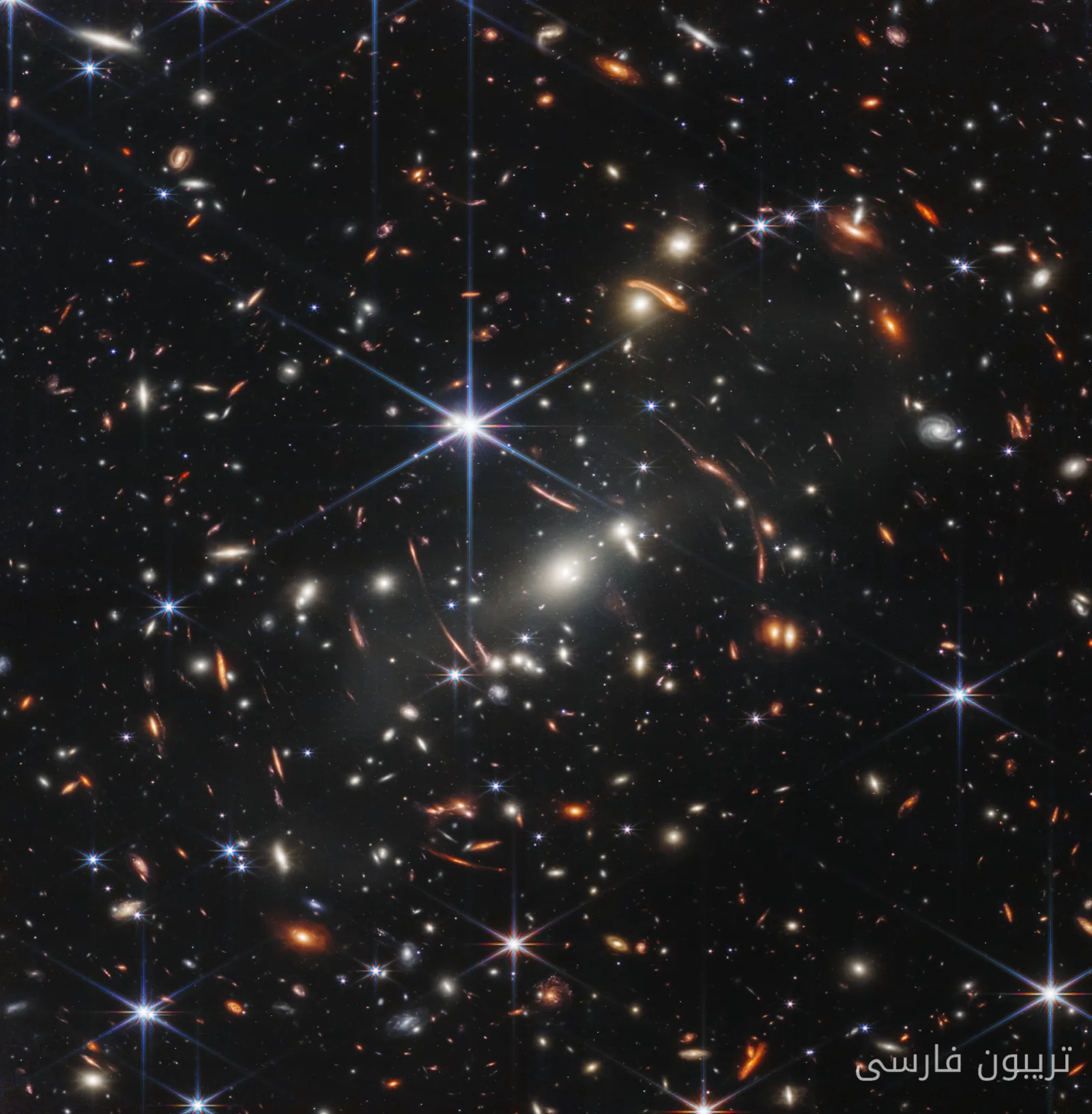
The NASA Roman Space Telescope, as one of the important projects of this organization, is designed to discover distant planets and analyze galactic structures. This telescope uses the phenomenon of gravity as a magnifying glass to focus the light that reaches us from distant objects. This method, especially when objects are significantly far away, can lead to the discovery of new details about them.
Design and Functionality of the Roman Telescope
The Roman Telescope, using techniques such as gravitational lenses, is capable of receiving light from stars and planets from very distant locations. This technique is known as "gravitational lensing" and operates based on Einstein's general theory of relativity. In this method, the gravity of a large object like a galaxy bends the light from more distant objects, allowing us to observe them with greater clarity. This capability is particularly valuable when telescopes face visibility limitations.
Read more: Challenges of Data Centers in Australia and Their Impact on the Future of Technology
Implications of the Roman Telescope's Discoveries
Discovering new planets and examining their characteristics can help us understand life in other parts of the galaxy. These achievements are significant not only for the scientific community but also for the general public. Understanding whether there is other life in the galaxy is one of humanity's greatest questions, and the Roman Telescope could provide us with new answers. Additionally, this technology could aid in the development of innovative technologies in the field of space and intergalactic communications.
Given the advancements made in this project, the Roman Telescope is expected to become one of the key tools in discovering and analyzing the universe in the coming years. It is hoped that by utilizing this technology, humans can achieve a deeper understanding of the universe and their place within it.
Read more: UK Government: Turning Off Artificial Intelligence is Impossible! · European Space Challenge: 10 Billion Euros to Break America's Dominance