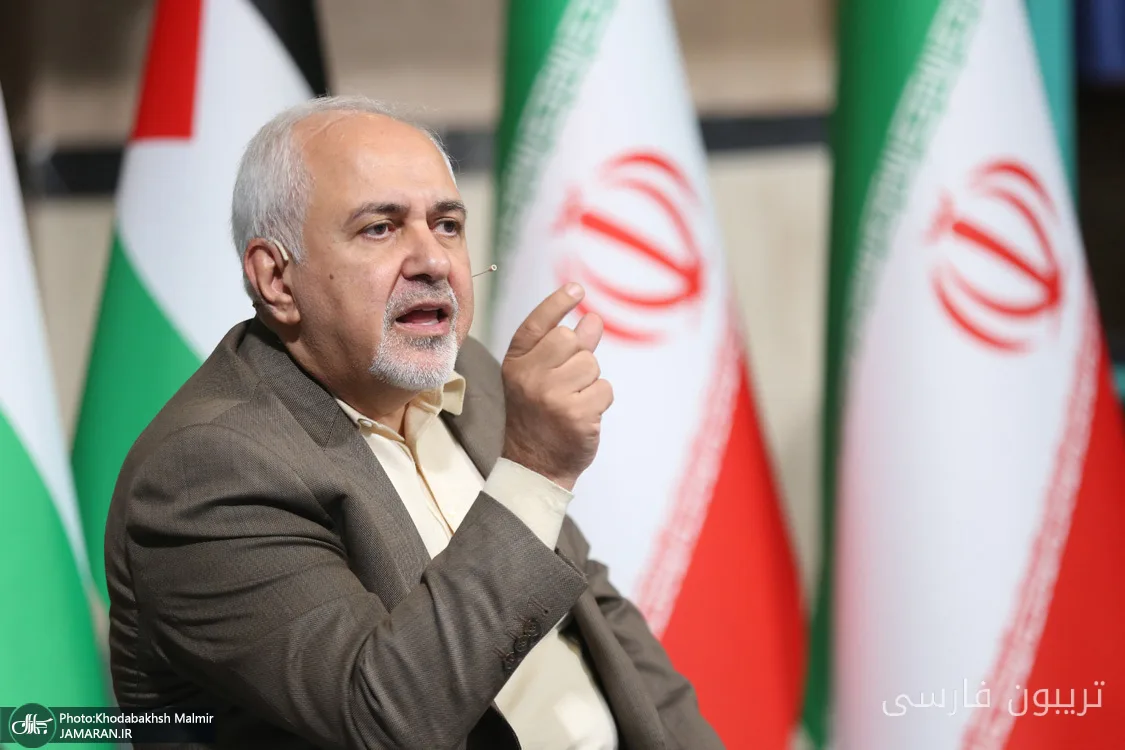
Mohammad Javad Zarif, former Minister of Foreign Affairs and head of the Payab think tank, in statements made on Tuesday, September 24, referred to the war crime committed by the U.S. in Lamerd and emphasized the importance of international law in this regard. As a diplomat and expert on international issues, he reminded the international community of its duty regarding such crimes and noted that there is no justification for these actions.
Dimensions of the War Crime in Lamerd
The war crime in Lamerd has been regarded as a key event in the history of international relations, especially in the context of human rights and international law. Zarif pointed out that war crimes and crimes against humanity will not only be forgotten over time, but must also be pursued seriously. According to international law, those responsible for these crimes must be brought to justice.
Read more: Analysis by Writers on the Emmy Awards and the Future of Television
Consequences of Impunity
Failure to hold accountable for war crimes can have profound consequences for the international community. Zarif emphasized that if the international community does not respond to these crimes, it could lead to increased distrust among countries and weaken the international legal system. According to him, these events will be dangerous not only for the victims of these crimes but also for the future of global stability.
Ultimately, Mohammad Javad Zarif, referring to individual criminal responsibilities, called for decisive action from the international community against these crimes. He reminded that political narratives or military justifications cannot diminish the responsibility of those who commit war crimes or exempt them from accountability. These statements could serve as a wake-up call for international institutions and governments to pay more attention to these issues.
Read more: Establishing a Funding Mechanism for Civil Society Organizations in Canada · Iran and the Convention on the Legal Regime of the Caspian Sea; From a 20% Share to a Regulatory Model