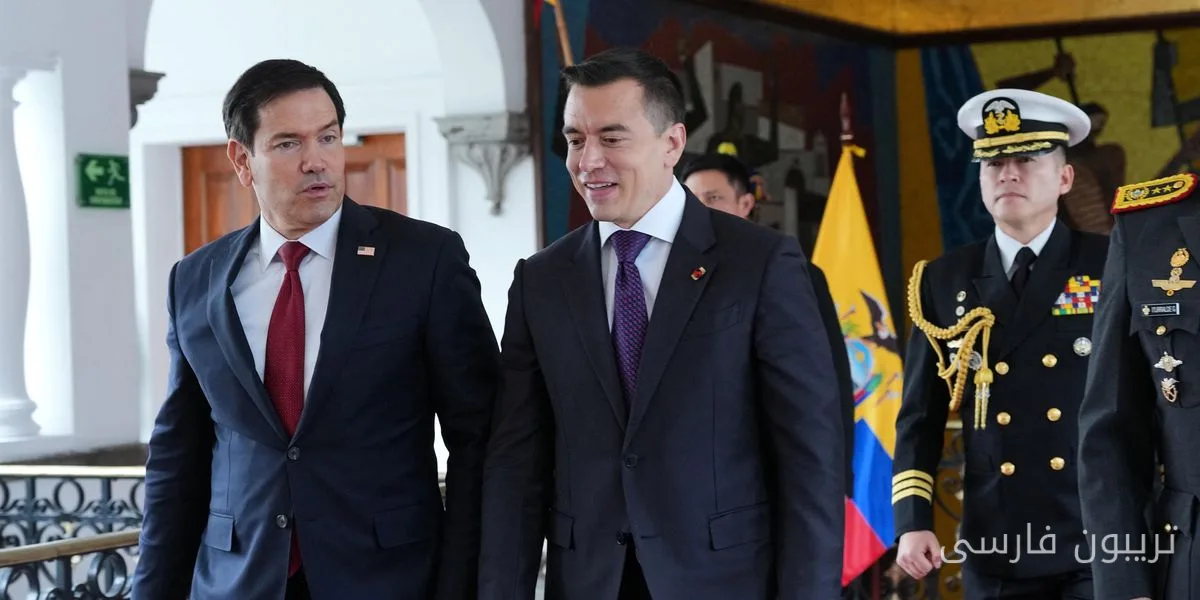
Marco Rubio, the Republican senator from Florida, recently emphasized the Monroe Doctrine at a large gathering in Latin America, attempting to strengthen the role of the United States in the region. He stated that "Latin America should be recognized as a strategic region for the United States," referencing the existing challenges in international relations and the threats posed by the influence of China and Russia.
New Challenges in an Old Doctrine
The Monroe Doctrine, traditionally based on preventing foreign powers' influence in the Western Hemisphere, now faces new realities. Rubio highlighted the political and economic developments in various Latin American countries, including Venezuela and Cuba, stressing that the United States must adopt a new approach to respond to these challenges.
At this gathering, Rubio referred to the historical role of the United States in supporting democracy and human rights in Latin America and discussed the necessity of strengthening cooperation with friendly countries in the region. He also pointed out the need for investment in economic and social projects to improve the living conditions of the people.
The Future of the Monroe Doctrine
However, some critics noted that the Monroe Doctrine can no longer serve as an effective solution to today's challenges. They believe that the U.S. needs to reassess and revise its policies towards Latin America and should seek to establish reciprocal and long-term relationships with the countries in this region instead of relying on old approaches.
Ultimately, Marco Rubio's gathering in Latin America reflects his efforts to revive the Monroe Doctrine and emphasize the importance of this region for the United States. But can this approach still be effective in today's world?