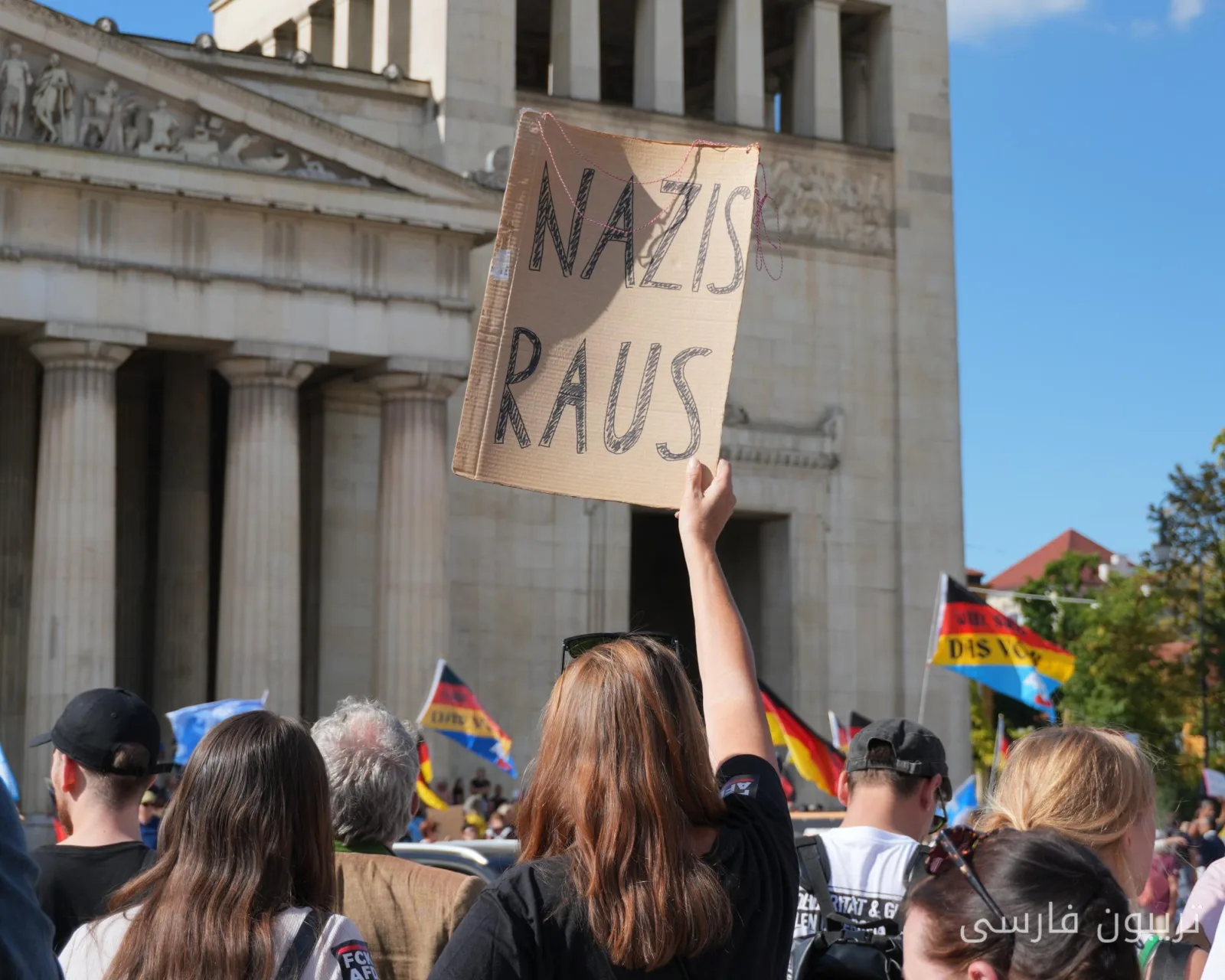
Germany is facing serious challenges due to the rising power of the far-right Alternative for Germany (AfD) party. With its recent victories in the Saxony-Anhalt state elections, the party has once again drawn global attention. But should there be a push to ban this party, or should another approach be taken?
Historical and Political Background
Germany's history is intertwined with two dictatorships and two world wars. This background takes on particular significance regarding threats posed by extremist parties. The phrases and language used by the AfD remind many of Nazi rhetoric, raising serious international concerns. Additionally, as a central power in Europe, any changes in Germany's policies could have widespread consequences for the European Union.
Read more: Tension Over the Memory of Diana: Charles III and Earl Spencer's Reaction
Democratic Challenges and Solutions
Currently, Germany must provide solutions to defend its democracy against extremism. One approach is to legally restrict the activities of the AfD and politically counter it. Some German politicians have called for action to ban the AfD, but this action seems to be too late. The AfD has become a major force in the German parliament, and banning this party would be seen as an attack on the democratic rights of voters.
As a federal republic, Germany has multiple legal and political systems designed to prevent the emergence of dictatorships. This system must operate in a way that prevents any unconstitutional behavior. Article 37 of the German Constitution grants federal authorities the right to annul unconstitutional actions by the states. This article could be utilized in the face of the AfD's rise to prevent the party's influence on governmental and judicial institutions.
In the meantime, a political response is also of great importance. Some political parties, such as the Christian Democratic Union, are seeking to engage with the AfD to expose its weaknesses. However, evidence suggests that the strategy of including the AfD in the political process may strengthen this party. Therefore, parties should focus on their strengths and design their policies to address the real needs of society.
Ultimately, Germany must simultaneously confront the AfD through legal and political means while developing and strengthening its democracy. Establishing a sustainable social economy that responds to external challenges can serve as an effective solution against internal threats. Given global challenges, including Russia's aggression and technological developments, Germany must continue to uphold democracy and human rights as a central power in Europe.
Read more: Military Must Say No to Trump · Gordon Brown: The Need for Financial Restrictions in British Politics