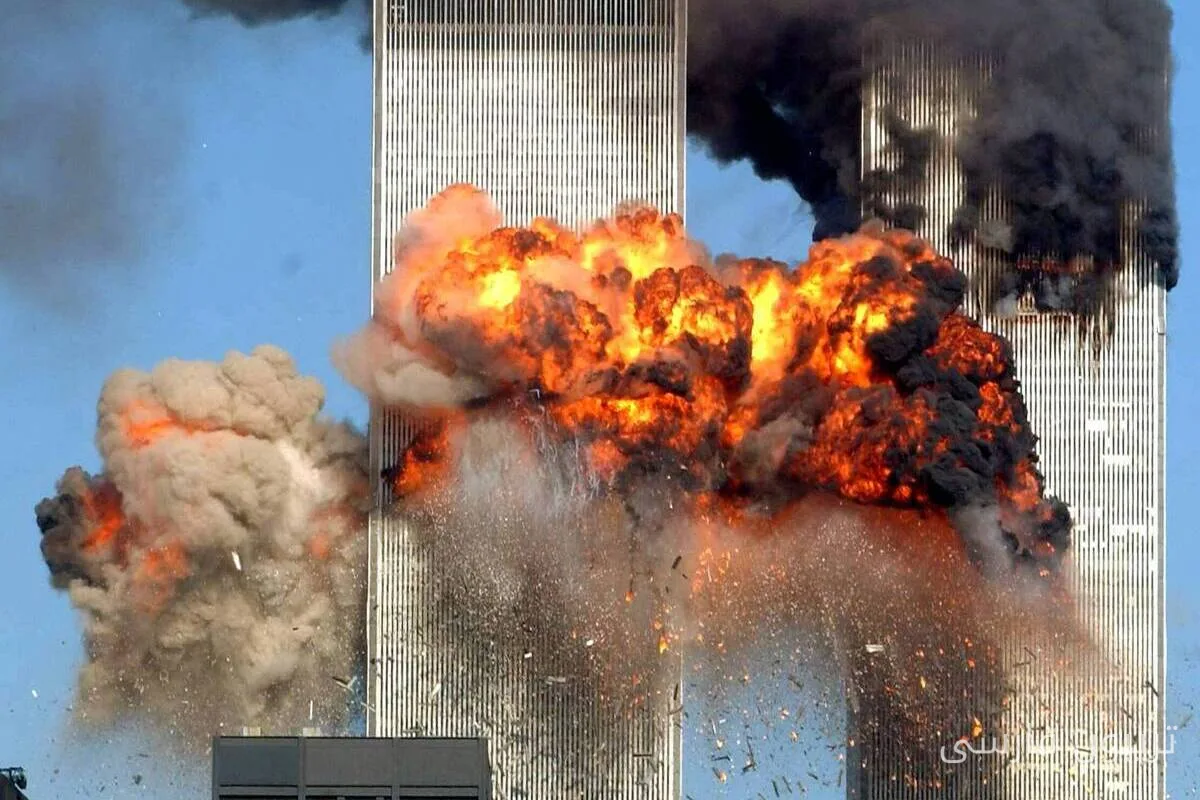
No event has transformed the geopolitical landscape of the Middle East as profoundly as September 11, 2001. The terrorist attacks in New York and Washington not only created a security crisis for the United States but also marked the beginning of a new era of tension and conflict in the Middle East.
Military and Political Consequences
The September 11 attacks prompted the United States to quickly seek revenge. This initiated military wars in Afghanistan and then Iraq. With the entry of U.S. military forces into these countries, it was believed that democracy and stability would be established in the Middle East; however, in reality, these wars not only failed to stabilize democracy but also led to greater instability and crises.
New U.S. policies in the Middle East, including the “War on Terror” strategy, led to the emergence of extremist and terrorist groups such as ISIS. These groups quickly arose in the wake of the power vacuum and unrest caused by the U.S. wars, challenging the region.
Social and Cultural Impacts
In addition to military consequences, September 11 had profound effects on the social and cultural lives of people in the Middle East. The rise of Islamophobia and discrimination against Muslims in Western countries led to social and cultural transformations that are still ongoing. These issues have caused social relations among cultures and nations to become more strained.
Overall, September 11 is not just a day on the calendar; this event marked the beginning of a deep and lasting change in the Middle East and international relations. Since then, various countries have faced new challenges that they are still grappling with.