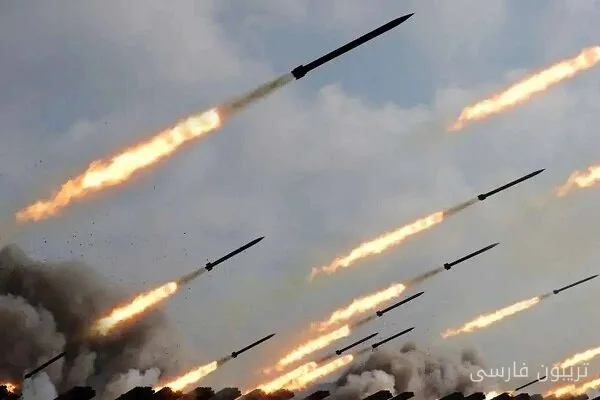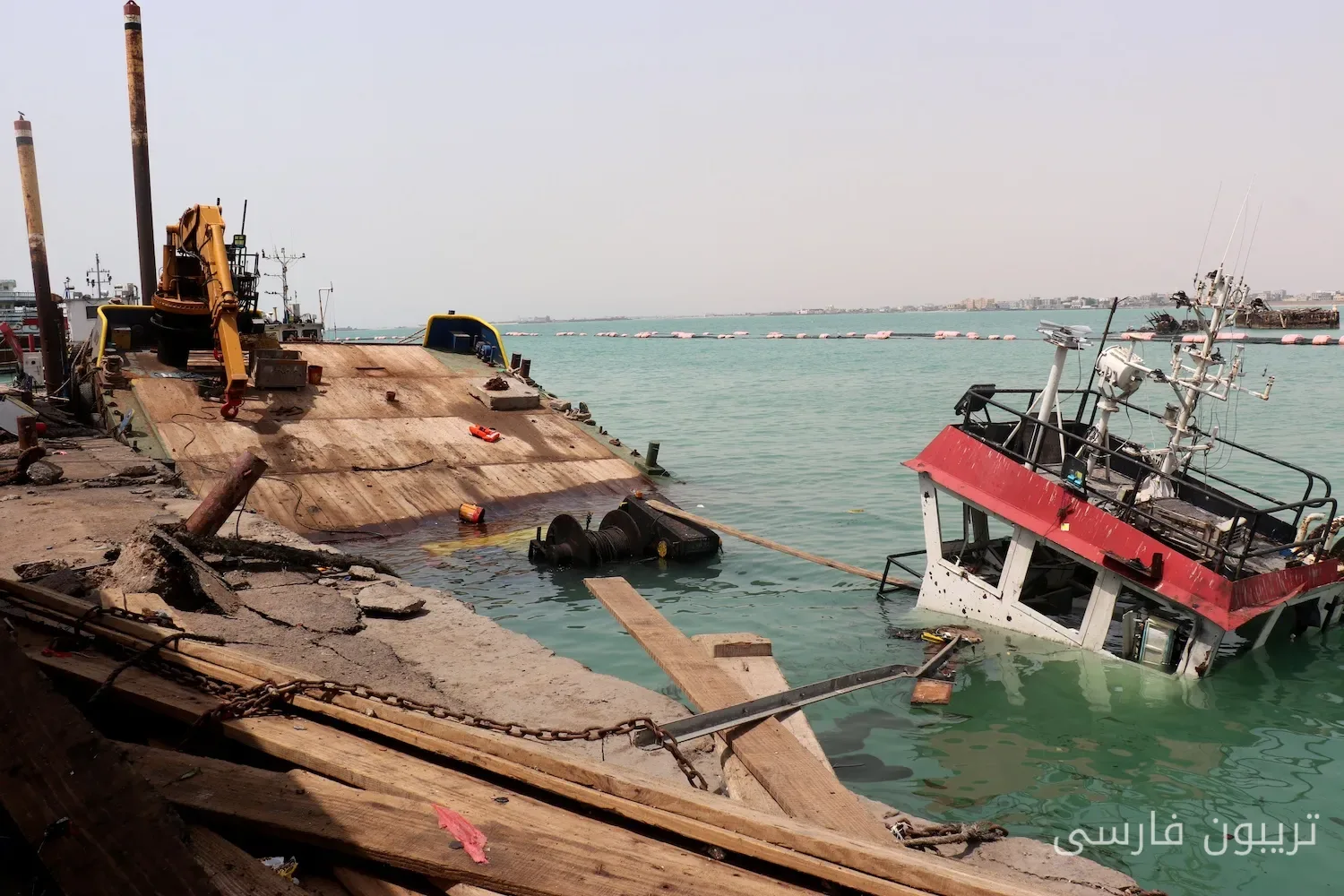
Following the Houthi control over the strategic Red Sea port, Tehran has once again moved closer to one of its key objectives in maritime navigation. This port, located in one of the busiest waterways in the world, serves as a gateway for the movement of goods and energy resources and is now under the control of Houthi forces.
Global and Regional Impacts
Control over this port could allow the Houthis and their Iranian allies to influence trade and energy flows in the Red Sea. This waterway, which establishes a direct connection between the Indian Ocean and the Mediterranean Sea, is indeed considered one of the main hubs of global trade. Given these conditions, the Houthis are positioning themselves as a major player in these international equations.
These developments not only affect Iran's position in the Middle East but could also lead to the formation of a new order in the region. Some analysts believe that Houthi control over this port could provide a new battleground for global powers and escalate existing tensions in the area.
The Future of Waterways
As the Houthis continue their control over this port, questions arise regarding the reactions of neighboring countries and global powers to this situation. Will these developments lead to increased tensions and military conflicts, or can diplomacy find a solution to prevent the escalation of crises?
It remains to be seen whether the Houthis can effectively capitalize on this gained advantage or if this control will soon turn into a challenge for them. In any case, the future of the Red Sea and its waterways will be significantly influenced by these developments, and we must wait to see where this story will lead.