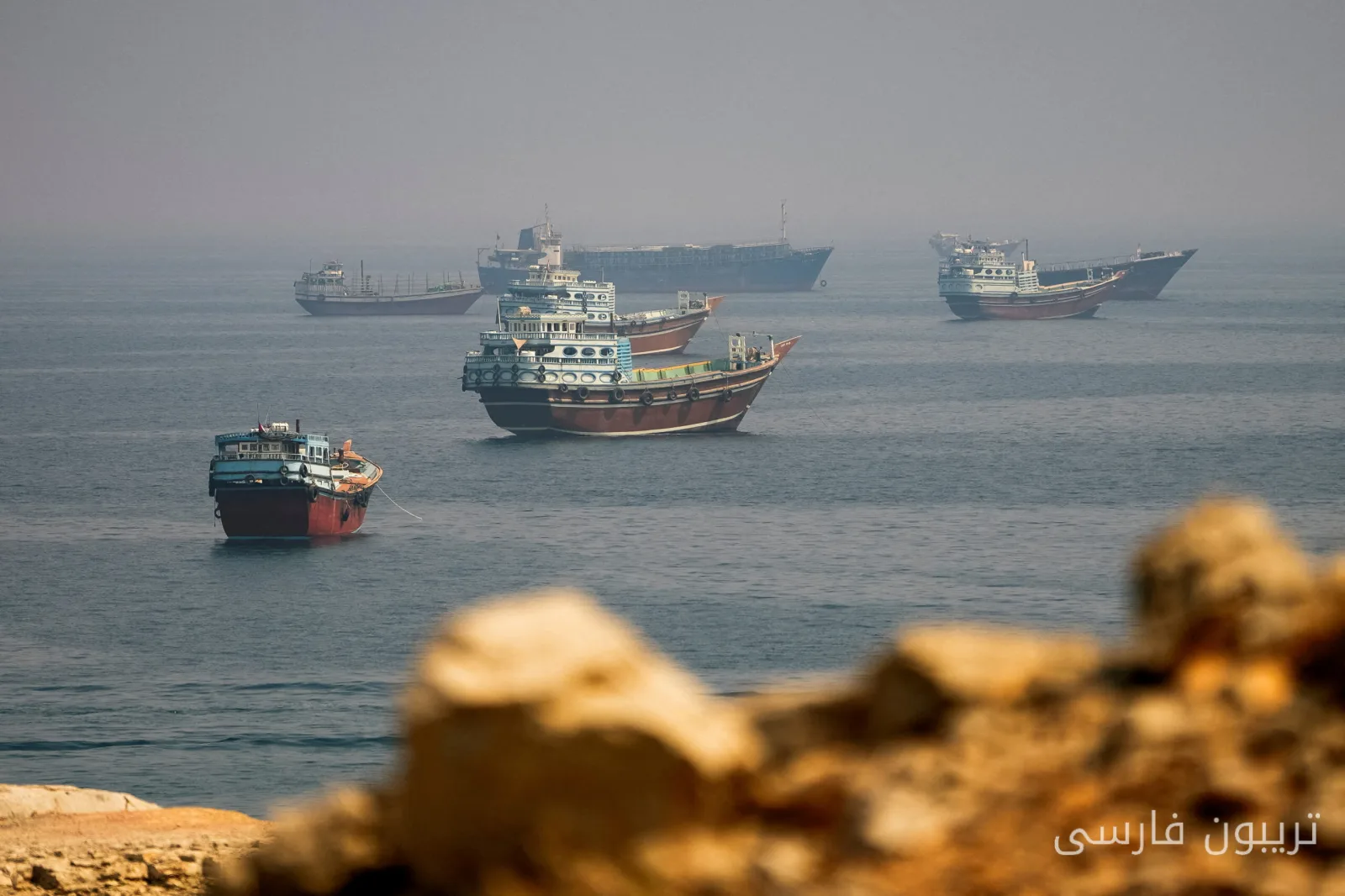
The Hormuz Strait, as a strategic point in the global energy geography, is at a deadlock. While conflicts in the Gulf and beyond continue, U.S. President Donald Trump has announced that his war with Iran will not end until after the midterm elections in November. This situation has severely reduced the traffic of ships in this strait, so that currently only a limited number of ships pass through this waterway daily.
U.S. Military and Economic Pressures
For about six months, the United States has been trying to pressure Iran to reopen the Hormuz Strait through severe military and economic measures. However, it is still unclear whether these pressures can force the Quds Force of the Islamic Revolutionary Guard Corps to change its behavior. Oman, as a U.S. ally, has recently initiated negotiations with Iran to reopen the Hormuz Strait, which has repeatedly faced Trump's threats.
Read more: Educational reforms in Northern Ireland limit children's language learning
Need for a Regional Cooperation Mechanism
Iran has recently established the "Hormuz Gulf Organization," aimed at creating unilateral control over the Hormuz Strait by imposing high tariffs on ships. While this action may be established as a reality on the ground, the Gulf states must create a regional cooperation mechanism that includes all coastal countries. This mechanism could serve as a multilateral framework for managing the strait and addressing technical issues such as marine environmental protection and navigation safety.
The latest oil spills off the coasts of Iran and Oman could serve as a natural turning point and clearly demonstrate the necessity of cooperation in this area. The background of cooperation in this field can be shaped based on a regional organization for marine environmental protection. These initial cooperations in the field of marine protection can build trust and pave the way for resolving more complex issues in the future.
Considering that the Hormuz Strait is a natural waterway, mandatory tariffs may violate international laws. However, voluntary contributions to cover costs are possible. This mechanism could help Iran gain a larger share of the resources of this cooperation while providing Iranian officials with an option to maintain their reputation.
Read more: Getting rid of the burden of vegetables: the experience of Rihenon Lucy Castle · Trita Parsi: ٦٠% of U.S. military forces oppose war with Iran