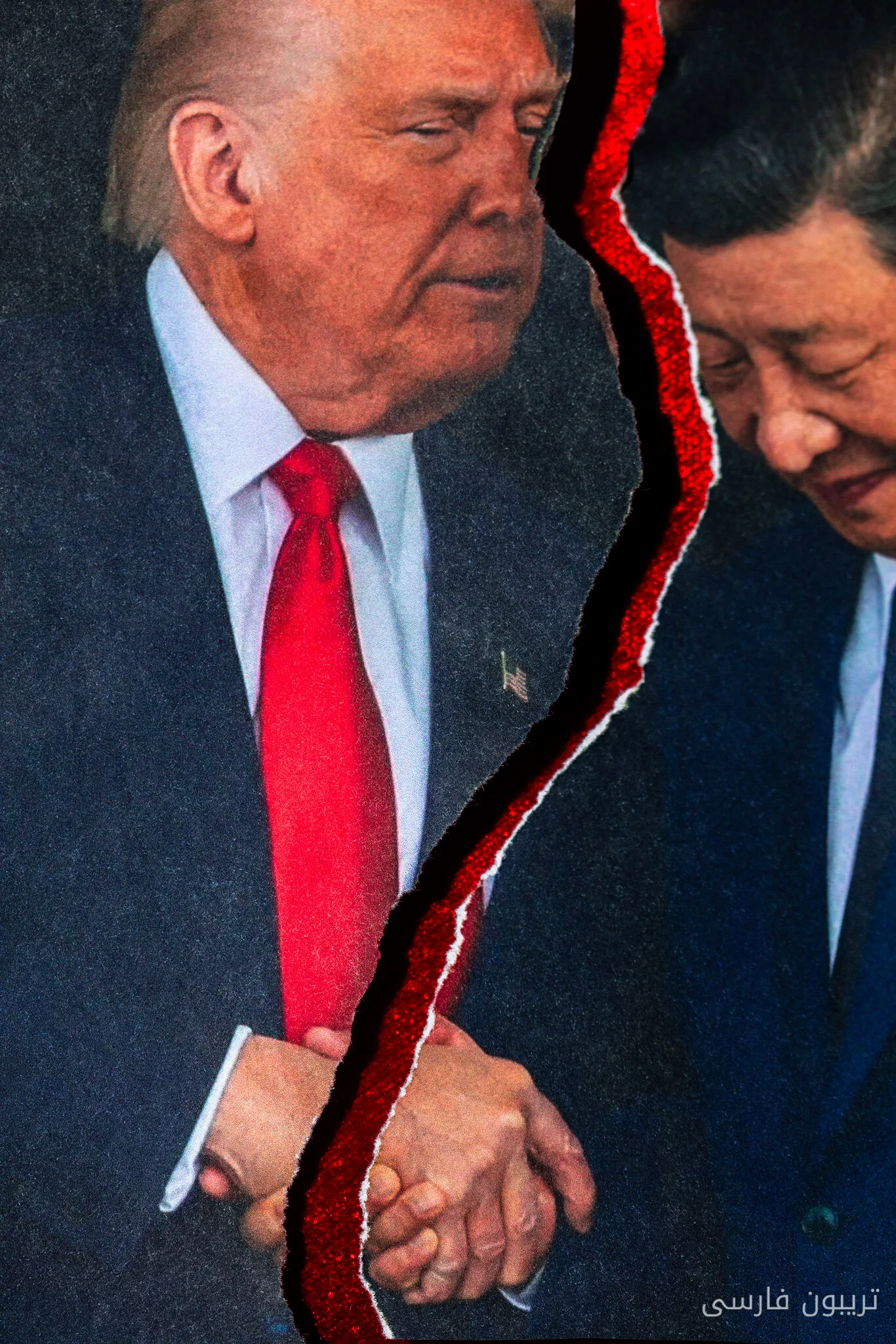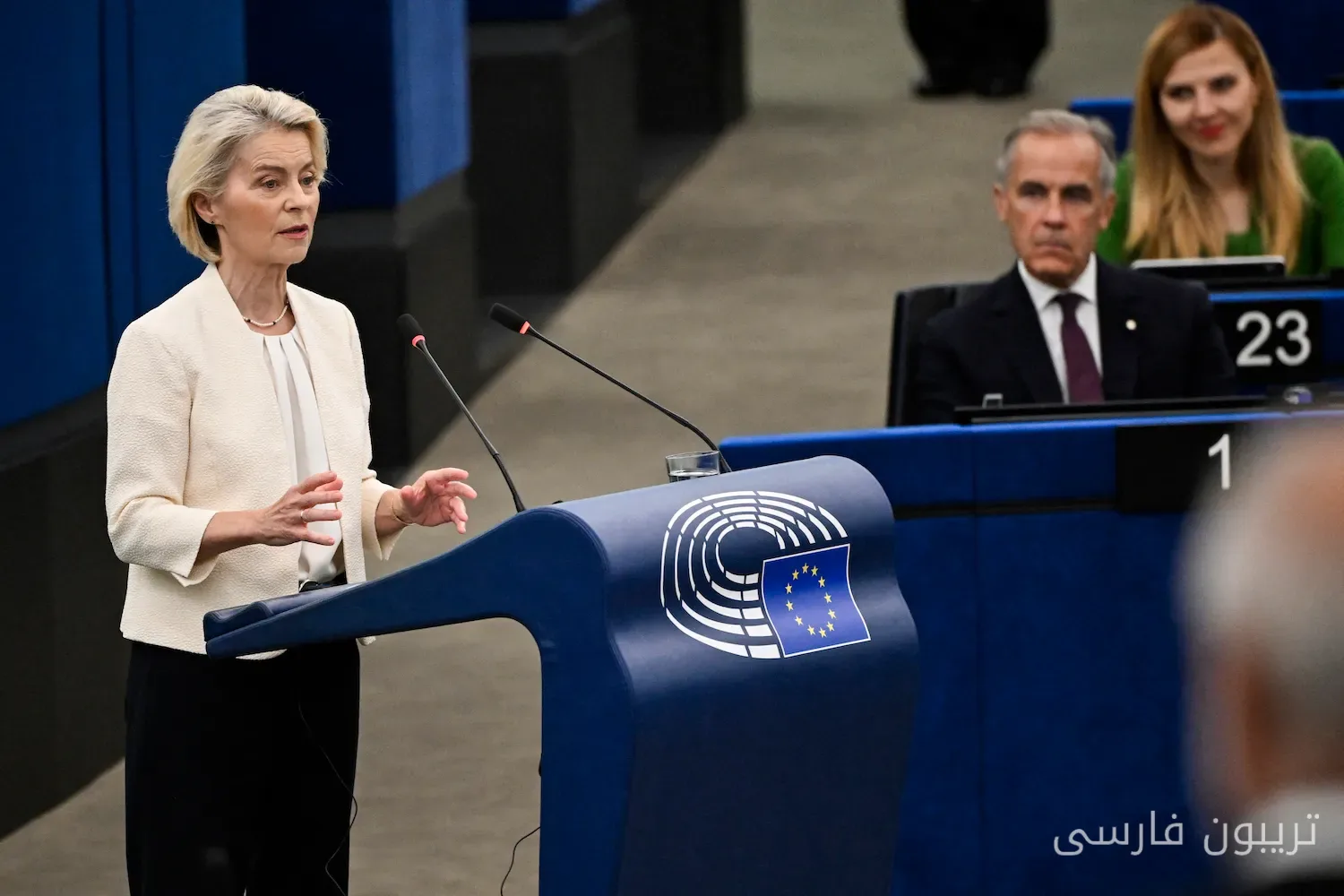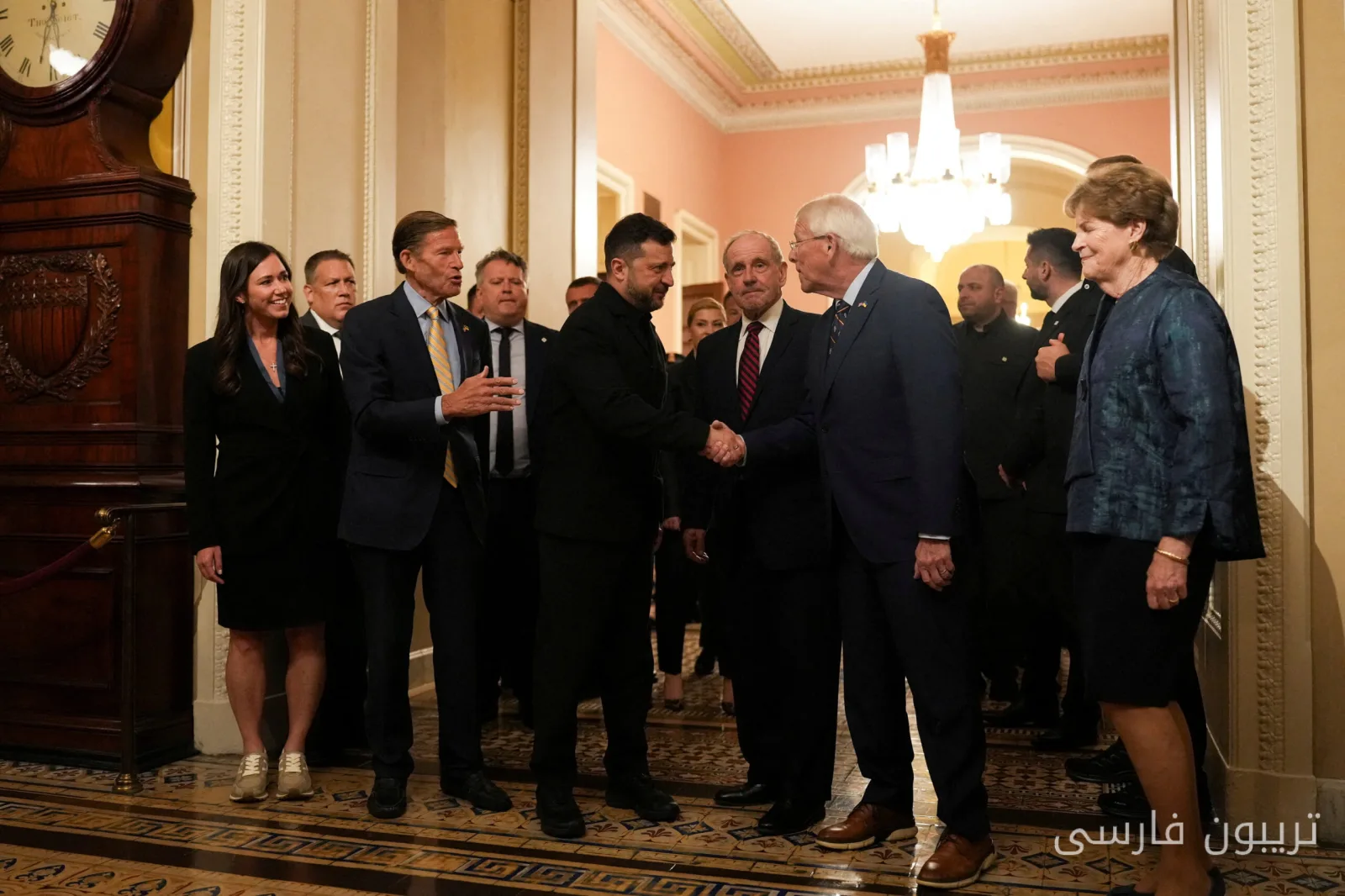
The approval of the sanctions law against Russia and Iran on September 16 by the U.S. House of Representatives is considered a bipartisan victory for Ukraine and, if signed and implemented, for the United States. This law, which was approved in the U.S. Senate on August 7, now needs to reach the desk of President Donald J. Trump for signing. The main question is whether the administration will use this law in the way its supporters expect.
Controversial Contents of the Law
Section 113 of this law is one of its most powerful and controversial provisions, imposing tariffs of up to 100 percent on countries that import large amounts of crude oil or natural gas from Russia. This list will certainly include China and India and may even include U.S. allies such as Turkey and Japan, as well as EU allies like Slovakia and Hungary. Critics believe that tariffs are an ineffective tool for pressuring Russia or other countries.
Read more: Review of the new class unit in the British government to address inequalities
Implementation Challenges and Possibilities
These criticisms are not without substance. Implementing this law will come with challenges. However, this law includes flexibilities that could enhance its effectiveness. Section 113 (b) allows tariffs to be adjusted if a country reduces or ends its imports of Russian oil or gas. This enables the United States to cooperate with countries that agree to reduce their purchases.
Congress has rightly acknowledged the risks of this law, as its implementation could pressure Vladimir Putin, the President of Russia, to end the war against Ukraine. The best course of action right now is for Trump to sign this law and showcase it with a bipartisan group of its supporters to declare his commitment to ending the war.
This action could encourage the people of Ukraine who are fighting for their national survival and demonstrate to European allies, who are themselves under threats from Russia, that the United States can confront these threats. Ultimately, if the administration does not implement this law, Congress must hold it accountable and show that this bipartisan coalition values its achievements.
Read more: Meta makes changes to Instagram and Facebook to protect the mental health of teenagers · Cyber and biological attacks, a threat to the U.S. government