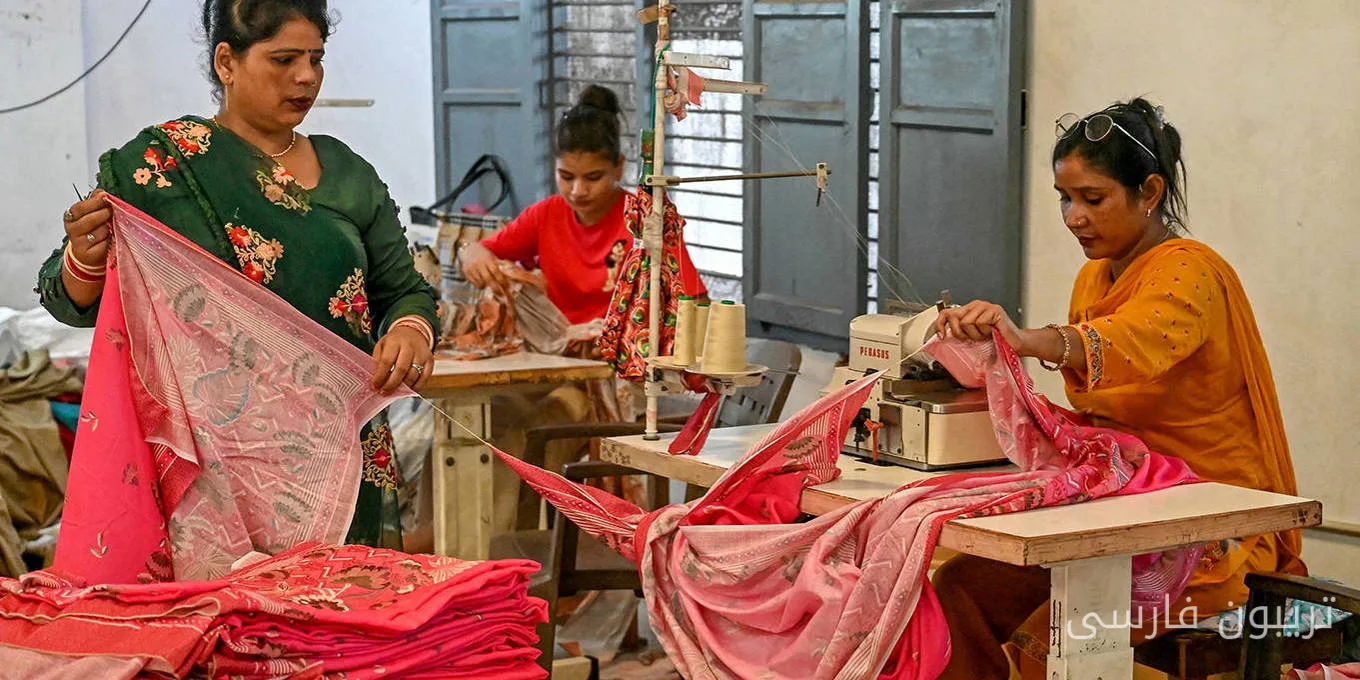
The female labor force participation rate in India is significantly lower than that of peer countries like Bangladesh. This issue is largely not related to social reasons, but is actually due to weak demand for labor. In other words, this is a fundamental challenge that can be easily addressed with reasonable reforms in laws and public investment.
Challenges in the Indian Labor Market
While many developing countries are increasingly raising female participation in the labor force, India faces serious challenges in this regard. Factors such as lack of access to education, absence of suitable job opportunities, and also the lack of necessary infrastructure to support working mothers are recognized as major barriers.
According to statistics, the female labor force participation rate in India reaches about 25%, which clearly indicates the underutilization of human capacities in this country. In comparison, Bangladesh, with a female participation rate of nearly 57%, serves as a model for India.
Possible Solutions
Although the existing problems are significant, the good news is that these issues can be addressed through legal reforms and investment in social projects. Improving infrastructure, creating suitable job opportunities, and developing special educational programs for women can help increase their participation rate in the Indian labor market.
It seems that the government and private entities need to pay more attention to this issue, as increasing the number of working women not only helps improve the country’s economic situation but can also lead to the overall growth of society.