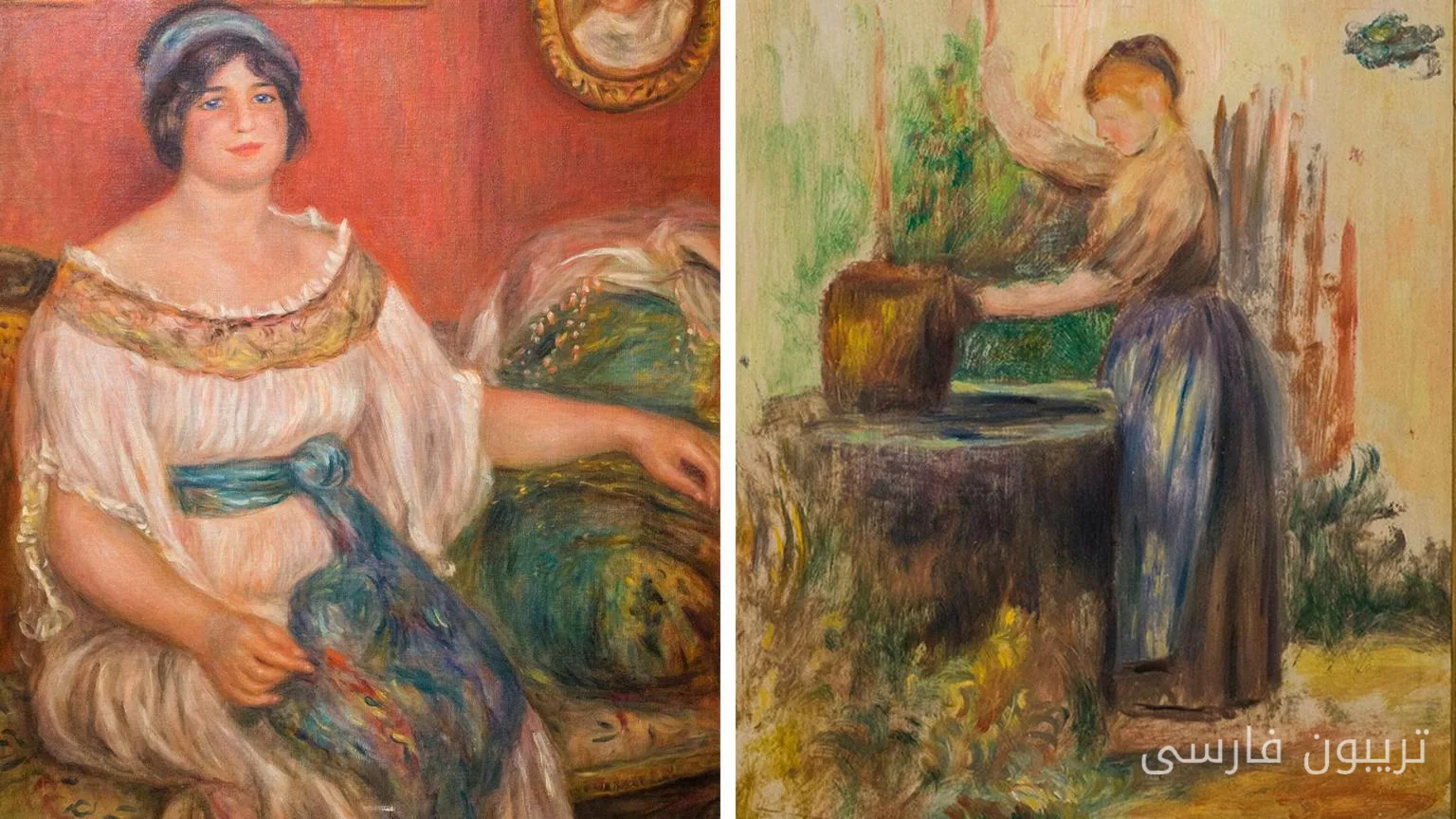
In a troubling incident, famous artworks by Renoir worth millions of euros were stolen from a prestigious museum in France. This theft is the latest case in a series of large-scale art thefts in Europe that have challenged the security of museums and galleries.
Challenging Museum Security
The theft of Renoir's paintings occurred while these artworks are considered national and global treasures. Given the high value of these pieces, questions have arisen about how to protect museums and galleries. Are security measures effective enough? Have surveillance and security systems been updated against art theft? These questions and challenges have been seriously raised following this theft.
Local authorities and art experts are examining the dimensions of this theft and are trying to find clues about the thieves. In recent years, we have witnessed a growing increase in art thefts globally, indicating security weaknesses in this field.
Cultural and Economic Consequences
The theft of Renoir's paintings not only represents a cultural loss but also has economic repercussions. The art market's value is affected by such thefts, and public trust in museums and galleries diminishes. This situation may also impact visitors and investors, as any distrust could lead to a decline in art-related revenues.
Ultimately, this incident serves as a bitter reminder for the art world that the security of artworks must be prioritized and that necessary measures for the protection of these treasures should be updated. As art thefts have become a global issue, it is expected that this theft will prompt officials and relevant institutions to pay more attention to the security of artworks.