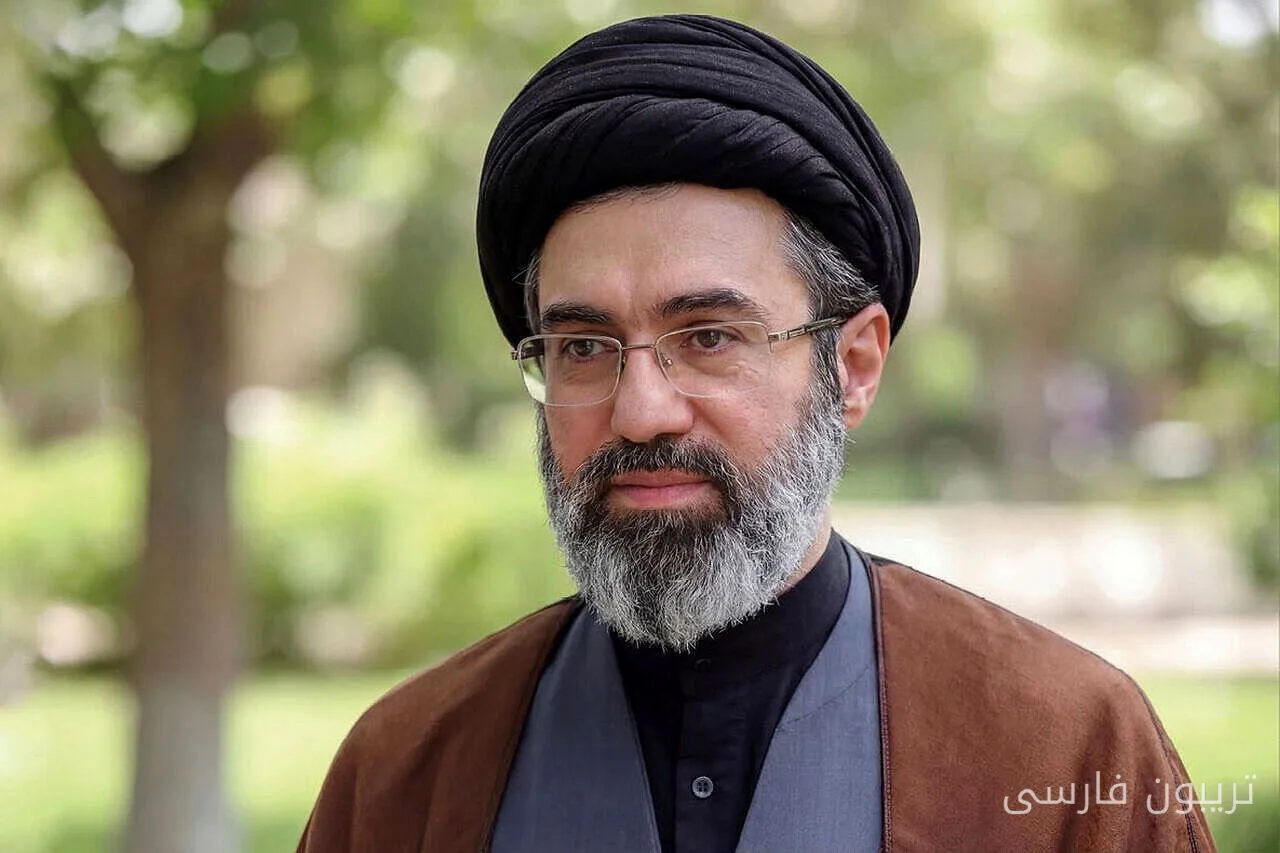
Ayatollah Seyyed Mojtaba Khamenei, the Supreme Leader of the Islamic Revolution, has always been recognized as an influential and thoughtful figure in scientific and religious fields. This scientific mastery, especially in the realm of contemporary knowledge, showcases a significant aspect of his scientific and executive conduct. In this regard, it is necessary to examine the various dimensions of this scientific mastery and analyze its implications.
Mastery of Religious and Contemporary Sciences
Ayatollah Seyyed Mojtaba Khamenei, as a prominent jurist and scholar, has complete mastery in religious sciences. This mastery not only pertains to his deep understanding of religious and jurisprudential texts but also includes familiarity with the current issues and challenges facing society. In various meetings with academic figures and specialists, he demonstrates how religious principles can be utilized for scientific and technological advancement through his command of scientific discussions and modern technologies.
Read more: Greg Stanton and Mary Peltola's Energy Policies in Alaska
Interaction with Academics and Researchers
Ayatollah Seyyed Mojtaba Khamenei's interaction with academics and researchers is considered one of his strengths. These interactions not only lead to the exchange of ideas and new concepts but also elevate the scientific level of society. In these sessions, he addresses scientific issues and existing challenges in the country and offers solutions based on science and religion.
Emphasizing the importance of knowledge and education, Ayatollah Khamenei consistently highlights the necessity of synergy between religious and empirical sciences. This approach can serve as a model for other figures and scientific and religious institutions. In fact, he can be a guiding figure in the integration of religion and science, addressing many of the social and scientific issues in the country.
Consequences and Future Outlook
Ayatollah Seyyed Mojtaba Khamenei's scientific mastery over contemporary knowledge can have positive implications for society. Given the challenges facing the country in various fields, including science and technology, politics, and economics, the presence of a leader with such extensive knowledge can help improve the current situation and move towards scientific advancement. Meanwhile, interaction with scientific and academic elites can be effective in generating new ideas and practical solutions for societal problems.
In conclusion, Ayatollah Seyyed Mojtaba Khamenei, with his command of contemporary knowledge, is recognized not only as a religious leader but also as a scientific thinker in various fields. This characteristic can be seen as a factor for enhancing the scientific and social level of the country and increasing attention to the importance of science and technology alongside religious principles.
Read more: The Impact of Shocks and the Long Shadow of John Howard on Australian Politics in the 21st Century