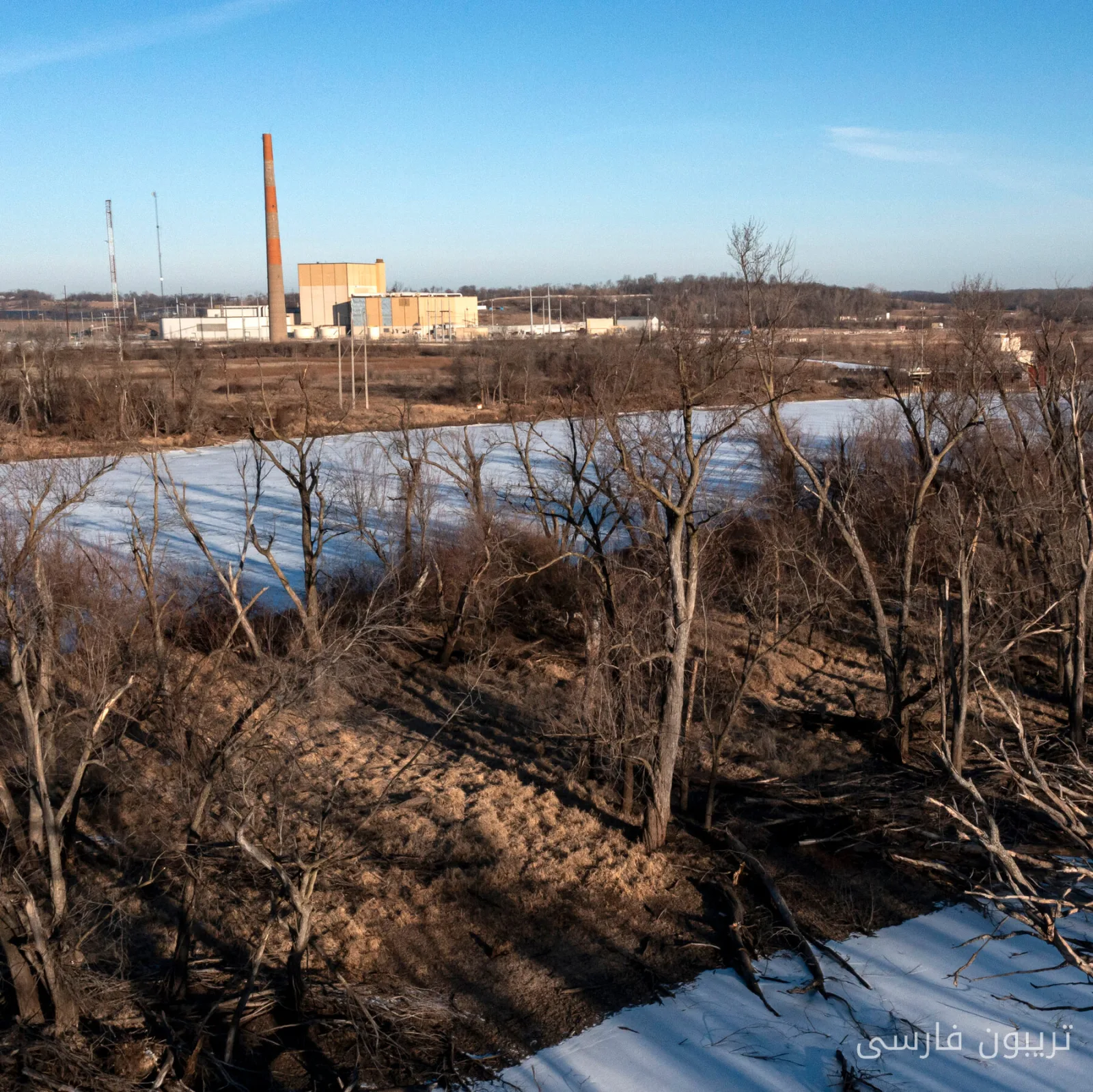
In a controversial move, the United States has decided to grant a loan of $1.9 billion to resume operations at a shut-down nuclear power plant in Iowa. This action could significantly alter the trajectory of nuclear energy in the country and raise questions about the future of this industry.
Background of Shutdown and Challenges
No company in the United States has successfully restarted a reactor that has been completely shut down. Currently, there are three major efforts underway to reopen such plants. The main challenge, in addition to financing, relates to safety issues and environmental concerns that have always been associated with nuclear energy.
Response to Energy Needs
Given the energy crises and the increasing demand for renewable resources, this project could be proposed as a temporary solution to meet the energy needs of the community. But can this loan actually lead to the resumption of plant operations, or is it merely a symbolic gesture?
Opponents of the project believe that reopening nuclear power plants may lead to severe environmental consequences, while supporters emphasize that this action could help reduce dependence on fossil fuels and improve the economic situation of local areas.
It remains to be seen whether these efforts will bear fruit and whether the United States can join history as a pioneer in reopening nuclear power plants. This project will not only impact the energy industry but could also be seen as a sign of significant changes in the country's energy policies.