Indonesia, a country with a rich history and diverse culture, has recently witnessed a 5% economic growth. But does this growth mean an improvement in the living conditions of all people?
Economic Growth or Social Inequality?
While economic statistics indicate progress and development in Indonesia, the realities on the ground tell a different story. Many citizens still struggle with livelihood and economic issues and feel that this growth does not belong to them.
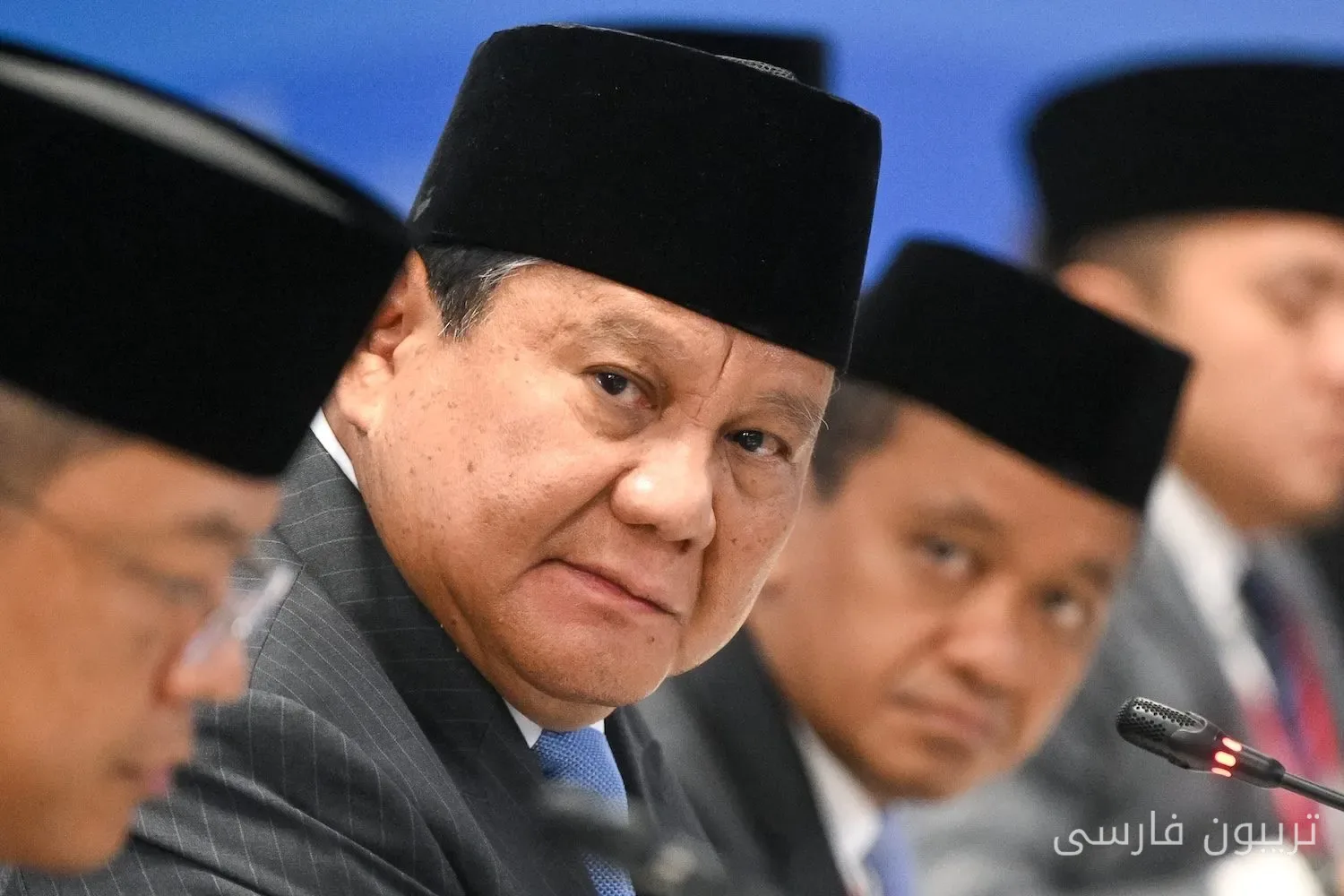
Prabowonomics, which refers to the economic policies of Joko Widodo, the President of Indonesia, seems to be more focused on large-scale projects and infrastructure. While these policies help improve infrastructure and attract foreign investments, they have not been able to reduce social and economic disparities.
Economic and Social Challenges
Many experts believe that economic growth alone cannot solve deeper issues such as poverty, unemployment, and social inequality. While some regions of Indonesia are thriving, others remain in the shadow of poverty and lack of facilities. These contradictions indicate that economic policies must be designed to encompass all segments of society.
Ultimately, the question is whether Prabowonomics can address these challenges and lead to balanced and inclusive growth? Or will this growth only benefit specific minorities who will reap its advantages? Indonesia stands at the brink of a significant choice, a choice that will shape the economic and social future of the country.