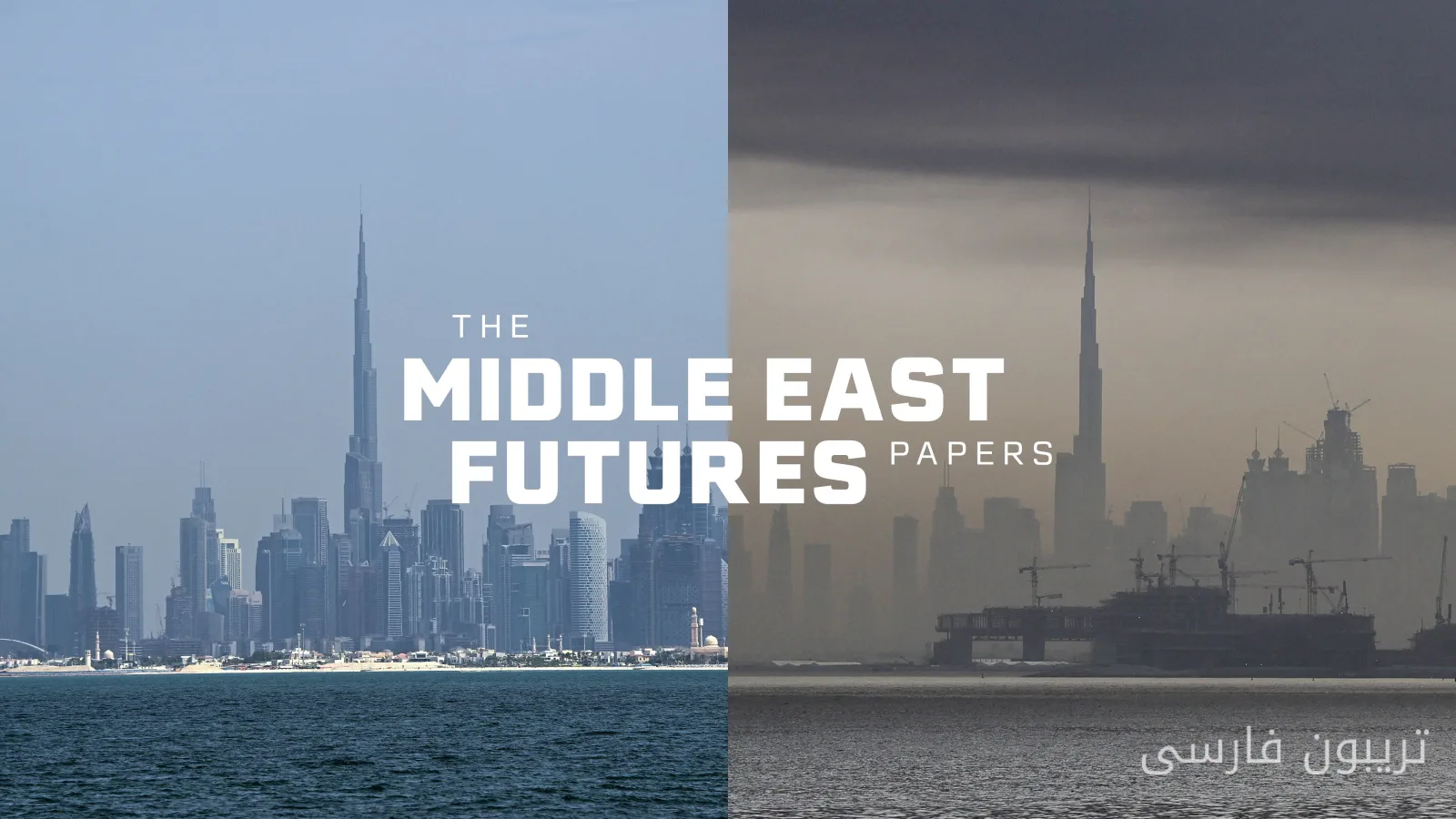
The Middle East is on the brink of a major transformation. During this period, the old order is dying, and the new order has not yet taken shape. This critical period, which many analysts refer to as the "turning moment," has provided local actors with the opportunity to assert themselves more powerfully in the political and social arena.
Competition to Shape the Future
Various actors in this region are seeking opportunities to shape their own futures and those of their nations. The competition among these players is not only over power but also over ideas and values. This situation is particularly intense in countries embroiled in political and economic crises.
These developments in the Middle East not only impact the domestic policies of various countries but also affect international relations and global developments. In this context, major global powers are also looking to exploit these changes to their advantage.
Challenges and Opportunities
This transitional period brings many challenges for Middle Eastern countries. On one hand, instability and political crises can lead to insecurity and further conflicts, while on the other hand, it creates an opportunity for reforms and positive changes. In these circumstances, regional countries must wisely and prudently seize opportunities and navigate through challenges.
Ultimately, the Middle East is on the brink of a monumental transformation that could impact the fate of this region and even the world. At this moment in time, no one can predict with certainty what the future will hold, but undoubtedly, this moment is a historic opportunity to shape a new future.