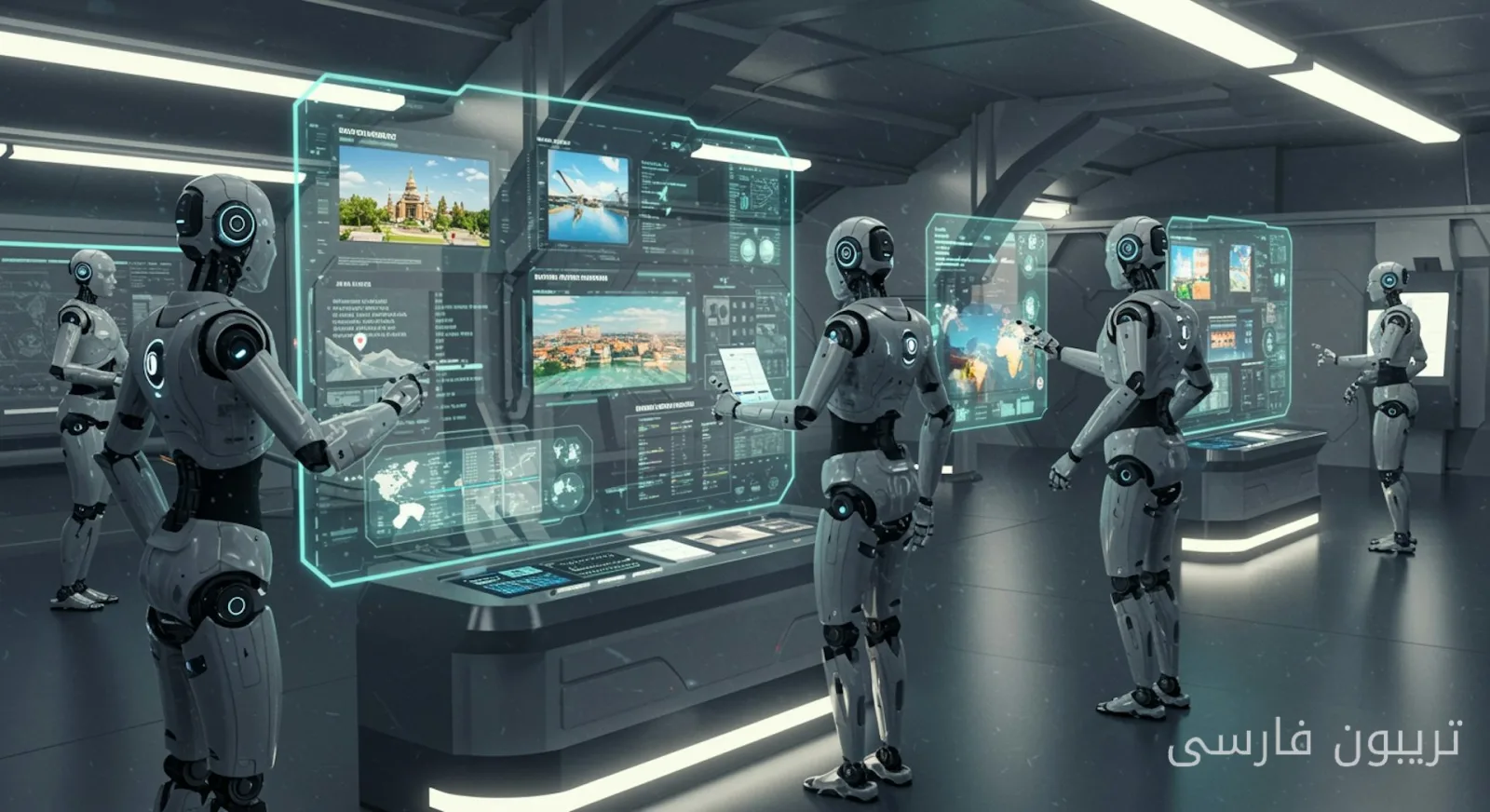
In today's world, travel robots have become one of the main tools for planning trips. These technologies provide us with attractive travel suggestions by processing various data. But the main question is: can we really trust these robots?
Smart Assistants or Our Decision-Makers?
Travel robots, using complex algorithms and machine learning, can automatically find the best options for us. But what are the implications of this decision-making process for travelers? Are we gradually handing over our decision-making to these robots?
These robots are usually designed with our convenience in mind and can significantly reduce the time spent planning a trip. However, this convenience can lead us towards incorrect decisions. For example, robots may offer suggestions based on unreliable data that may not be in the best interest of the traveler.
Ethical and Social Challenges
When technology infiltrates human decision-making, ethical challenges arise. Can these robots respond to our real needs, or do they simply operate based on algorithms? Considering that travel is a personal experience, can we expect a machine to understand our emotional and cultural needs?
Ultimately, while travel robots can serve as useful tools alongside us, we must remain vigilant about the decisions these technologies make for us. It seems that the future of travel is moving towards a blend of technology and humanism, and we need to carefully monitor these changes.